
Building a successful business website starts long before design or coding begins. Many businesses rush into website development without proper planning, which often leads to poor performance, wasted budget, delays, and low conversions.
A well-planned website helps you create a stronger user experience, improve SEO, generate leads, and support long-term business growth.
In this guide, we’ll cover the complete strategy for planning a business website before development in 2026.
Why Website Planning Matters
A website is not just an online brochure, it is a business tool designed to attract visitors, build trust, and generate sales.
Without proper planning, businesses often face:
- Poor website structure
- Low conversion rates
- Weak SEO performance
- Delayed launches
- Higher redesign costs
Related:
Why Most Business Websites Don’t Convert (And How to Fix It)
Planning your website properly helps avoid costly mistakes later.
How to Plan a Business Website
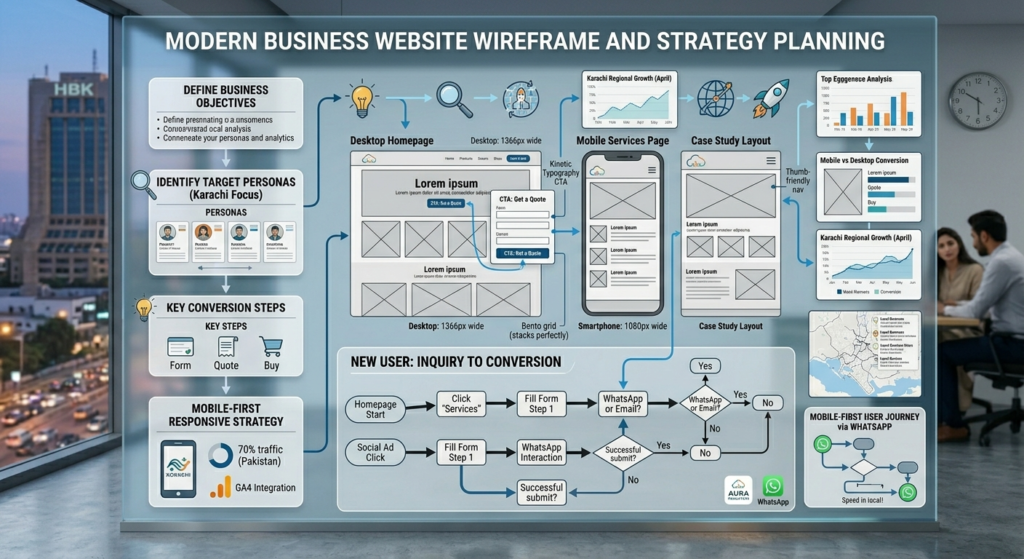
Step 1: Define Your Website Goals
Before building anything, ask yourself:
What is the purpose of your website?
Common business goals include:
- Generating leads
- Selling products online
- Building brand awareness
- Showcasing services
- Booking appointments
For example:
A local service company may focus on lead generation, while an online store focuses on sales.
Learn more:
Website Development for Lead Generation: Best Practices
Step 2: Understand Your Target Audience
Your website should be built for your customers, not just for your business.
Ask questions like:
- Who are your ideal customers?
- What problems do they have?
- What information are they searching for?
- Which devices do they use most?
Understanding user behavior improves both UX and conversions.
Companies like Amazon invest heavily in customer behavior analysis to improve user experience.
Step 3: Plan Your Website Structure
Website structure (sitemap) determines how pages connect.
A business website may include:
- Home
- About Us
- Services
- Portfolio
- Blog
- Contact Page
A clear structure improves navigation and SEO.
Related:
How to Optimize Website Navigation for Better User Experience
Step 4: Choose the Right Website Platform
Your platform affects flexibility, performance, and scalability.
Popular options include:
- WordPress → Best for flexibility and SEO
- Shopify → Best for e-commerce
- Wix → Suitable for simple websites
- Custom Development → Best for advanced functionality
Compare options:
CMS Comparison: WordPress, Shopify, Wix, and Custom Solutions
Step 5: Plan Website Features
Before development starts, list required features.
Examples:
For Business Websites:
- Contact forms
- Service pages
- Live chat
- Testimonials
- Booking systems
For E-commerce:
- Shopping cart
- Payment gateway
- Product filters
- Wishlist
Related:
E-commerce Website Development: Key Features That Convert
Step 6: Plan for SEO From Day One
SEO should never be an afterthought.
Before development begins:
- Research keywords
- Plan content structure
- Optimize URLs
- Create internal linking strategy
SEO planning helps your website rank faster after launch.
Learn more:
SEO-Friendly Website Design: Best Practices for Higher Rankings
Also explore:
On-Page SEO Checklist for Business Websites (2026)
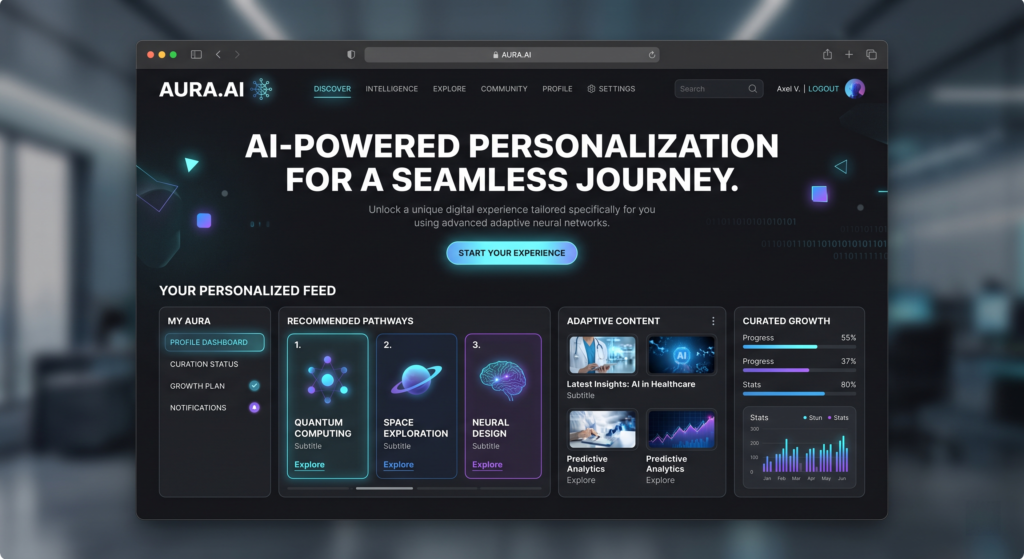
Step 7: Create a Content Plan
Your content directly affects conversions and rankings.
Plan:
- Homepage messaging
- Service descriptions
- Blog strategy
- FAQs
- CTAs (Calls-to-Action)
Strong content helps visitors trust your business.
Related:
How to Create a High-Converting Business Homepage (2026 Guide)
Step 8: Focus on Mobile Experience
Most users browse on mobile devices.
Your website should be:
- Responsive
- Fast-loading
- Easy to navigate
Mobile-first planning is essential in 2026.
Learn more:
Mobile-First Website Design: Why It’s Critical in 2026
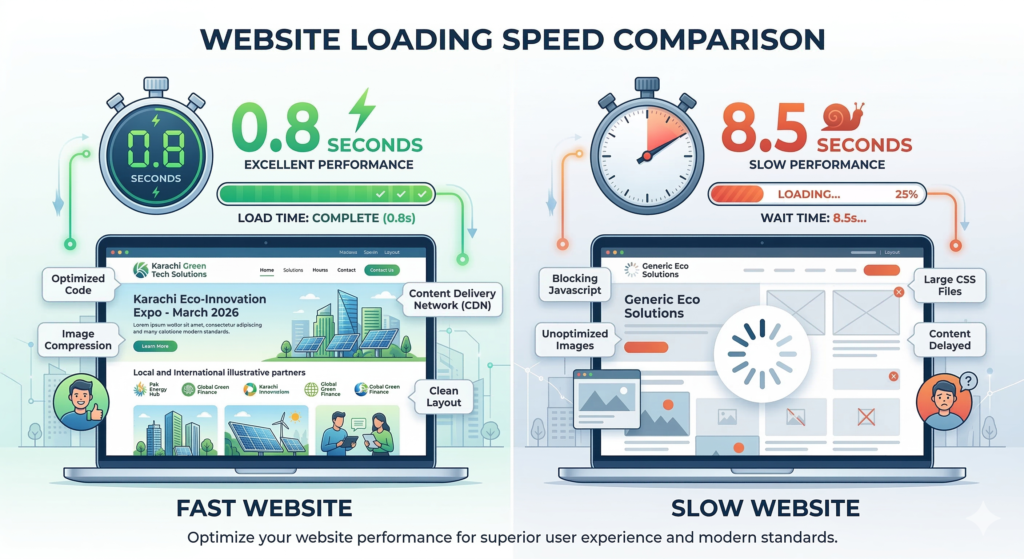
Step 9: Plan Website Speed & Performance
Fast websites improve:
- User experience
- SEO rankings
- Conversion rates
Before development:
- Optimize image strategy
- Choose fast hosting
- Minimize unnecessary features
Related:
How Website Speed Impacts SEO & Conversions
Test website performance here:
https://pagespeed.web.dev/
Step 10: Define Budget & Timeline
Planning budget early prevents surprises later.
Costs vary based on:
- Website complexity
- Features
- Design quality
- Platform choice
Learn more:
Website Development Cost in Pakistan & UAE (2026 Guide)
You should also understand:
Website Development Timeline: How Long Does It Take to Build a Business Website?
Step 11: Choose the Right Website Development Partner
The success of your project often depends on your development team.
Look for:
- Portfolio quality
- Experience
- Communication
- SEO understanding
- Ongoing support
Read:
How to Choose a Website Development Company
Also explore:
Website Development Services for Businesses: Complete Guide
Step 12: Plan for Long-Term Maintenance
Your website will need regular updates after launch.
This includes:
- Security updates
- Performance optimization
- Content updates
Learn more:
Website Maintenance Guide: Why Your Business Website Needs Ongoing Support
External Resources
- Website Planning Best Practices: https://www.smashingmagazine.com/
- UX Research & Website Strategy: https://www.nngroup.com/articles/
- SEO Starter Guide: https://developers.google.com/search/docs/fundamentals/seo-starter-guide
Conclusion
Planning a business website before development is one of the smartest investments a company can make. A clear strategy helps improve user experience, SEO, performance, and conversions while preventing costly mistakes.
In 2026, businesses that plan first and build strategically will consistently outperform competitors online.
Remember: Great websites are planned, not rushed.
Internal Link: Need expert help? Explore:
Website Services for Small Businesses
FAQs
Why is website planning important before development?
Planning helps businesses avoid mistakes, improve SEO, and create a better user experience.
What should a business website include?
A business website should include service pages, contact information, trust elements, CTAs, and optimized content.
How long does website planning take?
Planning usually takes a few days to a few weeks depending on website complexity.
Should SEO be planned before website development?
Yes, SEO should be integrated from the beginning for better rankings and performance.