
In 2026, mobile devices dominate internet usage. Studies show that over 60% of web traffic comes from mobile, making mobile-first design no longer optional—it’s essential for business success.
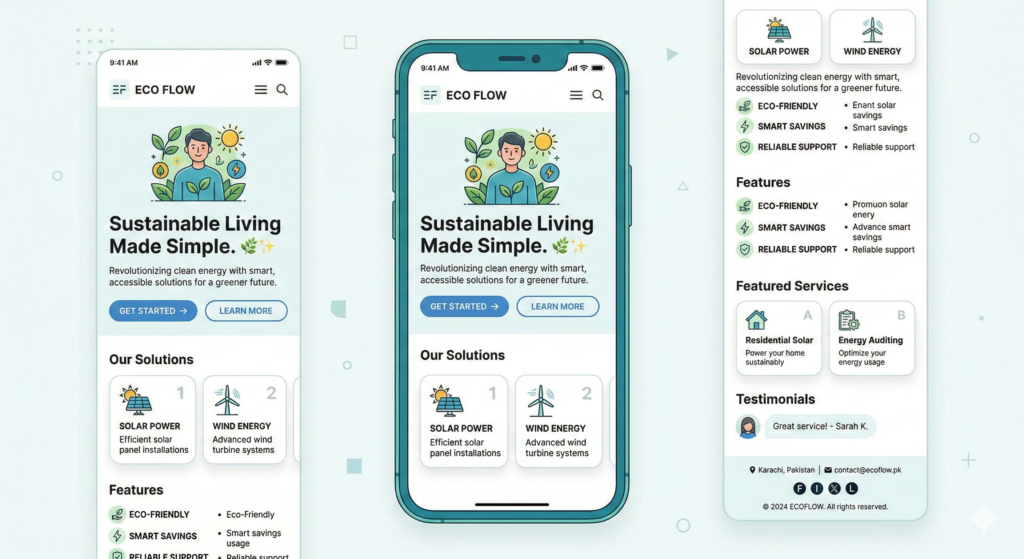
Mobile-first website design means designing your website primarily for mobile devices and then scaling it up for desktops. This approach ensures the best user experience (UX), faster load times, and better SEO performance.
If your website isn’t mobile-optimized, you risk losing visitors, leads, and conversions.
What is Mobile-First Website Design?
Mobile-first design is a strategy where the primary focus is on the mobile experience. Designers prioritize:
- Simplified navigation
- Readable fonts
- Optimized images
- Touch-friendly buttons
After the mobile layout is perfect, the design scales for tablets and desktops, ensuring consistency across all devices.
Internal Link Suggestion: Link to your Website Development Services for Businesses: Complete Guide to show professional design options.
Why Mobile-First Design Matters in 2026
Better User Experience
Mobile users expect fast, intuitive, and easy-to-navigate websites. Mobile-first design ensures:
- Easy scrolling
- Accessible menus
- Quick load times
- Optimized forms for touch input
A poor mobile experience drives users away, decreasing conversions.
Boosts SEO Rankings
Google uses mobile-first indexing, meaning your mobile site is the primary version used for ranking. A site that isn’t optimized for mobile may suffer in search rankings.
External Link Suggestion: Learn more about Google’s mobile-first indexing from Google Search Central.
Faster Loading Speeds
Mobile-first design prioritizes lightweight images, optimized scripts, and efficient code. Faster websites reduce bounce rates and improve user engagement.
Key Principles of Mobile-First Website Design
1. Responsive Layouts
A responsive design adapts to any screen size. Every element—text, images, and buttons—must scale appropriately.
2. Clear Call-to-Action (CTA)
Mobile users scroll quickly. Place prominent CTAs above the fold to capture leads immediately.
3. Optimized Visuals
Compress images without losing quality. Avoid heavy graphics that slow down page speed.
4. Simplified Navigation
Menus should be intuitive, with dropdowns or hamburger menus for easy mobile use.
5. Touch-Friendly Elements
Buttons, forms, and interactive features must be large enough to tap easily without mistakes.
Benefits for Businesses
- Higher user engagement and lower bounce rates
- Improved SEO and organic traffic
- Increased conversions and leads
- Better brand reputation and trust
- Competitive advantage over non-mobile-optimized websites
Internal Link Suggestion: You can cross-link First Impression Matters: Website Design for Businesses (2026) to emphasize how mobile-first design improves initial user perception.
5. Common Mobile Design Mistakes to Avoid
- Tiny fonts or unclickable buttons
- Heavy images or slow-loading pages
- Pop-ups that cover the screen
- Overcrowded layouts
- Ignoring testing across devices
Internal Link Suggestion: Link to Common Website Design Mistakes That Hurt SEO in 2026 for more details.
6. Tools & Best Practices for Mobile-First Design
- Responsive frameworks: Bootstrap, Foundation
- Testing tools: Google Mobile-Friendly Test, BrowserStack
- Speed optimization: Compress images, use lazy loading, minimize scripts
Internal Link Suggestion: Highlight your Website Design Service Page for businesses needing expert mobile-first designs.
External Link Suggestions:
FAQs About Mobile-First Website Design
Is mobile-first design the same as responsive design?
Mobile-first is a design strategy focused on mobile first, while responsive design ensures the website adapts to all screen sizes. They often work together.
How does mobile-first design affect SEO?
Google prioritizes mobile-friendly sites in search rankings. A mobile-optimized website improves SEO performance.
Do all businesses need a mobile-first website?
Yes. Even B2B companies benefit from mobile-first design as users increasingly access sites from mobile devices.
How long does it take to implement mobile-first design?
It depends on complexity, but most professional websites take 3–6 weeks for full mobile optimization and testing.
Conclusion
In 2026, mobile-first website design is critical for business growth. It enhances user experience, boosts SEO, and increases conversions. Businesses that ignore mobile optimization risk losing traffic, leads, and credibility.
Professional website development ensures your site is fast, responsive, and mobile-friendly—giving you a competitive edge in today’s digital-first world.