
One of the most common questions businesses ask is: “How long does it take to build a website?”
The answer isn’t one-size-fits-all. A website can take anywhere from 2 weeks to 4 months (or more) depending on its complexity, features, and planning.
Understanding the website development timeline helps businesses set realistic expectations, plan budgets, and avoid delays.
In this guide, we’ll break down each stage of the website development process and how long it typically takes in 2026.
Average Website Development Timeline
Here’s a general breakdown:
- Simple website → 2–4 weeks
- Business website → 4–8 weeks
- Custom or e-commerce website → 8–16+ weeks
For full planning, read:
Complete Website Development Guide for Businesses (2026): Design, Development, SEO & Cost

Stage 1: Planning & Research (3–7 Days)
This is the foundation of your website.
It includes:
- Defining business goals
- Identifying target audience
- Competitor research
- Website structure planning
Skipping this stage often leads to delays later.
Related:
How to Choose a Website Development Company
Stage 2: Wireframing & Design (1–2 Weeks)
In this stage, designers create the layout and structure of your website.
This includes:
- Wireframes (basic layout)
- UI/UX design
- Homepage and inner pages
A strong design ensures better user experience and conversions.
Learn more:
First Impression Matters: Website Design for Businesses (2026)
Stage 3: Development (2–6 Weeks)
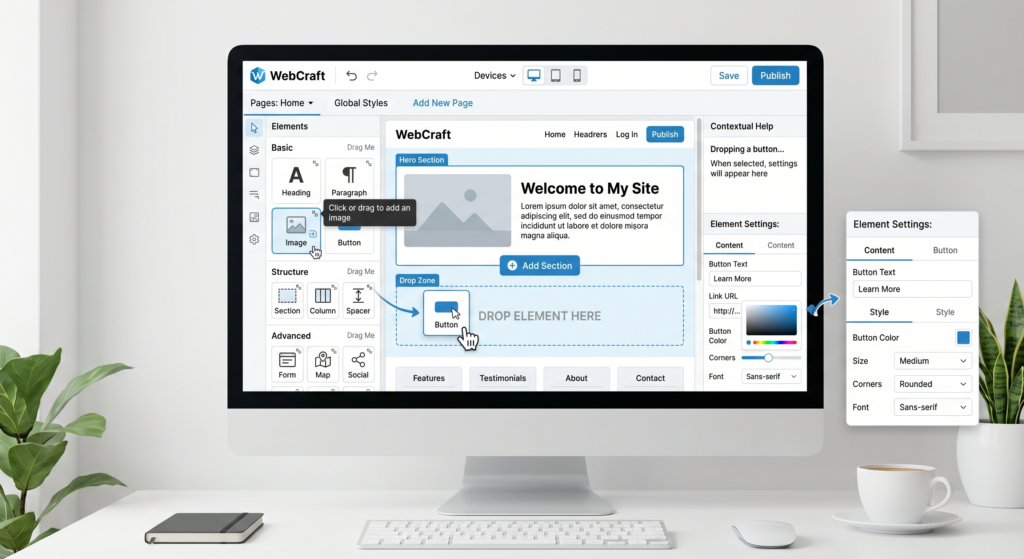
This is where the website is actually built.
Developers:
- Write code
- Build frontend and backend
- Integrate features
- Set up CMS (like WordPress or custom solutions)
The timeline depends on complexity and features.
Compare platforms:
CMS Comparison: WordPress, Shopify, Wix, and Custom Solutions
Stage 4: Content Creation (1–2 Weeks)
Content is critical for both SEO and conversions.
This includes:
- Website copywriting
- Images and graphics
- Product/service descriptions
Improve content strategy:
Website Development for Lead Generation: Best Practices
Stage 5: Testing & Optimization (3–7 Days)
Before launch, your website must be tested.
This includes:
- Bug fixing
- Speed optimization
- Mobile responsiveness
- Browser compatibility
Optimize performance:
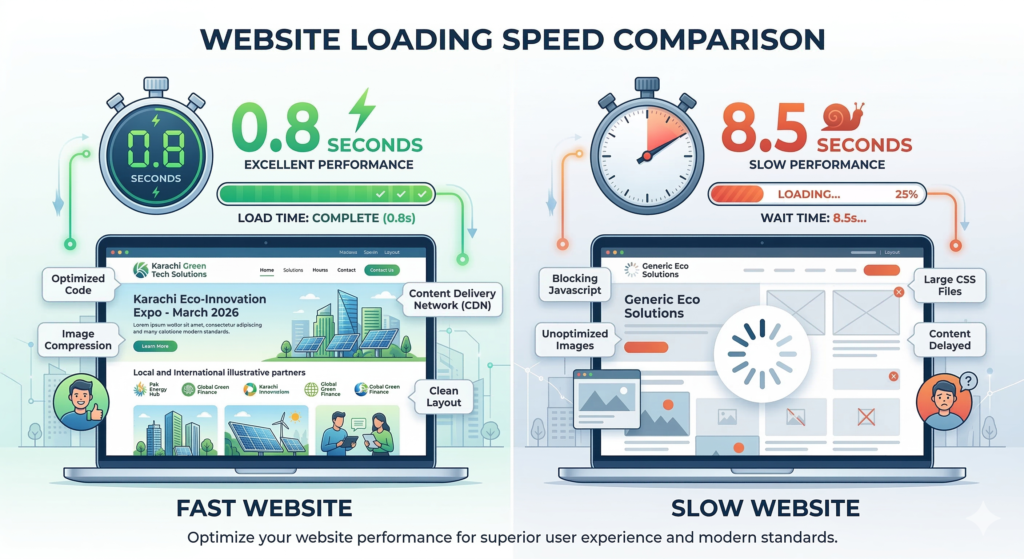
How Website Speed Impacts SEO & Conversions
You can also test your site here:
https://pagespeed.web.dev/
Stage 6: Launch (1–2 Days)
Once everything is ready, your website goes live.
This includes:
- Domain setup
- Hosting configuration
- Final checks
After launch, continuous monitoring is important.
Stage 7: Maintenance & Updates (Ongoing)
Website development doesn’t end after launch.
Ongoing maintenance includes:
- Security updates
- Performance monitoring
- Content updates
Learn more:
Website Maintenance Guide: Why Your Business Website Needs Ongoing Support
Factors That Affect Website Development Time
1. Website Complexity
Simple websites are faster, while custom or e-commerce sites take longer.
Related:
E-commerce Website Development: Key Features That Convert
2. Design Requirements
Custom designs take more time than templates.
3. Number of Pages
More pages = more design and development time.
4. Content Availability
Delays often happen when content is not ready.
5. Features & Functionality
Advanced features like booking systems, payment gateways, or dashboards increase timeline.
6. Revisions & Feedback
Frequent changes can extend the timeline.
How to Speed Up Website Development
To avoid delays:
- Prepare content in advance
- Choose the right platform
- Work with experienced developers
- Avoid unnecessary revisions
Learn more:
Website Development Services for Businesses: Complete Guide
Realistic Expectations for Businesses
Businesses should avoid expecting a high-quality website in just a few days.
A properly built website takes time because it includes:
- Strategy
- Design
- Development
- Optimization
Companies like Shopify and Wix offer faster solutions, but custom websites still require proper planning and execution.
External Resources
- Website Planning Guide: https://www.smashingmagazine.com/
- Web Performance Optimization: https://web.dev/
- UX Design Principles: https://www.nngroup.com/articles/
Conclusion
The timeline for building a business website depends on multiple factors, including complexity, design, and features. While simple websites can be completed quickly, high-quality business websites require proper planning and execution.
In 2026, businesses should focus on quality over speed to ensure their website delivers results, generates leads, and supports long-term growth.
Explore your service page:
Website Development Services for Businesses
FAQs
How long does it take to build a business website?
It typically takes 4–8 weeks for a standard business website, depending on complexity.
Can a website be built in one week?
Yes, but only for very basic websites. High-quality business websites require more time.
What is the longest stage in website development?
Development and design usually take the most time, especially for custom websites.
How can I speed up the website development process?
You can speed it up by preparing content early, choosing the right platform, and minimizing revisions.