Top Website Design Trends
Website design in 2026 is no longer just about aesthetics, it’s about performance, personalization, and user experience. Businesses that fail to adapt to modern trends risk losing traffic, leads, and credibility.
Today’s users expect websites to be fast, interactive, and tailored to their needs. This guide covers the top website design trends that every business must follow to stay competitive in 2026.
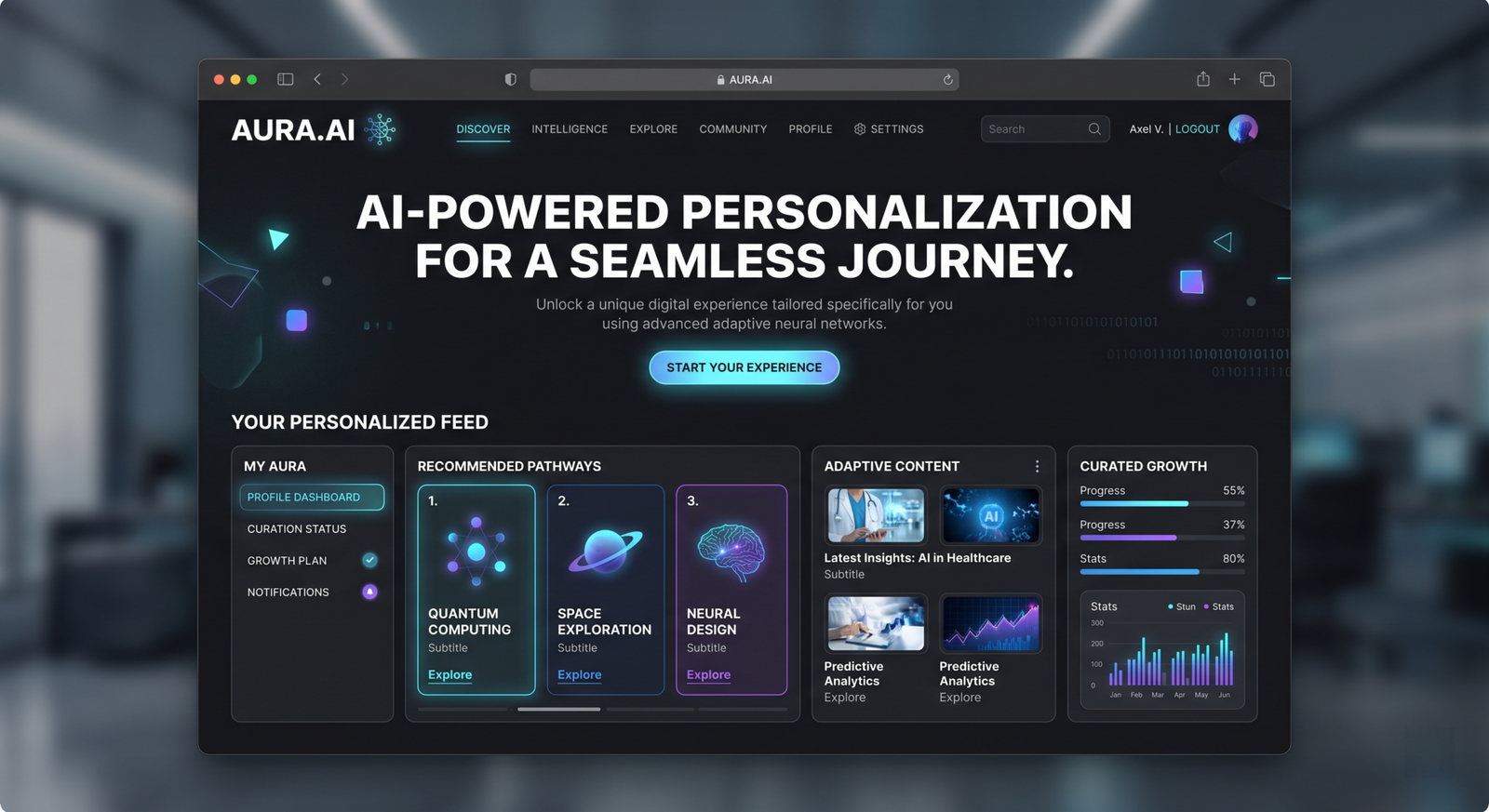
AI-Powered Personalization
One of the biggest trends in 2026 is AI-driven personalization. Websites now adapt content based on:
- User behavior
- Location
- Preferences
For example, returning visitors may see different content than first-time users. This improves engagement and conversions significantly.
Learn more about personalization:
https://www.nngroup.com/articles/personalization-ux/
Related topic:
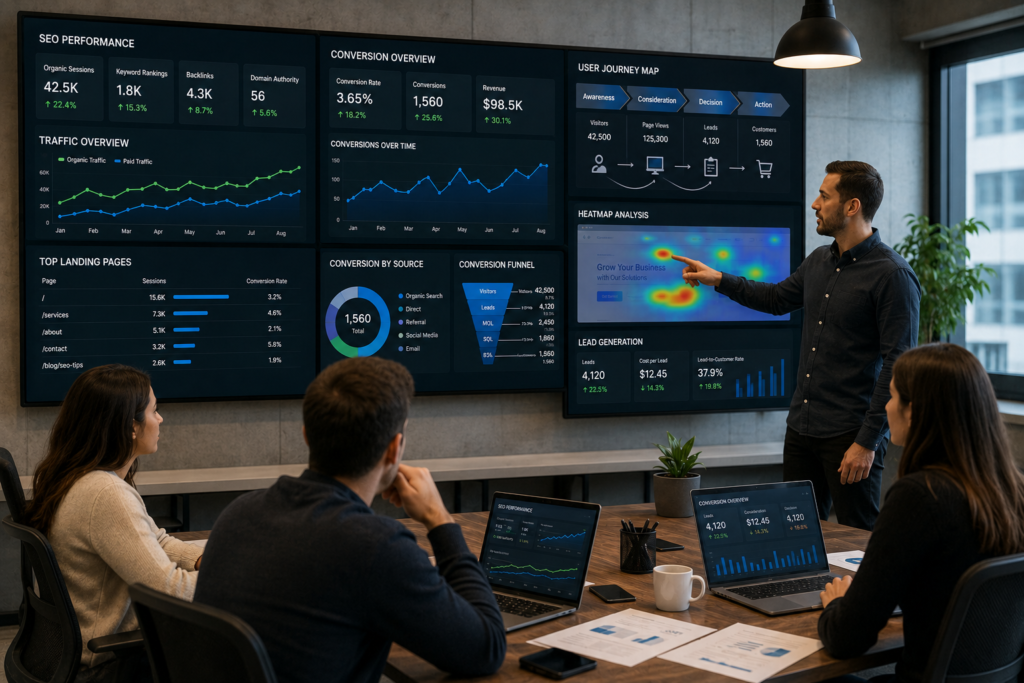
Performance-First Design
Speed is now a design priority not just a technical feature.
Modern websites are built to:
- Load instantly
- Perform smoothly on mobile
- Reduce bounce rates
Google also ranks faster websites higher in search results.
Google emphasizes performance as a ranking factor:
https://web.dev/vitals/
Also read:
Minimalism with Depth
Minimal design is evolving. Instead of flat layouts, websites now use:
- Subtle shadows
- Layered sections
- Clean UI with depth
This creates a premium feel without overwhelming users.
Related:
Mobile-First Design (Still Critical)
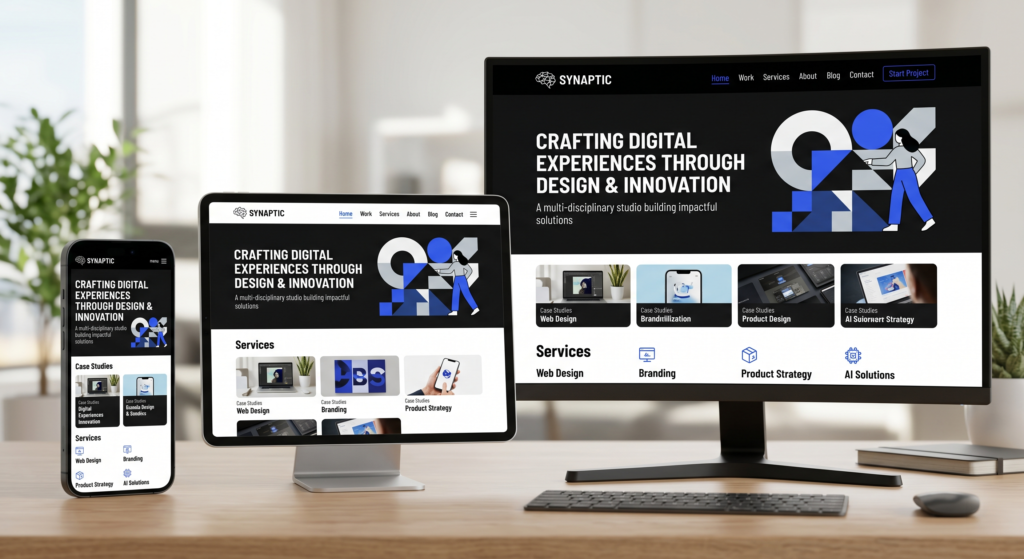
Mobile traffic dominates the internet, making mobile-first design essential.
Key elements:
- Responsive layouts
- Touch-friendly buttons
- Vertical scrolling
Businesses that ignore mobile optimization lose a large portion of users. Google mobile-first indexing guide:
https://developers.google.com/search/mobile-sites/mobile-first-indexing
Also read:
Conversational Interfaces & Chatbots
Websites are becoming more interactive with:
- AI chatbots
- Voice search
- Conversational UI
These features help guide users and improve customer experience.
Micro-Interactions & Animations
Small animations make websites feel more engaging.
Examples:
- Hover effects
- Button animations
- Scroll-based transitions
Learn UX micro-interactions:
https://www.interaction-design.org/literature/topics/microinteractions
Dark Mode & Adaptive Themes
Dark mode is becoming a standard feature.
Benefits:
- Better user experience at night
- Reduced eye strain
- Modern look
Many websites now automatically adjust themes based on user preference.
Bold Typography & Visual Hierarchy
Typography is no longer just text it’s a design element.
Trends include:
- Large headlines
- Strong font contrast
- Clear hierarchy
This improves readability and grabs attention quickly.
Human-Centered & Trust-Focused Design
In 2026, trust is a major factor in design.
Businesses are focusing on:
- Real images instead of stock photos
- Clear messaging
- Simple layouts
This builds credibility and encourages users to take action.
Accessibility-First Design
Websites must be usable for everyone, including people with disabilities.
This includes:
- Proper contrast
- Screen reader compatibility
- Keyboard navigation
Accessibility guidelines:
https://www.w3.org/WAI/fundamentals/accessibility-intro/
Related topic:
Scroll-Based Storytelling
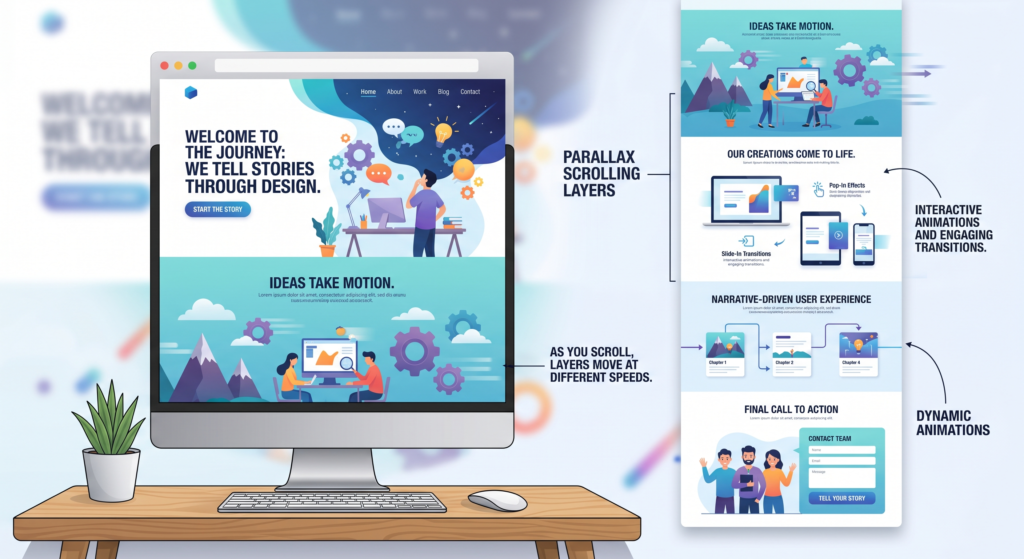
Modern websites use scrolling as a storytelling tool.
Features include:
- Parallax effects
- Section transitions
- Interactive storytelling
This keeps users engaged longer and improves conversions.
Hyper-Personalized User Experience
Beyond basic personalization, websites now:
- Recommend content
- Adjust CTAs dynamically
- Customize user journeys
This creates a tailored experience for each visitor.
Sustainable & Lightweight Design
Eco-friendly web design is gaining importance.
Focus areas:
- Reduced code
- Optimized images
- Lower energy usage
Faster, lighter websites are better for both users and the environment.
Integrated Business Functionality
Modern websites are more than just informational, they’re business tools.
They include:
- CRM integration
- Booking systems
- Payment gateways
This turns your website into a complete business solution.
Custom Design Over Templates
While templates are still used, businesses are moving toward custom designs to stand out.
Custom websites offer:
- Unique branding
- Better performance
- Higher conversions
Related reading:
- Custom Website vs WordPress: Which Is Better for Business Growth?
- WordPress vs Custom Website: Which One Should You Choose?
AI-Assisted Website Creation
AI tools are transforming how websites are built.
They help with:
- Layout generation
- Content suggestions
- UX improvements
Learn more about AI in web design:
https://www.ibm.com/topics/artificial-intelligence
Emotion-Driven Design
Modern websites focus on how users feel, not just how they look.
Design now aims to:
- Reduce cognitive load
- Build emotional connection
- Improve trust
This leads to better engagement and conversions.
Work with Professionals for Modern Design
Following trends is important, but implementing them correctly is critical.
A professional team ensures:
- Strategic design
- SEO optimization
- High conversions
Explore your service page:
Website Development Services for Businesses
Also read:
Conclusion
Website design trends in 2026 are focused on speed, personalization, usability, and trust. Businesses that adopt these trends will see better engagement, higher conversions, and improved brand credibility.
The key is not to follow every trend blindly, but to apply the ones that align with your business goals and audience needs.
FAQs
What are the biggest website design trends in 2026?
AI personalization, mobile-first design, fast performance, minimalism, and accessibility are the biggest trends shaping websites in 2026.
Why is website design important for businesses?
Website design impacts first impressions, user experience, SEO rankings, and conversions, making it critical for business growth.
Is minimal design still relevant in 2026?
Yes, but it has evolved to include depth, animations, and better visual hierarchy for a more modern look.
How often should I update my website design?
Businesses should review and update their website design every 2–3 years or when performance and conversions start declining.