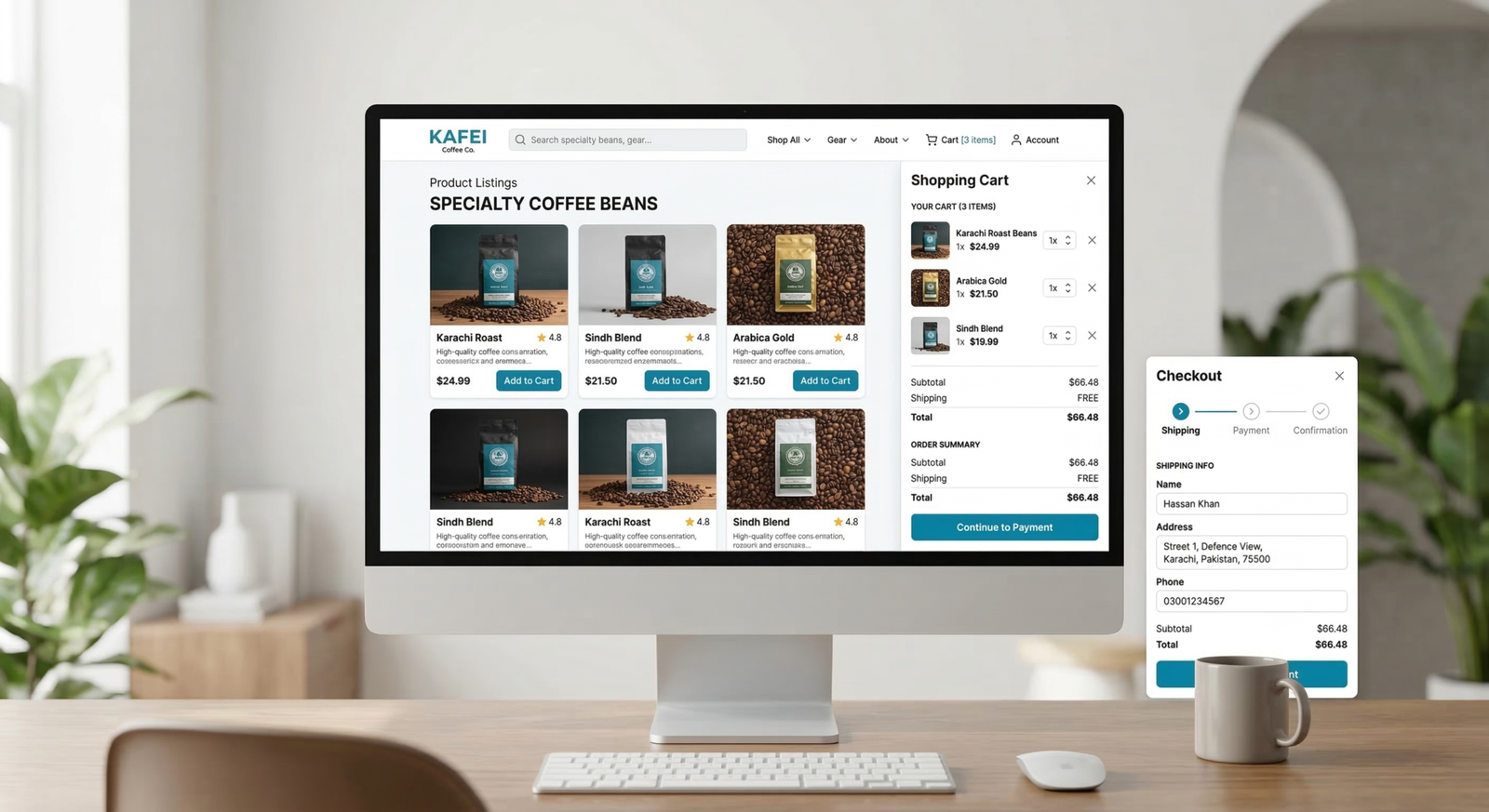
E-commerce is growing rapidly, and businesses are increasingly investing in professional online stores. However, simply launching an online store is not enough. A successful e-commerce website Development must be designed to attract visitors, build trust, and convert them into paying customers.
Many online stores struggle with low sales because they lack essential features that improve user experience and encourage purchases. From fast loading speeds to secure payment gateways, every detail plays an important role in conversion rates.
In this guide, we’ll explore the key features every e-commerce website needs to convert visitors into buyers.
User-Friendly Website Design
The design of your online store is the first thing customers notice. If your website looks outdated, cluttered, or difficult to navigate, visitors will likely leave before exploring your products.
A good e-commerce design should include:
- Simple navigation
- Clear product categories
- Easy search functionality
- Clean and modern layout
First impressions strongly influence customer decisions. If you want to understand how design impacts user behavior, read First Impression Matters: Website Design for Businesses (2026).
Fast Website Loading Speed
Website speed is one of the most important factors in e-commerce success. Slow websites frustrate users and often lead to abandoned carts.
Research shows that even a 1-second delay in page loading can reduce conversions significantly. Fast websites provide smoother browsing experiences and encourage customers to complete purchases.
You can check your website performance using
https://pagespeed.web.dev/
If you want to understand this topic in detail, read How Website Speed Impacts SEO & Conversions.
Mobile-Friendly Shopping Experience
Most online shoppers now browse and buy products using smartphones. If your e-commerce website is not optimized for mobile devices, you risk losing a large percentage of potential customers.
A mobile-friendly e-commerce website should offer:
- Responsive design
- Easy product browsing
- Fast mobile loading
- Mobile-friendly checkout
Following Mobile-First Website Design: Why It’s Critical in 2026 can significantly improve mobile conversions.

Secure Payment Integration
Trust is essential for online transactions. Customers must feel confident that their payment information is safe.
Your e-commerce website should include:
- Secure payment gateways
- SSL certificates
- Multiple payment options
- Secure checkout process
Secure payment systems reduce cart abandonment and increase customer confidence.
For secure payment practices, you can learn more at
https://stripe.com/resources/more/secure-online-payments
High-Quality Product Pages
Product pages play a critical role in convincing visitors to make a purchase. Poor product descriptions or low-quality images can discourage customers.
Effective product pages should include:
- High-resolution images
- Detailed product descriptions
- Pricing information
- Customer reviews
- Clear call-to-action buttons
Adding customer reviews also builds social proof and improves buyer confidence.
You can explore conversion strategies at
https://www.shopify.com/blog/product-page
Simple and Fast Checkout Process
A complicated checkout process is one of the biggest reasons customers abandon their carts.
A high-converting checkout should include:
- Minimal form fields
- Guest checkout option
- Multiple payment methods
- Clear order summary
Reducing friction in the checkout process helps increase completed purchases.
Search and Product Filtering
Large e-commerce websites often have hundreds or thousands of products. Without search and filtering features, customers may struggle to find what they need.
Important filtering options may include:
- Price range
- Product category
- Brand
- Ratings or popularity
These features improve user experience and make shopping faster.
SEO Optimization for E-commerce
Your online store must be optimized for search engines so potential customers can find your products.
Important SEO features include:
- Optimized product titles
- Meta descriptions
- Fast loading pages
- Mobile optimization
- Structured URLs
Avoid common SEO mistakes by reading Common Website Design Mistakes That Hurt SEO in 2026.
Why Professional E-commerce Development Matters
Building a successful online store requires more than just adding products to a website. It requires proper design, development, security, and optimization.
Professional e-commerce development ensures:
- Faster website performance
- Better user experience
- Secure transactions
- Higher conversion rates
If you’re planning to launch an online store, professional Website Development Services can help create a scalable and conversion-focused e-commerce platform.
Conclusion
A successful e-commerce website is built around user experience, trust, and conversion optimization. From mobile responsiveness to secure payments and fast loading speeds, every feature contributes to turning visitors into customers.
Businesses that invest in professional e-commerce development are more likely to achieve higher sales, stronger customer trust, and long-term online growth.
FAQs
What is e-commerce website development?
E-commerce website development is the process of building an online store where businesses can display products, accept payments, and manage online orders.
What features should every e-commerce website have?
Important features include mobile responsiveness, fast loading speed, secure payments, easy navigation, product search, and simple checkout.
How can an e-commerce website increase sales?
By improving website speed, simplifying checkout, optimizing product pages, and offering secure payment options.
Which platform is best for e-commerce websites?
Popular platforms include Shopify, WooCommerce, and custom-built e-commerce websites depending on business needs.