Introduction
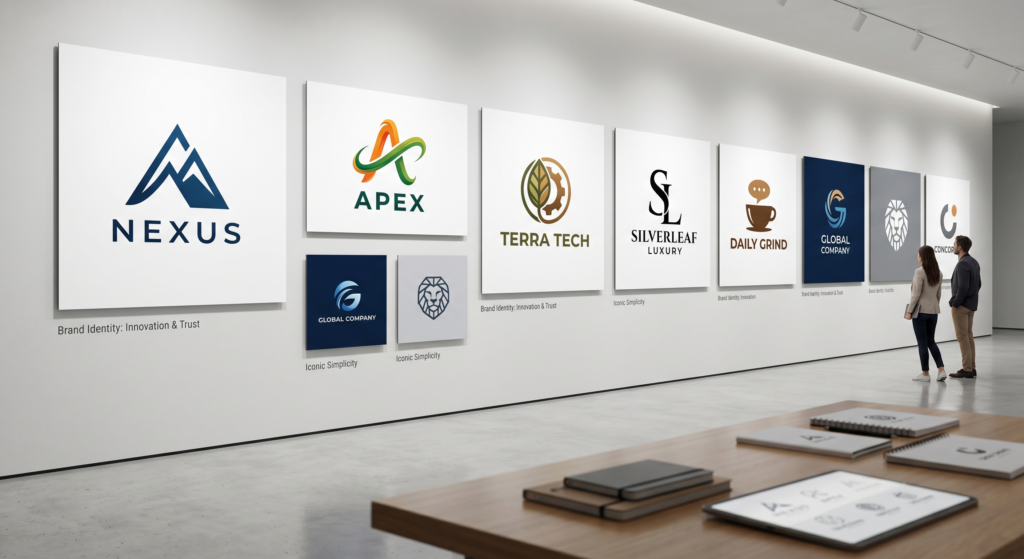
Typography is one of the most powerful yet underrated elements in logo design. While colors attract attention, fonts define personality. A well-chosen typeface can instantly communicate whether a brand is modern, traditional, playful, or premium.
In today’s competitive digital world, especially in 2026, typography in logo design plays a major role in brand recognition and long-term recall.
If you are also exploring how other design elements affect branding, you can read our guide on Logo Color Psychology: Choosing the Right Colors for Your Brand (2026 Guide)
What Is Typography in Logo Design?
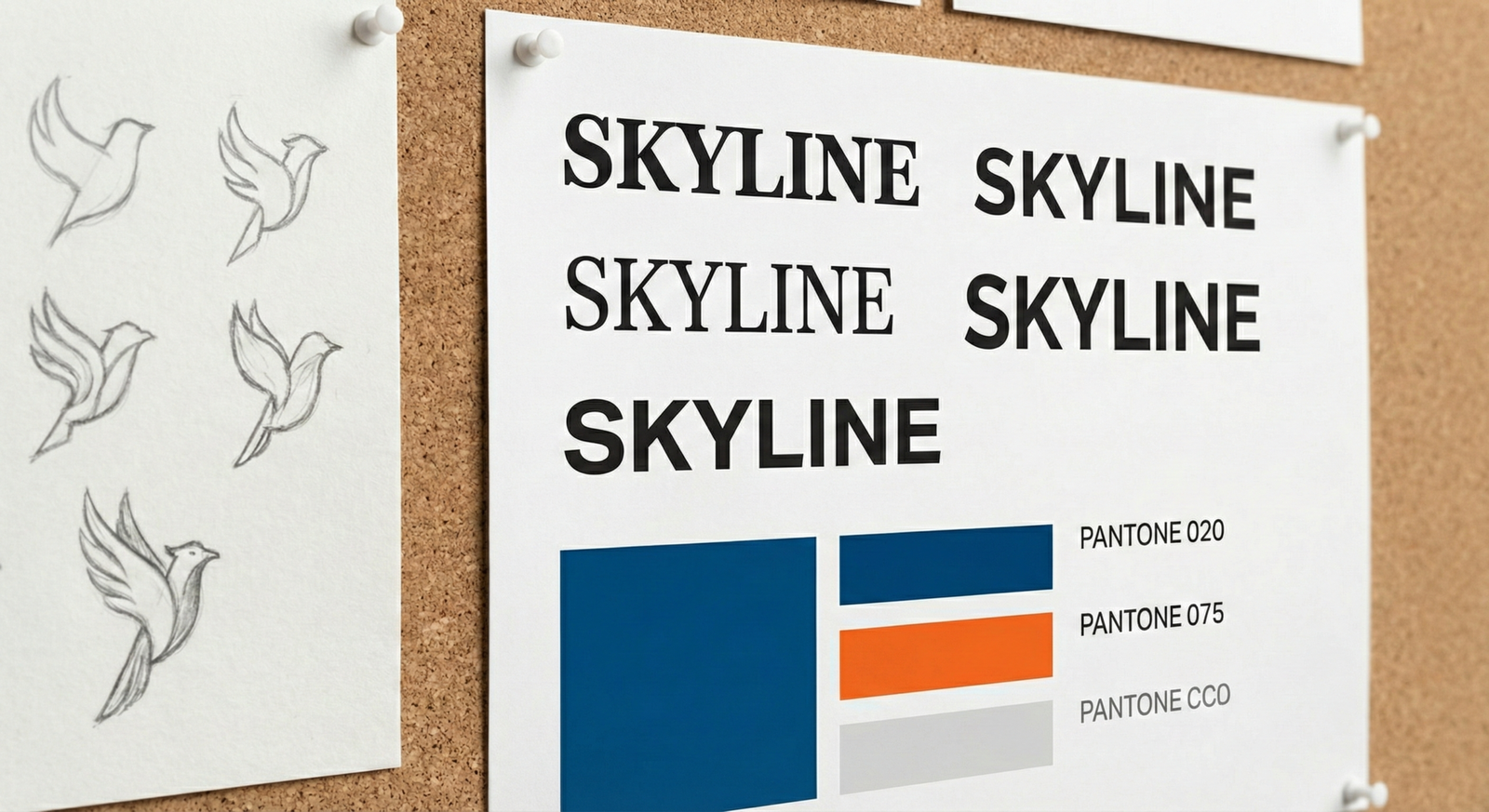
Typography in logo design refers to how text is styled, arranged, and presented in a logo.
It includes:
- Font style (serif, sans-serif, script, display)
- Weight (bold, light, regular)
- Spacing (kerning and tracking)
- Case (uppercase or lowercase)
Typography is not just text, it becomes a visual identity that people associate with your brand.
Why Typography Matters for Brand Recognition
Typography directly influences how customers remember your brand. It affects:
- First impressions
- Emotional connection
- Brand personality
- Readability and clarity
- Long-term recognition
For example:
- Tech brands often use clean sans-serif fonts for trust and modern appeal
- Luxury brands prefer elegant serif typography
- Creative agencies use bold or experimental fonts
Typography helps turn a simple logo into a recognizable brand identity.
Types of Fonts Used in Logo Design
Serif Fonts – Traditional & Trustworthy
Serif fonts have decorative strokes that make them feel classic and professional.
Best for: Law firms, universities, financial institutions
Sans-Serif Fonts – Modern & Clean
Sans-serif fonts are simple, minimal, and easy to read.
Best for: Startups, SaaS companies, tech brands
Script Fonts – Elegant & Personal
Script fonts mimic handwriting and give a personal touch.
Best for: Beauty brands, fashion, wedding services
Display Fonts – Bold & Unique
Display fonts are highly stylized and attention-grabbing.
Best for: Entertainment, gaming, creative agencies
How to Choose the Right Font for Your Logo
1. Define Your Brand Personality
Before selecting fonts, understand your brand identity:
- Is your brand formal or casual?
- Premium or budget-friendly?
- Modern or traditional?
If you are building your brand identity from scratch, check our detailed guide:
Small Business Branding Guide: Step-by-Step Strategy (2026)
2. Match Industry Expectations
Fonts should align with your industry standards:
- Finance → Serif or professional sans-serif
- Technology → Clean modern sans-serif
- Fashion → Elegant serif or script fonts
3. Focus on Readability
A logo must be readable at all sizes, from mobile screens to billboards.
4. Avoid Overused Fonts
Fonts like Comic Sans or overly decorative styles can reduce brand credibility.
You may also want to avoid common design errors discussed in:
Top 10 Logo Design Mistakes That Kill Your Brand Credibility
5. Keep It Simple
Most strong logos use only one or two fonts to maintain clarity and recognition.
Font Psychology in Branding
Typography directly affects human emotions:
- Bold fonts = Strength and confidence
- Thin fonts = Luxury and elegance
- Rounded fonts = Friendly and approachable
- Sharp fonts = Energy and innovation
Understanding font psychology helps brands connect emotionally with their audience.
Common Typography Mistakes in Logo Design
- Using too many fonts
- Poor spacing (kerning issues)
- Choosing trendy fonts that quickly become outdated
- Ignoring scalability
- Overcomplicated typography
Typography Trends in Logo Design (2026)
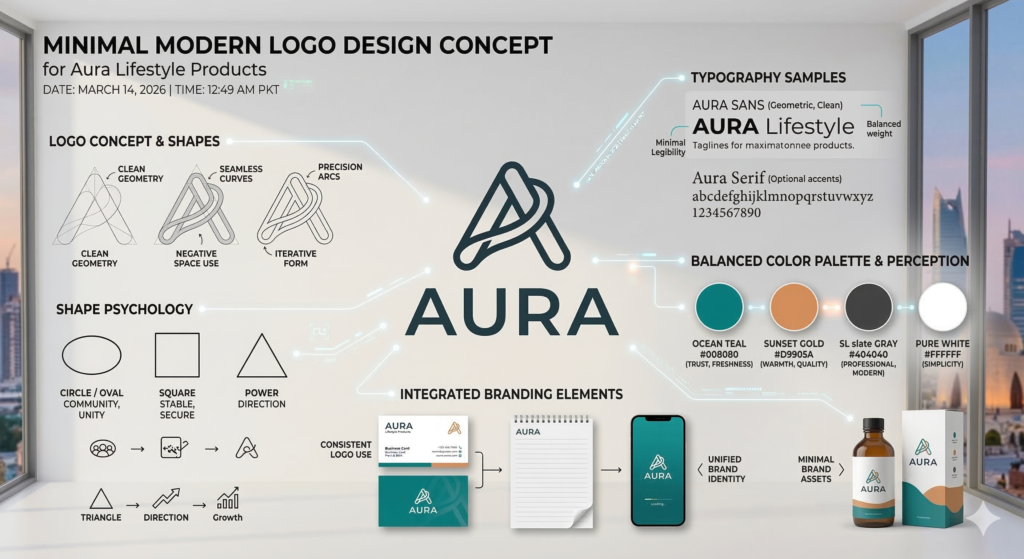
Modern branding trends include:
- Minimal sans-serif logos
- Custom hand-lettered typography
- Geometric font structures
- Bold condensed typefaces
- Variable fonts for flexibility
However, strong branding always focuses on timeless design over temporary trends.
Why Professional Typography Matters in Logo Design
Professional designers don’t just pick fonts, they craft identity systems.
Typography impacts:
- Brand recognition
- Customer trust
- Digital presence
- Marketing consistency
If you want a strong, professionally designed logo, explore our Logo Design Services Page
You can also explore our full guide:
Logo Design Packages Explained for Business Owners
External References
Here are trusted resources to learn more:
- https://www.canva.com/learn/typography/
- https://www.adobe.com/creativecloud/design/discover/typography.html
- https://99designs.com/blog/tips/what-is-typography/
- https://www.smashingmagazine.com/category/typography/
- https://www.interaction-design.org/literature/topics/typography
Conclusion
Typography is not just design, it is brand communication. The right font builds trust, improves recognition, and defines how customers perceive your business.
When choosing typography for your logo, always focus on readability, industry relevance, and emotional impact. A strong typographic identity can significantly boost your brand success in 2026.
FAQs
What is typography in logo design?
Typography in logo design refers to the style and arrangement of fonts used to represent a brand visually.
Which font is best for logo design?
There is no single best font. Sans-serif fonts are popular for modern brands, while serif fonts are used for traditional businesses.
How many fonts should a logo use?
Ideally, a logo should use one font or a carefully selected combination of two fonts.
Why is typography important in branding?
Typography shapes brand personality, improves recognition, and influences customer perception and trust.