Graphic Design Impacts & Customer Psychology
Have you ever bought something just because it looked good?
That’s not a coincidence, it’s psychology.
Graphic design plays a powerful role in shaping how customers think, feel, and ultimately make buying decisions. In fact, studies show that people form opinions about a brand within seconds and design is often the first thing they notice.
In this guide, we’ll break down how graphic design influences customer psychology and how you can use it to increase conversions and sales.
What Is Design Psychology in Marketing?
Design psychology is the study of how visuals influence human behavior.
It combines:
- Color psychology
- Typography
- Layout and structure
- Visual storytelling
If you’re new to the fundamentals, start with What Is Graphic Design? Complete Beginner Guide for Businesses in 2026.
Why Graphic Design Matters for Buying Decisions
Customers don’t always make logical decisions, they make emotional decisions first, then justify them logically.
Good design:
- Builds trust instantly
- Creates emotional connection
- Influences perception of quality
- Guides users toward action
Learn more:
How Professional Graphic Design Helps Businesses Grow Faster (2026)
1. First Impressions: The 3-Second Rule
You have only a few seconds to capture attention.
When a customer sees your:
- Website
- Social media post
- Advertisement
They instantly decide whether to stay or leave.
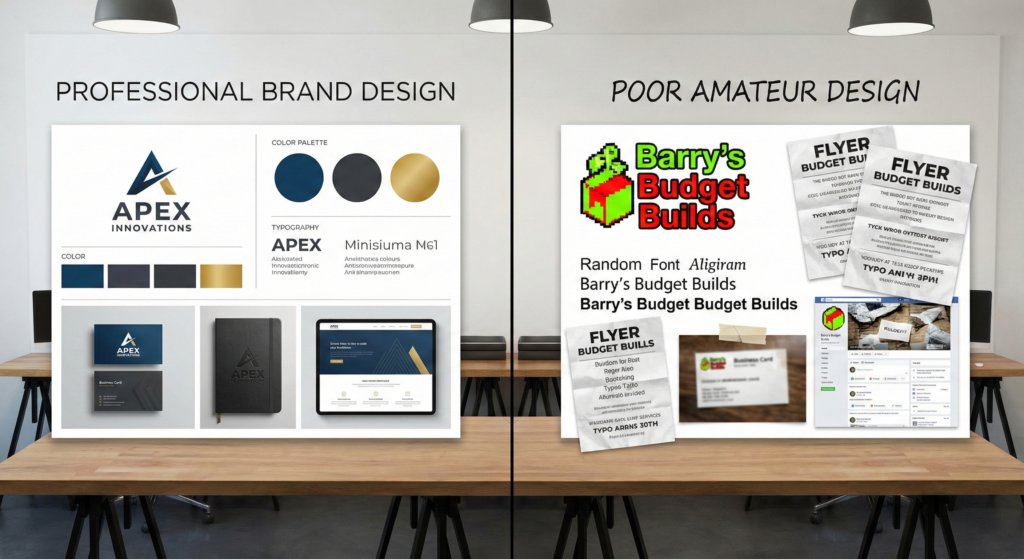
A poor design = lost customer
A professional design = higher engagement
Related:
Common Graphic Design Mistakes That Hurt Your Brand
2. Color Psychology: Emotions That Drive Sales
Colors directly affect how people feel and behave.
Examples:
- Red → urgency, excitement (great for sales)
- Blue → trust, security (used by corporate brands)
- Green → growth, health
- Black → luxury, premium feel
Using the right colors can significantly increase conversions.
Explore:
Graphic Design Trends Businesses Should Follow in 2026
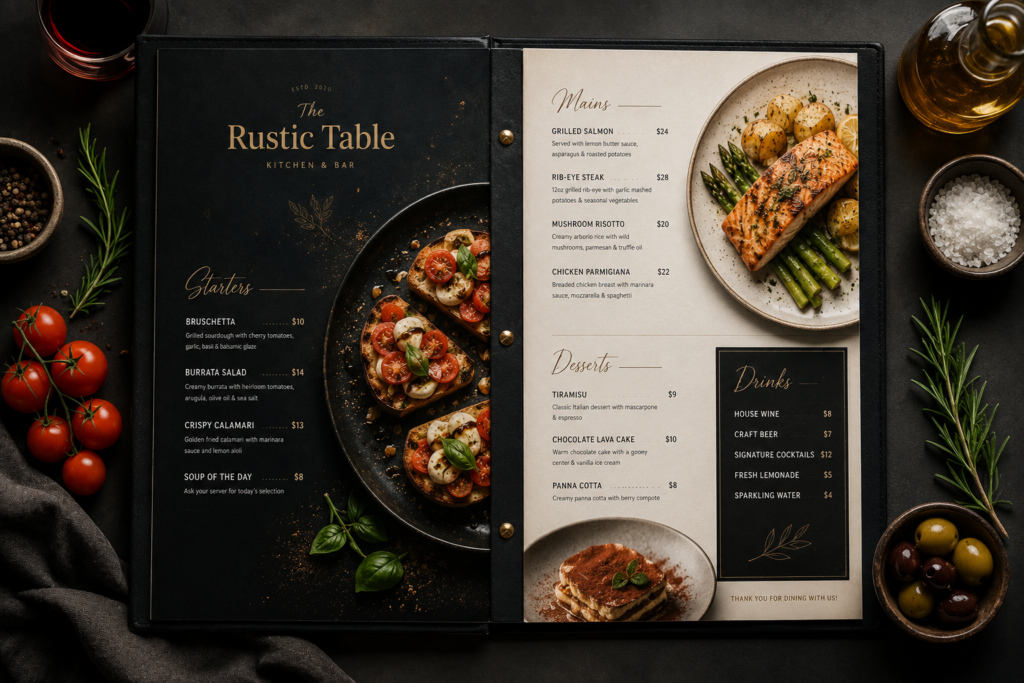
3. Typography: The Voice of Your Brand
Fonts communicate personality.
- Serif fonts → traditional, trustworthy
- Sans-serif → modern, clean
- Script fonts → elegant, creative
Bad typography can make your business look unprofessional, even if your product is great.
Learn more:
What Makes a Good Logo? Design Principles Explained for Businesses
4. Visual Hierarchy: Guiding Customer Attention
Design should guide the user’s eye.
A strong hierarchy:
- Grabs attention (headline)
- Provides information
- Leads to action (CTA)
Without structure, users get confused, and confused users don’t buy.
Read:
How to Create High-Converting Marketing Graphics
5. Consistency Builds Trust
Customers trust brands that look consistent.
Your:
- Colors
- Fonts
- Style
Should remain the same across all platforms.
Inconsistent design creates confusion and reduces credibility.
Explore:
Brand Visual Identity: Why Consistent Design Matters in 2026
6. Simplicity Reduces Decision Fatigue
Too many design elements overwhelm users.
Simple designs:
- Are easier to understand
- Load faster
- Convert better
Related:
Graphic Design Services for Small Businesses: What You Really Need
7. Images & Visual Storytelling
Humans process visuals faster than text.
High-quality images:
- Capture attention
- Communicate messages quickly
- Build emotional connection
This is especially important for online businesses.
Read:
Graphic Design for E-commerce Brands: What Actually Converts
8. Trust Signals in Design
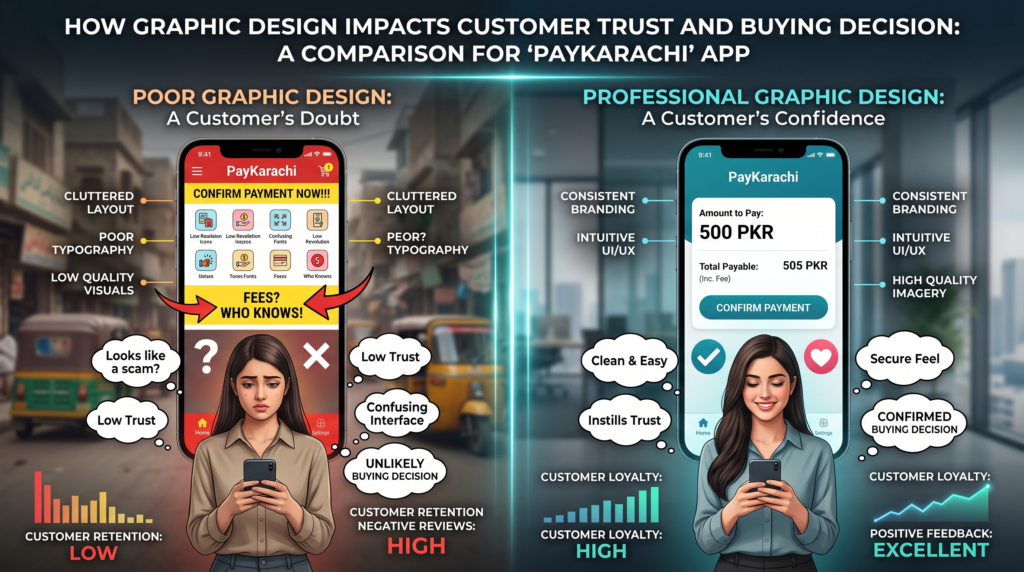
Design can increase or decrease trust instantly.
Trust-building elements:
- Clean layout
- Professional visuals
- Testimonials
- Clear messaging
Poor design signals:
- Low quality
- Unreliable business
- Risk for customers
Learn more:
How Professional Design Improves Brand Trust & Sales
9. The Role of UX in Buying Decisions
User experience (UX) plays a major role in conversions.
If your design is:
- Hard to navigate
- Slow
- Confusing
Customers will leave even if your product is great.
Explore:
UI vs UX Design: What’s the Difference for Business Owners?
10. Emotional Design = Higher Conversions
The most successful brands don’t just sell products they sell feelings.
Good design can make customers feel:
- Excited
- Confident
- Secure
- Inspired
And emotions are what drive buying decisions.
Real-World Example
Think about premium brands.
They use:
- Minimal design
- High-quality visuals
- Elegant typography
This creates a perception of luxury even before customers see the product.
Freelancer vs Agency for Psychological Design
If you want design that truly influences customer behavior:
- Freelancers → good for basic design tasks
- Agencies → better for strategy-driven, conversion-focused design
Read:
Freelance Designer vs Design Agency: Which Is Better for Your Business?
External Resources
- https://www.nngroup.com – UX and psychology research
- https://www.hubspot.com – Marketing and conversion strategies
- https://www.adobe.com – Professional design tools
Conclusion
Graphic design is more than just aesthetics, it’s a powerful psychological tool.
It influences:
- How customers perceive your brand
- How they feel about your product
- Whether they decide to buy or not
If you want to grow your business in 2026, investing in strategic, psychology-driven design is not optional, it’s essential.
FAQs
How does graphic design influence customer behavior?
It affects emotions, trust, and perception, which directly impact buying decisions.
Which design element impacts customers the most?
Color and visual hierarchy have the strongest immediate impact on user attention and emotions.
Can good design increase sales?
Yes, professional and strategic design can significantly improve conversions and revenue.
Why do customers trust well-designed brands more?
Because clean, consistent design signals professionalism, quality, and reliability.