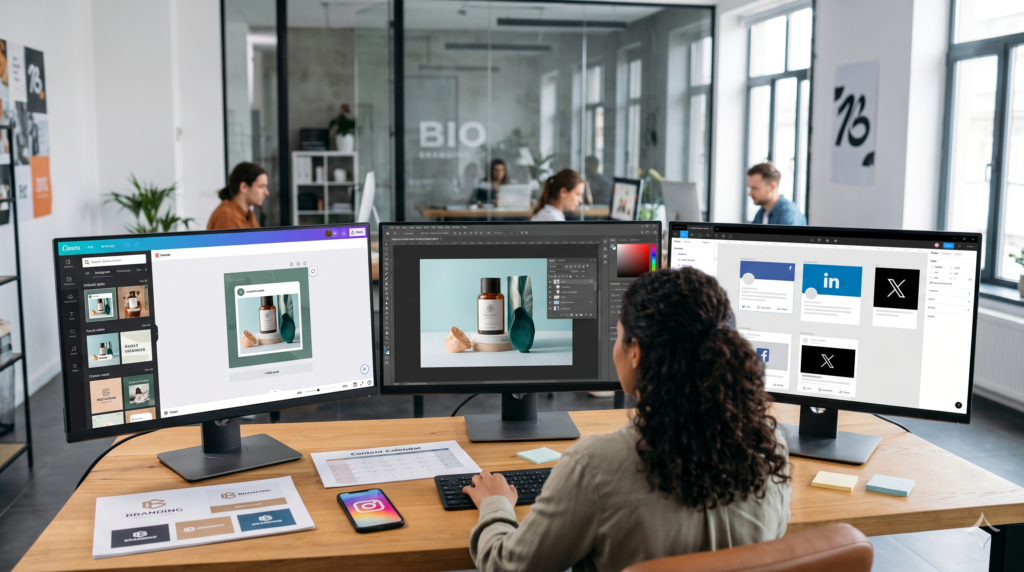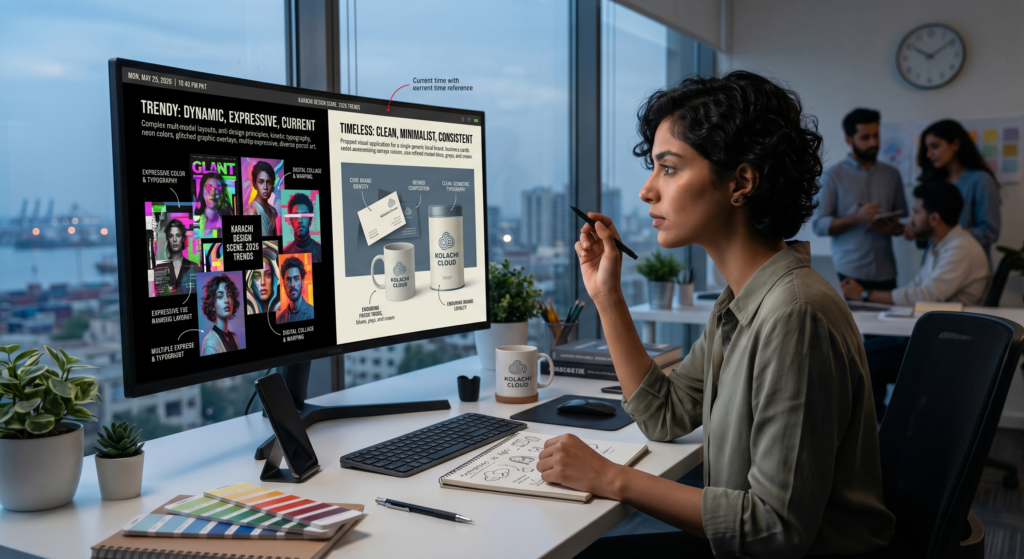
Graphic design plays a critical role in how customers perceive a brand. From social media posts to websites and marketing materials, design influences whether a business appears professional, trustworthy, and credible.
However, many businesses make design mistakes that weaken their brand image and reduce the effectiveness of their marketing efforts. Poor graphic design can create confusion, reduce trust, and make your business look less professional than competitors.
In this guide, we’ll explore the most common graphic design mistakes that hurt your brand and how businesses can avoid them.
Using Inconsistent Branding
One of the biggest design mistakes businesses make is inconsistency in their branding.
When colors, fonts, and styles change across different platforms, customers may struggle to recognize the brand. Consistent branding helps businesses build strong brand recognition and credibility.
Companies like Apple Inc., Nike, and Coca-Cola maintain highly consistent visual identities across all marketing channels.
Businesses that want to strengthen brand consistency should also review Brand Visual Identity: Why Consistent Design Matters in 2026.
Overloading Designs With Too Many Elements
Many businesses believe that adding more elements makes designs more attractive. In reality, cluttered designs often confuse viewers.
Too many colors, icons, or text elements can make designs look messy and difficult to understand. Effective graphic design focuses on clarity and simplicity so that the message is easy to understand.
You can explore basic design principles in What Is Graphic Design? Complete Beginner Guide for Businesses in 2026.
Poor Typography Choices
Typography has a major impact on readability and brand perception.
Common typography mistakes include:
- Using too many fonts
- Choosing difficult-to-read fonts
- Inconsistent text styles
- Poor spacing between letters and lines
Professional designs typically use one or two complementary fonts to maintain clarity and consistency.
Good typography also strengthens brand identity and professionalism.
Using Low-Quality Images
Low-resolution or poorly edited images can make a business appear unprofessional.
Blurry or pixelated images reduce the overall quality of marketing materials and weaken brand credibility.
Businesses should use high-quality images, graphics, and illustrations for websites, social media, and advertisements. Professional designers often rely on tools like Adobe Photoshop, Adobe Illustrator, and Canva to produce high-quality visuals.
You can explore popular design tools in Best Graphic Design Software for Beginners & Businesses (2026).
Ignoring Visual Hierarchy
Visual hierarchy helps viewers understand information quickly by guiding their attention through the design. Without proper hierarchy, viewers may not know where to focus first.
Good design hierarchy typically includes:
- Large headlines
- Supporting subheadings
- Clear call-to-action elements
- Balanced spacing
Businesses that use strong visual hierarchy improve readability and engagement.
You can learn more about design principles here:
https://www.interaction-design.org/literature/topics/visual-hierarchy
Poor Color Choices
Colors influence emotions and brand perception. Poor color combinations can make designs look unprofessional or difficult to read.
Common color mistakes include:
- Using too many colors
- Poor contrast between text and background
- Colors that don’t match brand identity
Professional designs typically use a limited color palette aligned with brand identity. Businesses can explore color strategy further in Graphic Design Trends Businesses Should Follow in 2026.
Copying Other Brands Designs
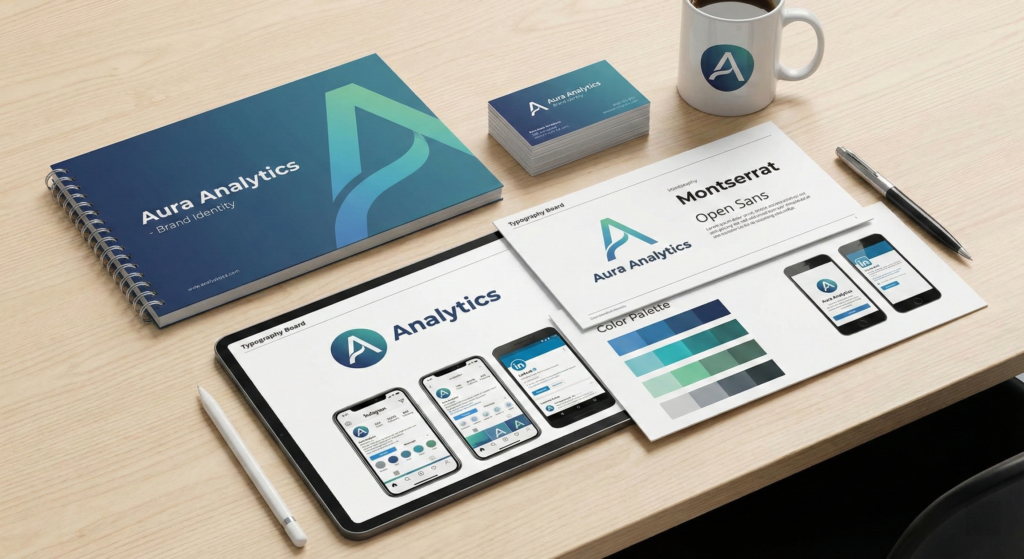
Some businesses attempt to imitate successful brands. However, copying design styles can make your brand appear unoriginal and less trustworthy.
Unique visual identity is essential for brand differentiation.
Well-known brands such as Spotify and Airbnb have distinctive design styles that make them instantly recognizable. Original design strengthens brand identity and customer trust.
Designing Without Understanding the Target Audience
Designs should reflect the preferences and expectations of the target audience.
For example:
- A corporate audience may prefer clean and professional designs
- A younger audience may respond better to bold and colorful visuals
Understanding your audience helps create designs that communicate effectively.
Businesses launching new brands may also benefit from Graphic Design for Startups: What to Outsource First.
Not Optimizing Designs for Digital Platforms
Many businesses create designs that look good in print but fail to work well online.
Modern graphic design must be optimized for:
- Social media platforms
- Mobile devices
- Websites
- Digital advertisements
Designs should remain clear and readable across different screen sizes.
Businesses can learn more about digital design strategies in Social Media Graphic Design Guide for Businesses (2026).
Trying to Do Everything Without Professional Help
Graphic design requires technical skills, creativity, and strategic thinking. Businesses that rely on inexperienced designers or DIY tools may struggle to produce high-quality visuals.
Professional graphic designers understand branding, layout, typography, and marketing strategies that improve visual communication.
Businesses seeking stronger brand identity may explore Graphic Design Services for Small Businesses: What You Really Need.
You can also learn more about professional design practices here:
https://www.adobe.com/creativecloud/design/discover/graphic-design.html
Conclusion
Graphic design plays a powerful role in shaping brand perception and customer trust. Businesses that avoid common design mistakes can create stronger visual identities and more effective marketing materials.
By focusing on consistency, simplicity, typography, color balance, and professional design standards, companies can build visuals that strengthen their brand and attract customers.
Investing in professional graphic design is not just about aesthetics, it is about creating a powerful visual communication strategy that supports business growth.
FAQs
Why is graphic design important for businesses?
Graphic design helps businesses communicate visually, build brand identity, and attract customers through professional marketing materials.
What is the most common graphic design mistakes?
One of the most common mistakes is inconsistent branding across different platforms and marketing materials.
Can poor graphic design affect business growth?
Yes. Poor design can reduce trust, weaken brand perception, and make marketing campaigns less effective.
How can businesses improve their graphic design?
Businesses can improve design quality by using professional designers, maintaining brand consistency, and following modern design principles.