Not all graphic design works the same for every business.
What works for an e-commerce brand may completely fail for a healthcare company. That’s because every industry has different audiences, goals, and expectations.
In this guide, we’ll break down how graphic design should be adapted for different industries and what actually works for each business type in 2026.
Why Industry-Specific Design Matters
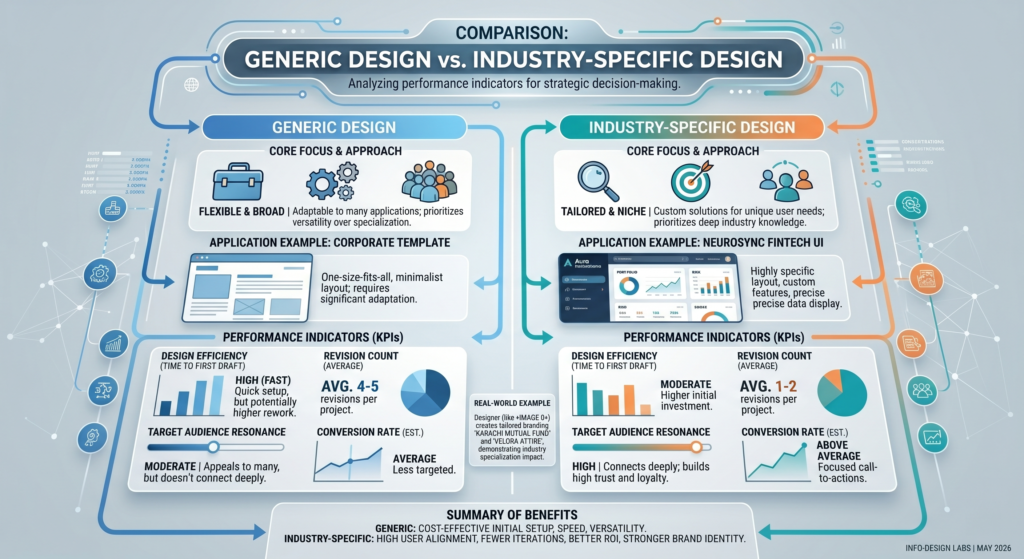
Generic design leads to weak results.
Industry-specific design:
- Connects better with the target audience
- Builds trust faster
- Improves conversions
- Aligns with customer expectations
Start here:
How Graphic Design Impacts Customer Psychology & Buying Decisions
1. E-commerce Industry
What Works:
- High-quality product images
- Clear pricing and offers
- Strong CTAs (“Buy Now”)
- Minimal distractions
Why It Works:
Customers need clarity and confidence before purchasing.
Related:
Graphic Design for E-commerce Brands: What Actually Converts
2. Healthcare Industry
What Works:
- Clean, minimal layouts
- Soft colors (blue, green)
- Trust-building visuals
- Easy-to-read typography
Why It Works:
Patients value trust, safety, and clarity over creativity.
3. Real Estate Industry
What Works:
- High-resolution property images
- Professional layouts
- Clear contact information
- Premium feel design
Why It Works:
Visual appeal directly influences perceived property value.
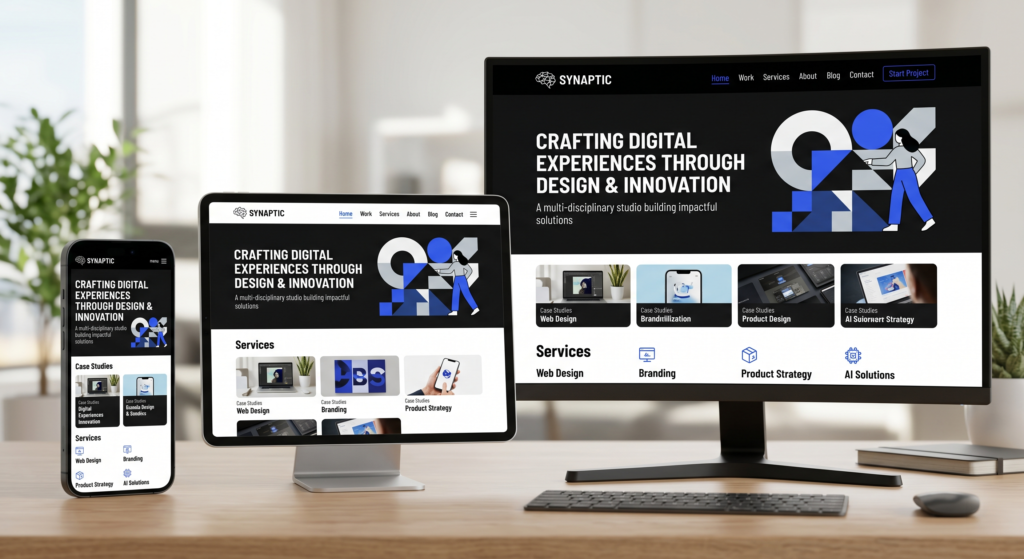
4. Startup & Tech Industry
What Works:
- Modern UI/UX design
- Bold typography
- Innovative layouts
- Interactive elements
Why It Works:
Tech audiences expect innovation and modern experiences.
Explore:
- UI vs UX Design: What’s the Difference for Business Owners?
- Graphic Design for Startups: What to Outsource First
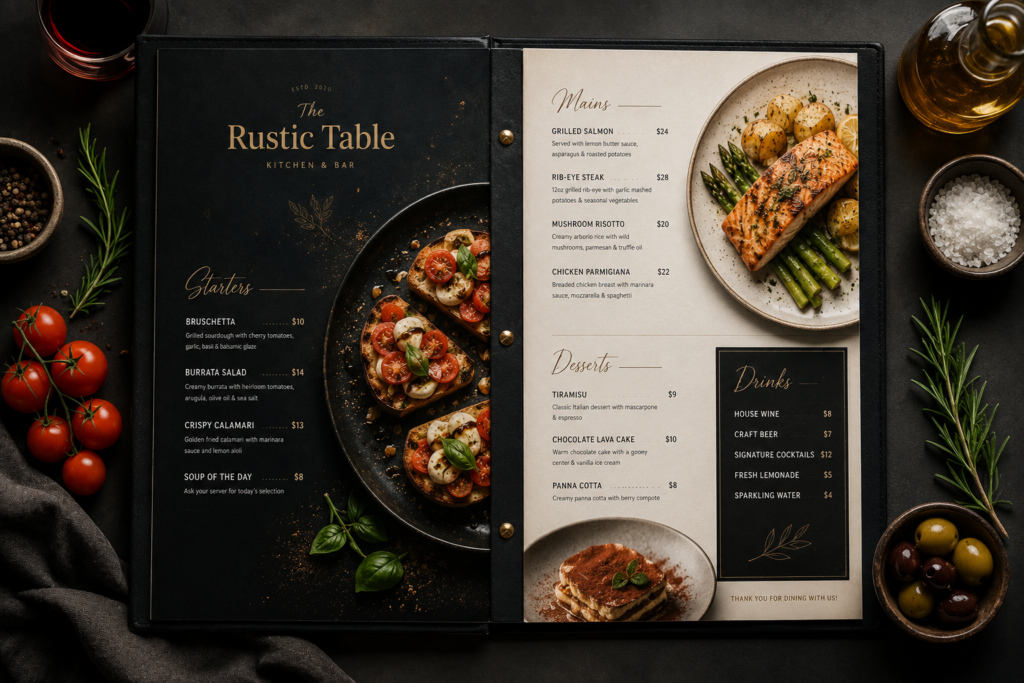
5. Food & Restaurant Industry
What Works:
- Mouth-watering visuals
- Warm, appetizing colors
- Menu-focused layouts
- Strong branding
Why It Works:
Food is emotional, design must trigger cravings.
6. Corporate & Finance Industry
What Works:
- Clean and professional layouts
- Neutral colors (blue, grey)
- Structured design
- Minimal clutter
Why It Works:
Trust and professionalism are the top priorities.
7. Education Industry
What Works:
- Informative layouts
- Friendly visuals
- Easy navigation
- Clear messaging
Why It Works:
Students and parents need clarity and trust.
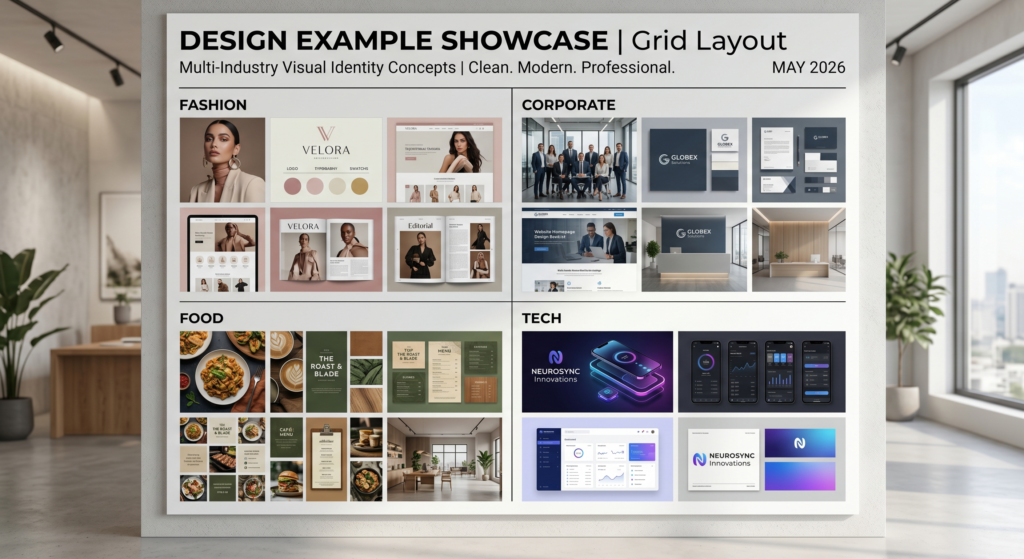
8. Fashion & Beauty Industry
What Works:
- Trendy visuals
- Bold typography
- High-end imagery
- Consistent branding
Why It Works:
Visual appeal and aesthetics drive buying decisions.
Learn more:
Graphic Design Trends Businesses Should Follow in 2026
9. Service-Based Businesses
What Works:
- Trust signals (reviews, testimonials)
- Clear value proposition
- Professional branding
- Simple layouts
Why It Works:
Customers need confidence before hiring a service.
Related:
How Professional Design Improves Brand Trust & Sales
10. Local Businesses
What Works:
- Clear contact details
- Location-focused visuals
- Simple promotions
- Print + digital mix
Why It Works:
Local customers value accessibility and clarity.
Explore:
Print Design vs Digital Design: What Does Your Business Need?
Common Design Principles Across All Industries
No matter the industry, successful designs share:
- Simplicity
- Clear messaging
- Strong visual hierarchy
- Consistency
- User-focused design
Read:
How to Create High-Converting Marketing Graphics
Common Mistakes Businesses Make
- Using generic templates
- Ignoring target audience
- Following trends blindly
- Lack of consistency
Learn more:
Custom Graphic Design vs Templates: What Delivers Better ROI?
How to Choose the Right Design Strategy
Ask yourself:
- Who is my target audience?
- What emotions should my brand evoke?
- What action do I want users to take?
Then align your design accordingly.
Explore:
Graphic Design Process: Step-by-Step Guide for Businesses (2026)
Freelancer vs Agency for Industry-Specific Design
- Freelancers → good for basic tasks
- Agencies → better for strategic, industry-focused design
Read:
Freelance Designer vs Design Agency: Which Is Better for Your Business?
Need Industry-Specific Design for Your Business?
If you want designs tailored to your industry and audience:
Visit: https://omocracy.com/service/graphic-design/
External Resources
- https://www.behance.net – Industry-based design inspiration
- https://www.dribbble.com – Creative design trends
- https://www.hubspot.com – Marketing and design strategies
Conclusion
There’s no one-size-fits-all approach to graphic design.
Each industry requires:
- A different strategy
- Different visuals
- Different messaging
Businesses that understand this create designs that not only look good, but perform better and convert more.
In 2026, industry-specific design is the key to standing out.
FAQs
Why is industry-specific design important?
Because different audiences have different expectations, and tailored design improves engagement and conversions.
Can one design style work for all industries?
No, each industry requires a unique approach based on audience and goals.
Which industry needs the most creative design?
Fashion, entertainment, and startups often require more creative and bold designs.
How do I choose the right design style for my business?
Understand your audience, industry standards, and business goals before deciding.