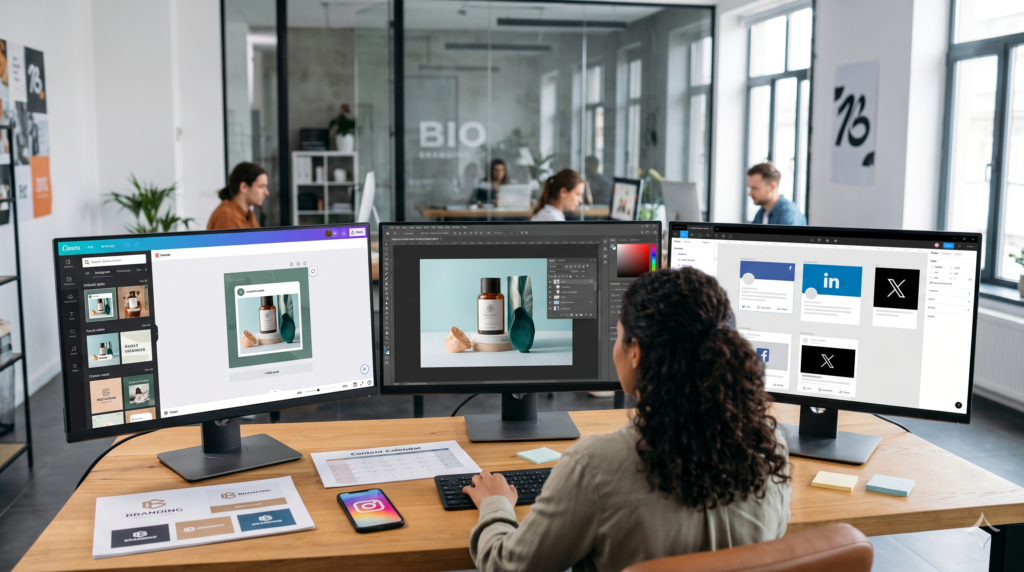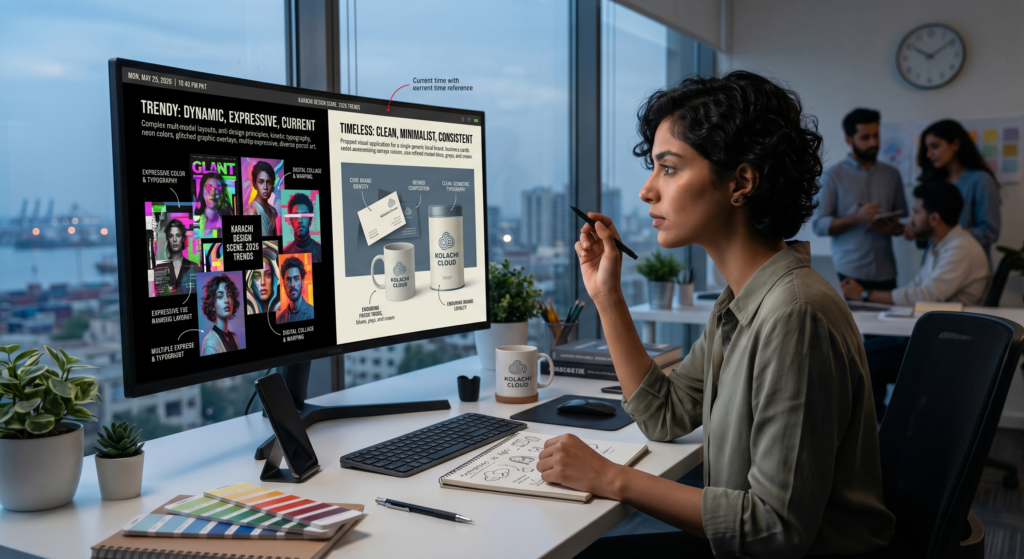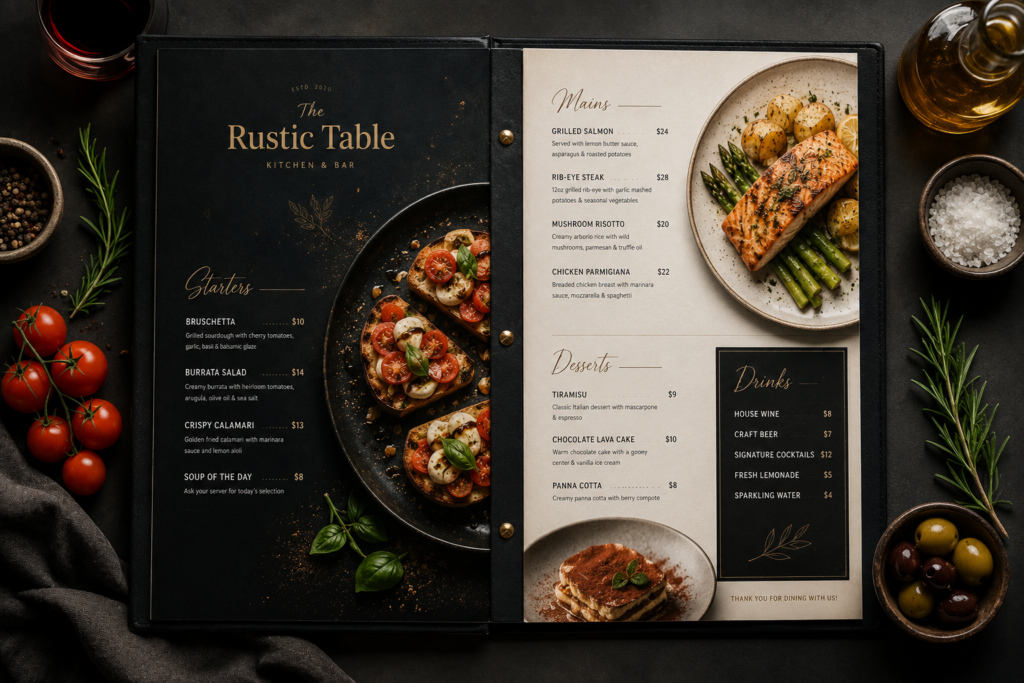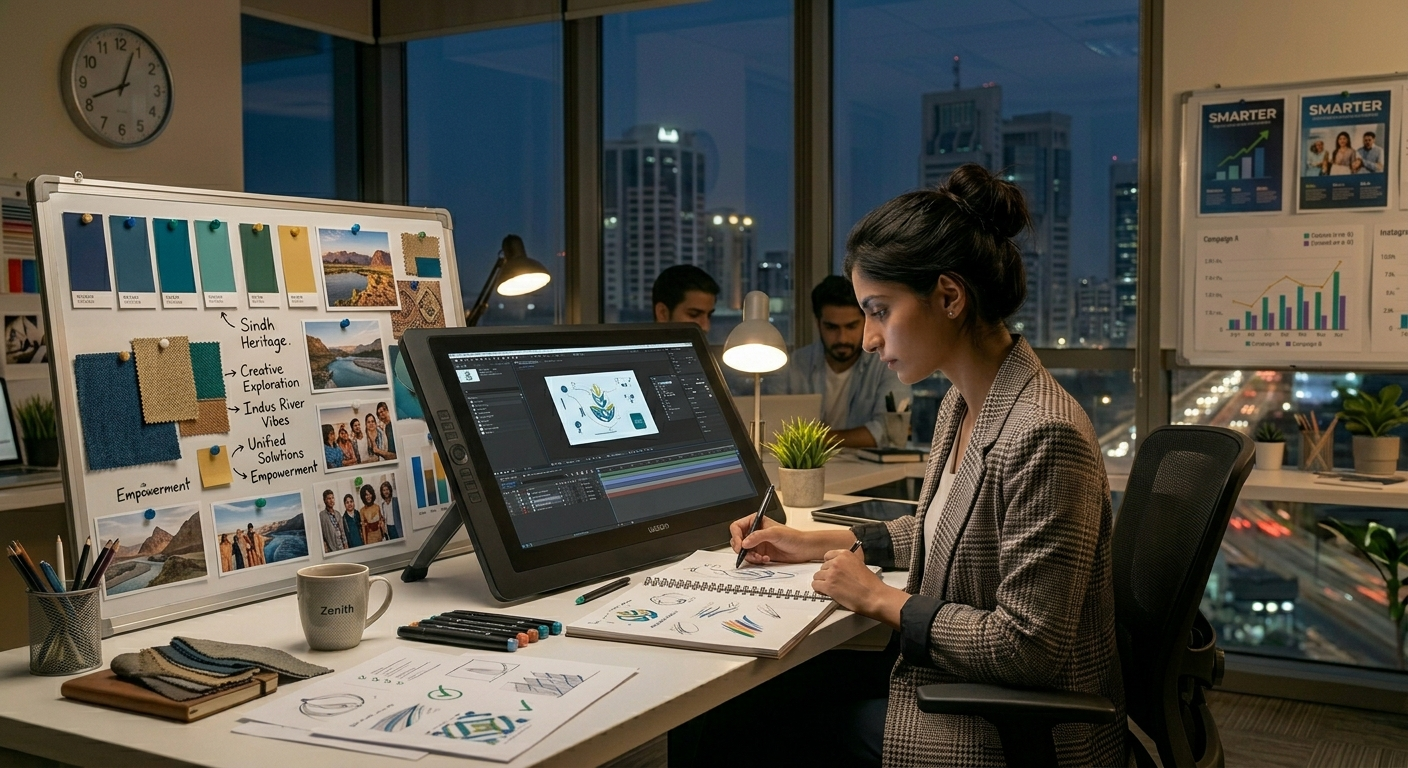
Great design doesn’t happen by accident, it follows a structured process.
Whether you’re working with a freelancer, agency, or in-house designer, understanding the graphic design process helps you get better results, avoid mistakes, and ensure your vision is properly executed.
In this guide, we’ll break down the step-by-step graphic design process every business should know in 2026.
Why the Graphic Design Process Matters
A structured design process ensures:
- Clear communication
- Faster project delivery
- Fewer revisions
- Better business results
Without a process, design becomes guesswork.
Learn more:
Why Businesses Fail Without Professional Graphic Design
Step 1: Understanding the Client Brief
Every design project starts with a brief.
This includes:
- Business goals
- Target audience
- Brand identity
- Project requirements
A strong brief is the foundation of successful design.
Related:
How to Choose a Graphic Design Agency for Your Business
Step 2: Research & Market Analysis
Before designing anything, professionals research:
- Competitors
- Industry trends
- Customer behavior
- Visual standards
This ensures your design is not just creative, but also strategic.
Explore:
Graphic Design Trends Businesses Should Follow in 2026
Step 3: Concept Development
At this stage, designers brainstorm ideas.
They create:
- Rough sketches
- Mood boards
- Visual directions
This is where creativity meets strategy.
Step 4: Wireframing & Layout Planning
Before adding visuals, designers structure the layout.
This includes:
- Content placement
- Visual hierarchy
- User flow
Related:
How to Create High-Converting Marketing Graphics
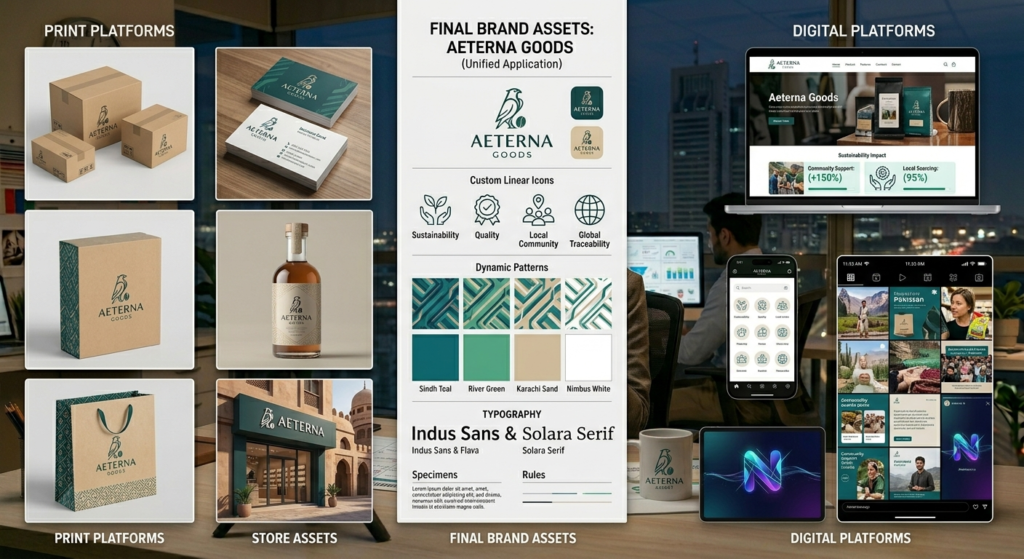
Step 5: Design Execution
Now the actual design begins.
Designers work on:
- Colors
- Typography
- Images
- Icons
- Branding elements
This is where the concept becomes a visual product.
Learn more:
What Makes a Good Logo? Design Principles Explained for Businesses
Step 6: Feedback & Revisions
No design is perfect on the first try.
Clients review the design and request:
- Changes
- Adjustments
- Improvements
Good agencies manage this process professionally to avoid confusion.
Step 7: Finalization & Approval
Once revisions are complete, the final design is approved.
At this stage:
- Files are prepared
- Formats are optimized
- Quality checks are done
Step 8: Delivery of Final Assets
Design files are delivered in required formats such as:
- PNG
- JPG
- Source files (AI/PSD)
Related:
Graphic Design Packages Explained for Business Owners
Step 9: Implementation Across Platforms
Design is then used across:
- Social media
- Websites
- Print materials
- Ads
Consistency is key for brand recognition.
Explore:
Brand Visual Identity: Why Consistent Design Matters in 2026
Step 10: Performance Evaluation
The final step is measuring results.
Businesses track:
- Engagement
- Conversions
- Customer feedback
- ROI
Read:
Graphic Design ROI: How to Measure Design Performance in Business
Common Mistakes in the Design Process
1. Skipping Research
Leads to weak and ineffective designs.
2. Poor Communication
Misunderstanding the brief causes delays.
3. Ignoring Feedback
Results in repeated revisions and frustration.
Related:
Common Graphic Design Mistakes That Hurt Your Brand

Freelancer vs Agency Workflow Differences
- Freelancers → simpler, faster process
- Agencies → structured, multi-step professional workflow
Read:
Freelance Designer vs Design Agency: Which Is Better for Your Business?
Why Businesses Should Understand This Process
Knowing the process helps you:
- Set realistic expectations
- Communicate better with designers
- Avoid wasted budget
- Get higher-quality results
Explore:
Graphic Design Services for Small Businesses: What You Really Need
External Resources
- https://www.adobe.com – Professional design tools
- https://www.behance.net – Design inspiration and portfolios
- https://www.canva.com – Easy design workflow tools
Conclusion
The graphic design process is not just about creativity, it’s a structured system that ensures your business gets high-quality, effective visuals.
From research to final delivery, every step plays a role in building a strong, consistent brand.
Businesses that understand this process get better designs, faster delivery, and stronger ROI.
FAQs
What is the first step in the graphic design process?
It starts with understanding the client brief and business goals.
Why is research important in design?
Because it ensures the design aligns with market trends and audience expectations.
How long does the design process take?
It depends on the project, but typically ranges from a few days to several weeks.
Can I skip revisions in the design process?
No, revisions are essential to refine and improve the final design.