Introduction
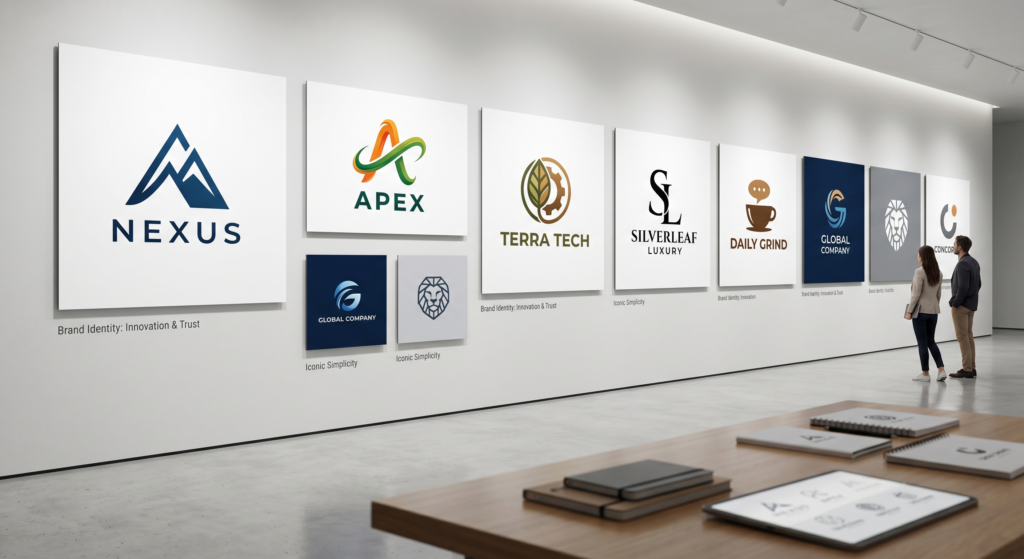
Color is one of the most powerful elements in branding. Before a customer reads your business name or understands your message, they first notice color. In fact, research shows that up to 90% of snap judgments about products can be based on color alone.
That is why logo color psychology plays a critical role in shaping how people perceive your brand. Whether you are launching a startup or redesigning an existing identity, choosing the right logo colors can influence trust, emotions, and buying decisions.
In this guide, we will explore how color psychology works, what different colors represent, and how to choose the best logo colors for your business in 2026.
What Is Logo Color Psychology?
Logo color psychology is the study of how different colors influence human emotions and behavior in branding and design.
Each color triggers specific feelings in the human brain. For example:
- Blue often creates trust and security
- Red creates excitement and urgency
- Green represents growth and balance
Brands use these emotional triggers strategically to connect with their audience.
This is why global companies carefully select their branding colors, it is not just design, it is psychology.
Why Logo Colors Matter for Your Brand
Your logo is the face of your business. The colors you choose affect:
- Brand recognition
- Customer trust
- Emotional connection
- Purchase decisions
- Industry positioning
For example, a financial company using bright neon colors may lose credibility, while a tech startup using calm blue tones can appear more trustworthy.
If you are unsure how color impacts branding identity, explore our detailed guide on Brand Identity vs Brand Image: How to Align Both for a Stronger Brand (2026)
Meaning of Popular Logo Colors
🔵 Blue – Trust, Stability, Professionalism
Blue is widely used in banking, tech, and corporate industries. It represents trust and reliability.
Best for: Finance, tech, healthcare
🔴 Red – Energy, Passion, Urgency
Red creates strong emotional reactions. It grabs attention and increases excitement.
Best for: Food brands, entertainment, retail
🟢 Green – Growth, Health, Nature
Green is associated with sustainability and balance.
Best for: Eco brands, healthcare, agriculture
🟡 Yellow – Optimism, Happiness, Creativity
Yellow feels friendly and youthful but should be used carefully in professional industries.
Best for: Kids brands, creative agencies
⚫ Black – Luxury, Power, Elegance
Black represents sophistication and premium quality.
Best for: Fashion, luxury, high-end services
🟣 Purple – Creativity, Royalty, Imagination
Purple is often used for premium and creative branding.
Best for: Beauty, luxury, creative industries
How to Choose the Right Logo Colors for Your Brand
1. Understand Your Brand Personality
Ask:
- Is my brand serious or playful?
- Premium or affordable?
- Traditional or modern?
2. Study Your Industry
Different industries have color expectations. For example:
- Finance = Blue
- Food = Red/Yellow
- Health = Green
3. Know Your Target Audience
Younger audiences prefer bold, vibrant colors while professional audiences prefer muted tones.
4. Consider Cultural Meaning
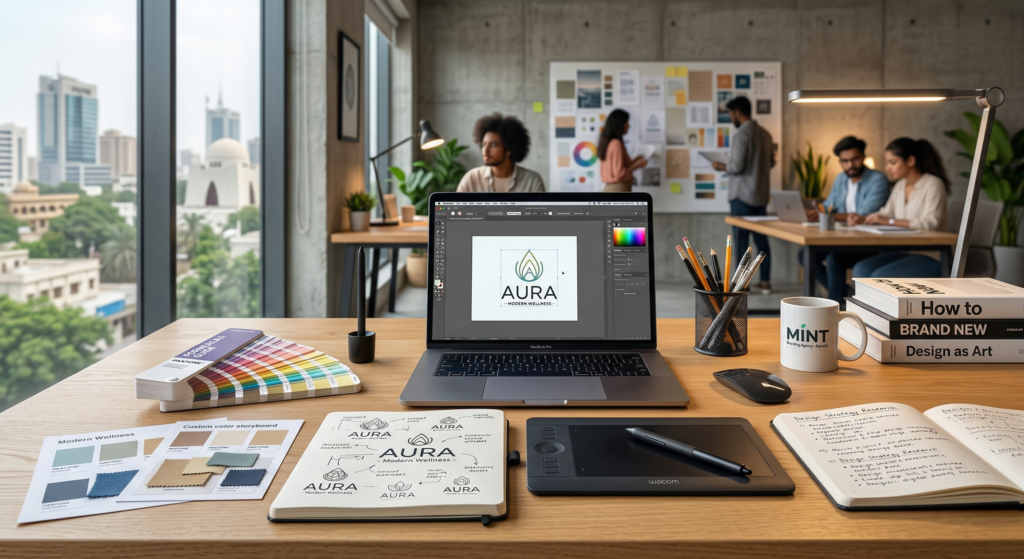
Colors may have different meanings in different regions. Always research your target market.
5. Keep It Simple
Most strong brands use 1–3 colors maximum.
Common Mistakes in Logo Color Selection
- Using too many colors
- Ignoring industry standards
- Choosing colors based on personal preference only
- Not testing how colors look in black & white
- Poor contrast and readability
If you are building a startup, avoid these issues by reading our guide on Logo Design for Startups: Avoid These Costly Mistakes
Logo Color Trends in 2026
Modern branding trends show:
- Gradient color combinations
- Minimalist monochrome logos
- Soft pastel branding
- High contrast bold palettes
- AI-generated color palettes
However, trends should never replace strategy. Your logo should remain timeless.
Why Professional Logo Design Matters
A professionally designed logo ensures that color psychology is applied strategically, not randomly.
If you want a strong brand identity, check our Logo Design Services Page
Professional designers consider:
- Psychology
- Industry standards
- Color harmony
- Scalability
- Brand positioning
External References
Here are some useful resources to understand color psychology better:
- https://www.interaction-design.org/literature/topics/color-psychology
- https://99designs.com/blog/tips/logo-color-psychology/
- https://www.canva.com/colors/color-meanings/
- https://www.smashingmagazine.com/2016/04/psychology-color-web-design/
- https://www.adobe.com/creativecloud/design/discover/color-theory.html
Conclusion
Logo color psychology is not just about aesthetics, it is about communication. The right colors can build trust, increase recognition, and influence customer behavior.
When choosing your logo colors, always consider your industry, audience, and brand personality. A well-thought-out color strategy can make your brand stand out in a crowded marketplace.
If you want a professional, psychology-driven logo design, investing in expert branding services is the smartest step forward.
FAQs
What is logo color psychology?
Logo color psychology is the study of how colors influence emotions and perceptions in branding and logo design.
How many colors should a logo have?
Most effective logos use 1 to 3 colors to maintain simplicity, recognition, and scalability.
Which color is best for a business logo?
There is no single best color. It depends on your industry, audience, and brand personality.
Can logo colors affect sales?
Yes. Colors can influence emotions, trust, and purchasing decisions, which directly impacts sales and brand perception.