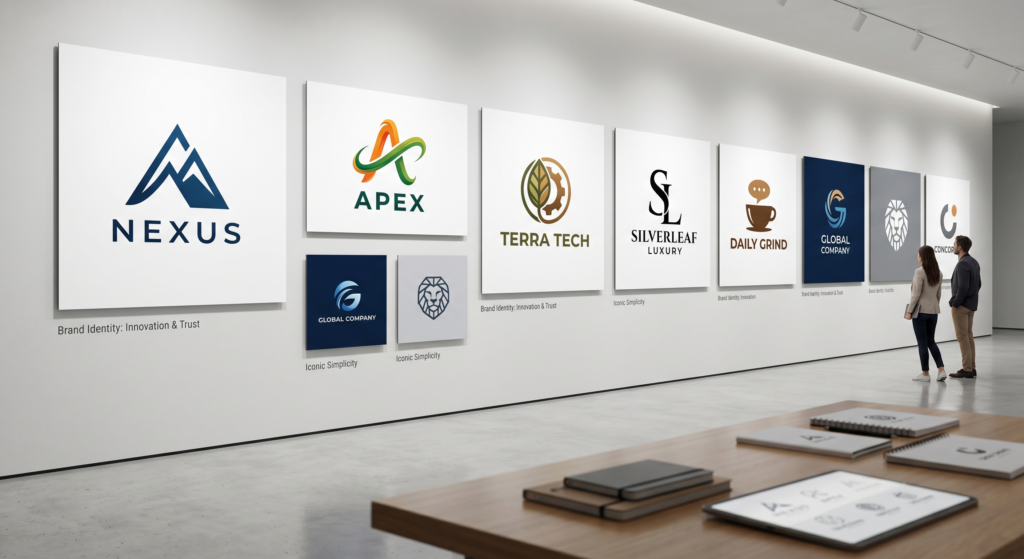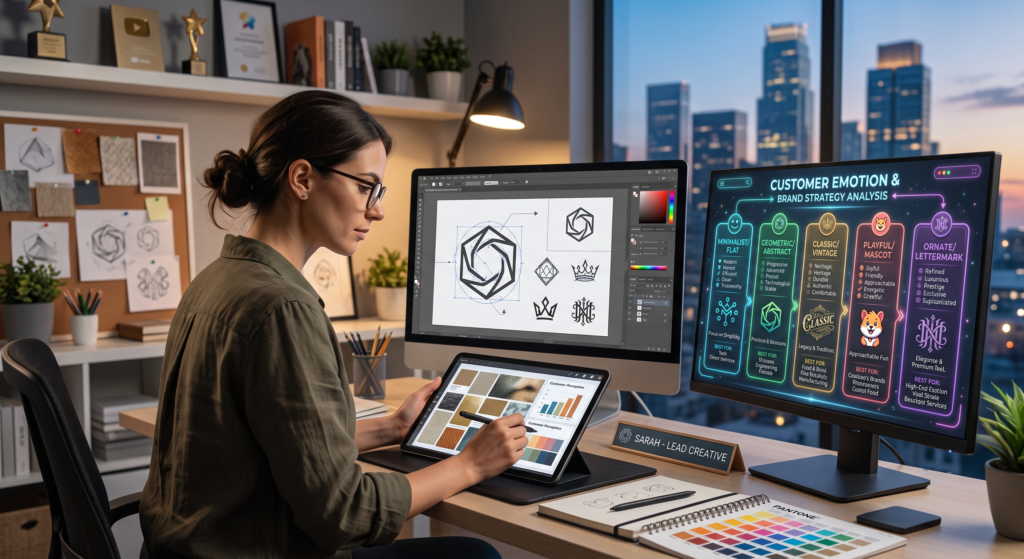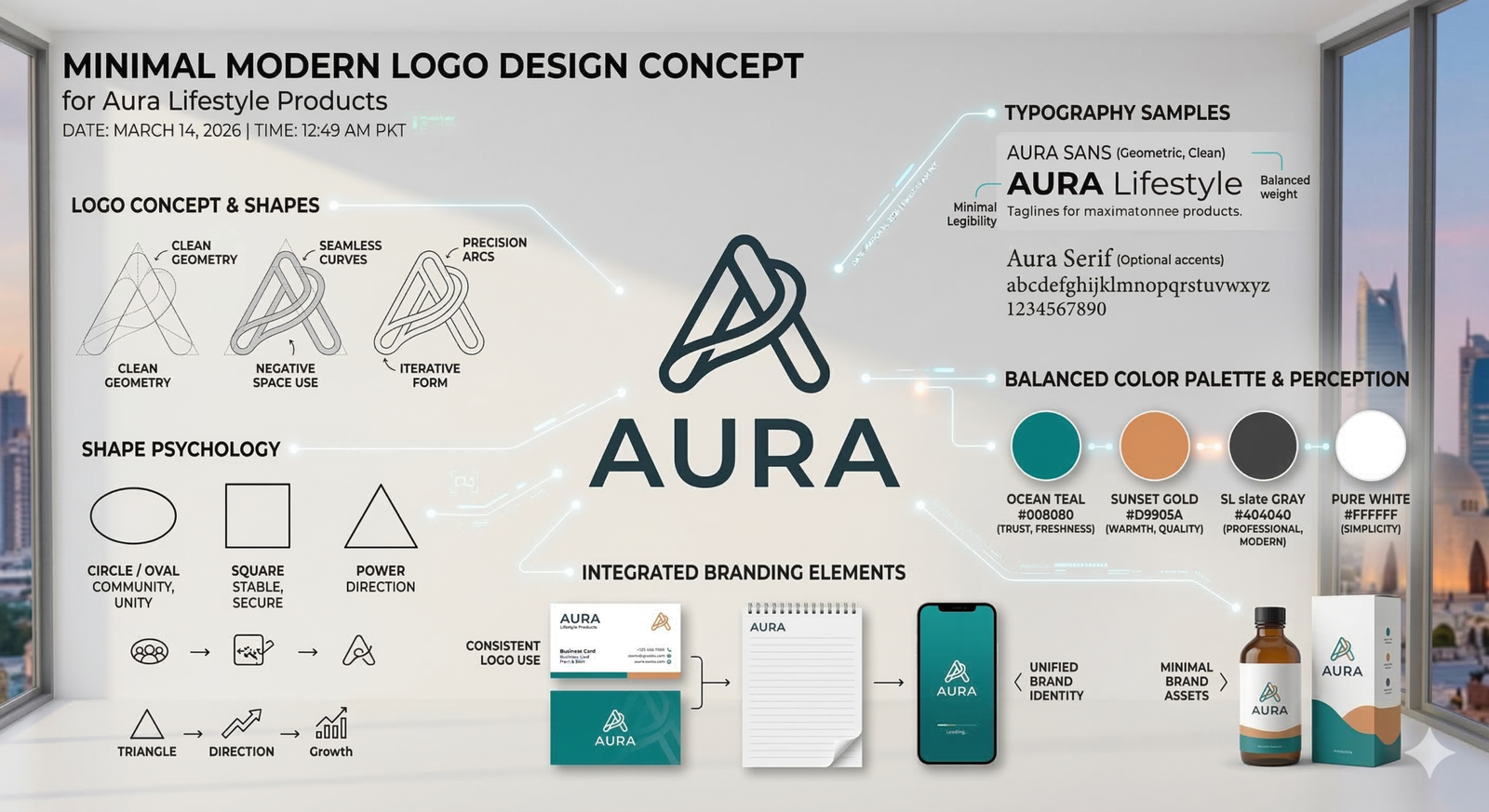
A logo is more than just a visual symbol — it’s a powerful psychological tool that influences how customers perceive and trust a brand. The most successful logos are carefully designed to create emotional connections, build credibility, and encourage customer engagement.
Businesses that understand logo design psychology can create branding that not only looks attractive but also strengthens customer trust and improves conversions.
In this guide, we’ll explore how to design a logo that converts using proven design psychology principles.
Why Logo Design Psychology Matters in Branding
Human decisions are strongly influenced by visual perception. Colors, shapes, and typography trigger psychological responses that affect how people view a brand.
A well-designed logo can help businesses:
- Build instant brand recognition
- Create emotional connections with customers
- Improve brand credibility
- Influence purchasing decisions
For example, many globally recognized brands use simple but psychologically powerful logos, including Apple Inc., Nike, and FedEx.
These brands rely on strong visual psychology to create memorable and trustworthy identities.
If you’re building a new brand, you may also want to read Why a Professional Logo Is Critical for Brand Success.
Use Color Psychology to Influence Emotions
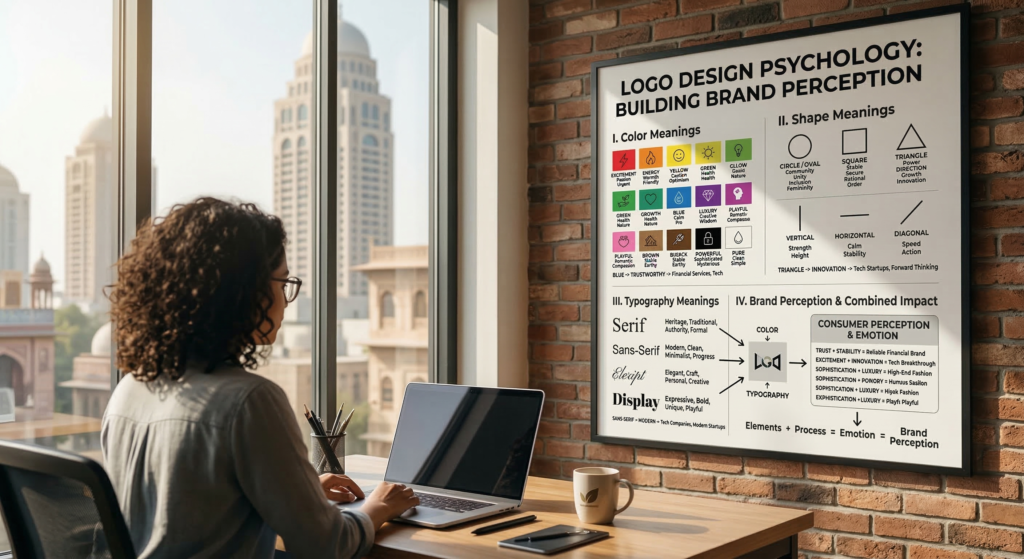
Color is one of the most important elements in logo design. Different colors trigger different emotional responses.
Common examples include:
- Blue – Trust, professionalism, reliability
- Red – Energy, passion, urgency
- Green – Growth, health, sustainability
- Black – Luxury, sophistication, power
- Yellow – Optimism and creativity
Choosing the right color combination helps align your logo with your brand personality.
You can learn more about color theory here:
https://www.interaction-design.org/literature/topics/color-psychology
Businesses should also ensure their color choices match their industry, as explained in How to Choose the Best Logo for Your Business Industry in 2026.
Choose Shapes That Communicate Meaning
Shapes also influence how customers interpret a brand.
For example:
- Circles often represent unity and community
- Squares and rectangles convey stability and professionalism
- Triangles suggest innovation and energy
These subtle visual cues help customers subconsciously associate certain qualities with a brand.
Many famous logos use shapes strategically. For instance, Pepsi uses a circular design to represent balance and movement.
Keep Your Logo Simple and Memorable
One of the most effective principles in logo design is simplicity. Simple logos are easier for customers to recognize and remember.
Some of the most successful logos in the world are extremely minimal, such as:
- Nike
- Apple Inc.
- McDonald’s
Complex logos often confuse customers and fail to create strong brand recall.
If you want to avoid common design errors, read Top 10 Logo Design Mistakes That Kill Your Brand Credibility.
Use Typography That Reflects Brand Personality
Typography plays a major role in logo psychology.
Different fonts communicate different messages:
- Serif fonts – traditional and trustworthy
- Sans-serif fonts – modern and clean
- Script fonts – elegant and creative
Choosing the wrong typography can create confusion about your brand identity.
Professional designers carefully match typography with brand personality to create consistent visual messaging.
Design for Versatility and Scalability
A converting logo must work across multiple platforms and sizes.
Your logo should look professional on:
- Websites
- Social media profiles
- Packaging
- Business cards
- Billboards
Scalable logos maintain clarity whether displayed small or large.
Businesses investing in professional branding often receive logo packages optimized for multiple formats.
You can explore this further in Logo Design Packages Explained for Business Owners.
Create Emotional Brand Connection
The most effective logos go beyond aesthetics — they create emotional connections with customers.
For example:
- Luxury brands often use minimal black logos
- Technology brands use modern and futuristic designs
- Children’s brands use playful colors and shapes
This emotional alignment helps customers feel connected to the brand.
You can also learn more about brand psychology at
https://www.nngroup.com/articles/brand-experience/

Test Your Logo Before Finalizing
Before launching your logo, it’s important to test how people perceive it.
Businesses can test logos by:
- Gathering feedback from target audiences
- Testing different color versions
- Checking visibility on mobile devices
- Reviewing scalability across marketing materials
Testing ensures your logo communicates the right message and performs well across different platforms.
Conclusion
A powerful logo combines design creativity with psychological strategy. By carefully selecting colors, shapes, typography, and simplicity, businesses can create logos that strengthen brand credibility and influence customer behavior.
Logos that apply design psychology effectively are more likely to build recognition, trust, and long-term customer loyalty.
For businesses looking to grow their brand in 2026, investing in professionally designed, psychologically optimized logos can significantly improve brand perception and marketing results.
FAQs
What makes a logo effective for conversions?
An effective logo uses the right combination of colors, shapes, and typography to create trust and emotional connection with customers.
Why is color psychology important in logo design?
Colors influence how customers feel about a brand and can affect their purchasing decisions.
Should a logo be simple or complex?
Simple logos are usually more effective because they are easier to recognize, remember, and reproduce across different platforms.
Can a logo really influence customer behavior?
Yes. A well-designed logo strengthens brand recognition, builds credibility, and can positively influence customer perception and trust.