Logo Design Mistakes That Kill Your Brand
A logo is often the first thing people notice about a brand. It represents your company’s identity and helps customers recognize and remember your business. However, many companies underestimate the importance of professional logo design and end up with logos that weaken their brand image.
A poorly designed logo can make a business look unprofessional, outdated, or unreliable. In competitive markets, even small design mistakes can negatively impact how customers perceive your brand.
In this guide, we’ll explore the top 10 logo design mistakes that can harm your brand credibility and how businesses can avoid them.
1. Using Generic or Template Logos
Many businesses use pre-made logo templates because they are cheap and quick. While templates may seem convenient, they often lack originality and uniqueness.
A generic logo makes it difficult for customers to distinguish your brand from competitors. Unique branding is essential for building recognition and trust.
If you’re deciding between custom and pre-made designs, read Custom Logo vs Template Logo: Which Is Better for Your Business?
2. Overly Complex Logo Design
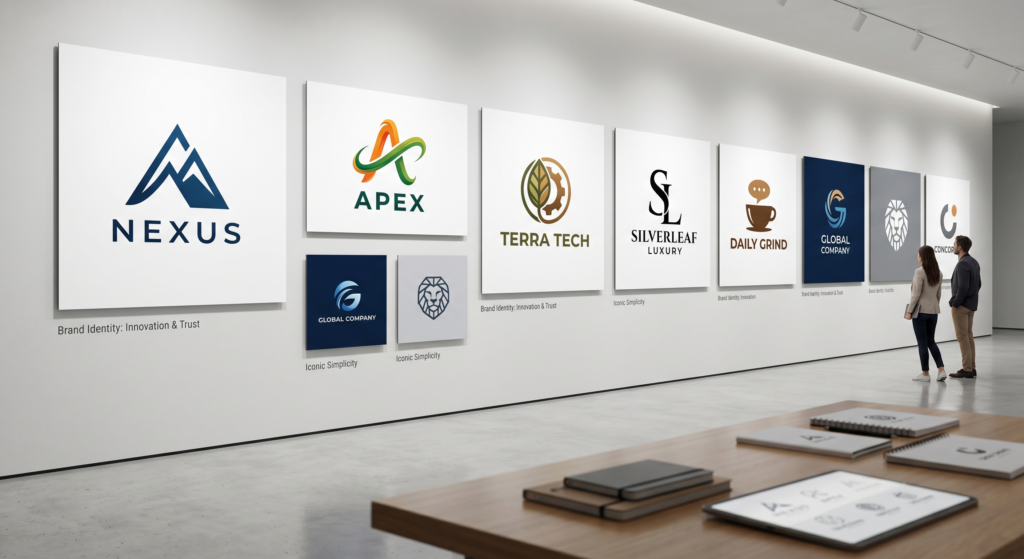
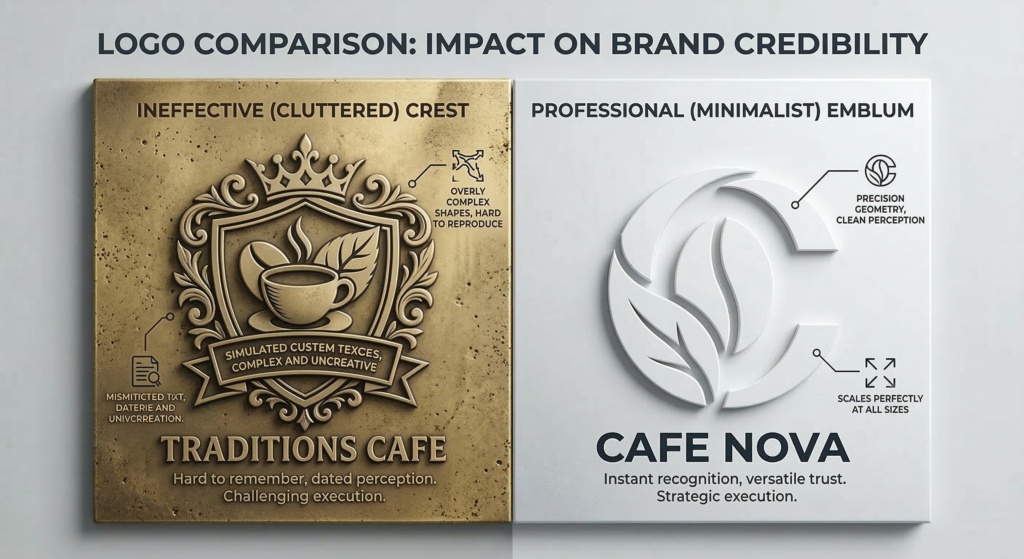
A good logo should be simple and easy to recognize. Logos that include too many elements, colors, or fonts can look confusing and cluttered.
Simple logos are easier to remember and work better across different platforms such as websites, social media, and printed materials.

Many successful brands follow the principle of simplicity. For example, the logos of Apple Inc., Nike, and McDonald’s are instantly recognizable because of their clean and minimal designs.
3. Choosing the Wrong Colors
Colors play a major role in brand perception. Poor color choices can make a logo difficult to read or visually unpleasant.
Different colors also communicate different emotions:
- Blue represents trust and reliability
- Red symbolizes energy and passion
- Green is associated with growth and sustainability
Businesses should select colors that match their brand identity and industry.
You can learn more about effective design approaches in What Makes a Good Logo? Design Principles Explained for Businesses.
4. Using Too Many Fonts
Typography is a critical part of logo design. Using multiple fonts in a logo can make it look messy and unprofessional.
Most strong logos use one or two fonts at most to maintain clarity and consistency. If typography is not handled properly, the logo may appear unbalanced or difficult to read.
5. Poor Scalability
A logo must look good in different sizes and formats. Some logos appear clear on a website but become unreadable when printed on business cards or small social media icons.
A professionally designed logo should work well across:
- Websites
- Social media profiles
- Packaging
- Business cards
- Billboards
Ensuring scalability is one of the reasons why businesses invest in Professional Logo Design Services: What Businesses Should Expect.
6. Following Trends Too Closely
Design trends can make logos look modern, but blindly following trends can make them outdated very quickly.
For example, a logo that relies heavily on current trends may look outdated within a few years. Instead, businesses should aim for timeless designs that remain effective long-term.
You can explore current design trends in Logo Design Trends That Make Brands Stand Out in 2026.
7. Ignoring Brand Identity
Your logo should reflect your brand’s personality, values, and industry.
For example:
- A law firm requires a professional and formal logo
- A children’s brand needs a playful and colorful design
- A technology company often prefers modern and minimal branding
A logo that does not match your brand identity can confuse customers and weaken brand positioning.
8. Poor Quality Design Files
Many businesses receive logo files that are not suitable for professional use.
Low-quality files can cause problems when printing large banners or marketing materials.
Professional logos should be delivered in vector formats, which maintain quality regardless of size.
You can learn more about professional design standards at
https://www.adobe.com/creativecloud/design/discover/logo-design.html
9. Copying Other Brand Logos
Some businesses try to imitate well-known brands to appear more established. However, copying or heavily resembling another logo can damage your credibility and even create legal issues.
Unique branding is essential for building trust and recognition.
For example, well-known brands like Coca-Cola and Amazon have distinctive logos that customers instantly recognize worldwide.
10. Prioritizing Price Over Quality
One of the biggest mistakes businesses make is choosing the cheapest logo design option.
Low-cost designs often result in:
- Generic templates
- Poor design quality
- Limited revisions
- Lack of brand strategy
While a cheap logo may save money initially, it can harm brand credibility and require a costly redesign later.
You can explore this topic further in Why Cheap Logos Hurt Brand Credibility in 2026.
Conclusion
A logo is one of the most important visual elements of a brand. Avoiding common design mistakes can help businesses create a strong and professional identity that builds trust with customers.
By focusing on simplicity, originality, proper typography, and scalable design, businesses can develop logos that remain effective for years.
Investing in professional logo design ensures that your brand stands out and leaves a positive impression on your audience.
FAQs
Why is logo design important for brand credibility?
A professional logo helps businesses appear trustworthy and memorable, while a poorly designed logo can damage brand perception.
What is the most common logo design mistake?
One of the most common mistakes is using generic or template logos that lack originality.
How simple should a logo be?
A logo should be simple enough to be easily recognizable while still reflecting the brand’s identity.
Should businesses follow logo design trends?
Trends can be helpful for inspiration, but logos should prioritize timeless design rather than temporary trends.