
Many businesses build a website…
But very few build a website that actually generates leads.
There’s a big difference between:
❌ A website that “looks good”
✅ A website that brings inquiries, calls, and sales
In 2026, website development is not just about design — it’s about strategy, structure, and psychology.
Website Development for Lead Generation is too important. If you’re still relying only on social platforms, you may want to read:
Why a Website Is Better Than Social Media Alone for Businesses (2026)
Now let’s break down how to build a lead-generating website properly.
What Is a Lead Generation Website?
A lead generation website is built with one main goal:
Turn visitors into potential customers.
Unlike basic informational websites, these websites are structured to:
- Capture contact details
- Encourage inquiries
- Drive bookings
- Generate quote requests
- Push consultation calls
If your website exists but doesn’t bring inquiries, you might relate to:
Signs Your Business Website Is Hurting Sales
Best Practices for Website Development for Lead Generation
1. Clear Value Proposition Above the Fold
Within 5 seconds, visitors should understand:
- What you do
- Who you help
- Why you’re better
Your homepage hero section should include:
- Strong headline
- Short benefit-focused description
- Clear CTA button (Get Quote, Book Consultation, Contact Us)
According to Nielsen Norman Group, users scan pages quickly and decide almost instantly whether to stay.
If your value isn’t clear, they leave.
2. Strong & Strategic Call-To-Actions (CTAs)
A lead-generation website doesn’t rely on just one “Contact Us” button.
It strategically places:
- Header CTA
- Mid-content CTA
- Footer CTA
- Sticky button
- Lead magnets (Free audit, Free consultation)
The goal is simple:
Make taking action easy.
3. Conversion-Focused Website Structure
Many businesses confuse design with performance.
A lead generation structure usually includes:
- Homepage (Problem + Solution focused)
- Service Pages (Clear benefits & outcomes)
- About Page (Trust building)
- Case Studies / Portfolio
- Testimonials
- Contact Page with optimized form
If you’re unsure about structure differences, read:
Website Design vs Development: What Your Business Needs
4. Optimized Lead Capture Forms
Forms should be:
✔ Simple
✔ Short
✔ Clear
✔ Mobile-friendly
Asking too many fields reduces conversions.
Tools like HubSpot highlight that reducing form fields often increases conversion rates significantly.
Best practice:
- Name
- Phone
- Short message
That’s enough.
5. Mobile Optimization Is Non-Negotiable
More than half of website traffic comes from mobile.
Search engines like Google prioritize mobile-first indexing.
If your site:
- Loads slowly
- Has broken layout
- Has difficult forms
You are losing leads daily.
If you’re not sure your website performs well, also read:
SEO-Friendly Website Design: Best Practices for Higher Rankings
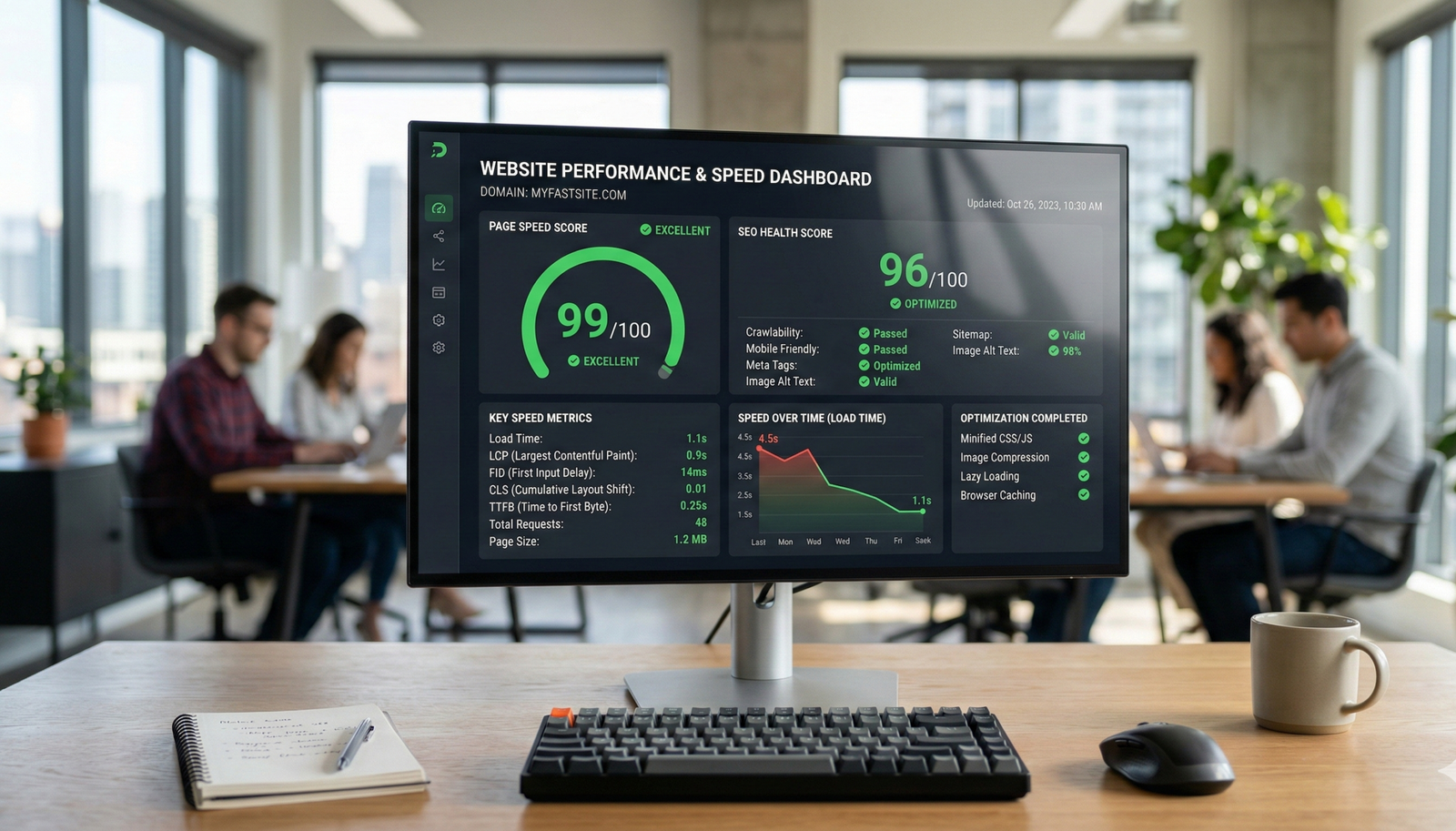
6. Speed & Performance Optimization
Speed directly impacts conversions.
A slow website:
- Increases bounce rate
- Reduces trust
- Lowers search ranking
You can test speed using tools like GTmetrix.
Best practices:
- Image compression
- Clean code
- Proper hosting
- Caching system
7. Build Trust Signals
Visitors won’t give contact details unless they trust you.
Add:
- Testimonials
- Client logos
- Google reviews
- Case studies
- Certifications
- Real team photos
Trust reduces hesitation.
If your current website feels outdated, you might need:
When Should a Business Redesign Its Website?
8. SEO + Lead Strategy Combined
Traffic alone is useless without conversions.
Your website must:
- Target commercial keywords
- Have optimized service pages
- Include clear CTAs
- Guide users step-by-step
If you want to understand how development impacts growth, read:
How Professional Website Development Helps Your Business Grow
Common Mistakes That Kill Lead Generation
❌ No clear CTA
❌ Too much text, no structure
❌ No trust signals
❌ Slow loading
❌ Poor mobile experience
❌ Generic homepage copy
❌ Complicated forms
Many businesses face this problem, which is why:
Why Most Business Websites Don’t Convert (And How to Fix It)
Should You Use WordPress or Custom Development?
Both can work for lead generation.
Platforms like WordPress are excellent for SEO and flexibility.
Custom websites offer:
- Better scalability
- Advanced integrations
- Unique UI/UX
If you’re comparing both options:
Custom Website vs WordPress: Which Is Better for Business Growth?
Final Thoughts
A lead-generating website is not about flashy design.
It’s about:
- Strategy
- Psychology
- Structure
- Speed
- Trust
- Simplicity
If your website is just “online” but not producing inquiries, then it’s not doing its job.
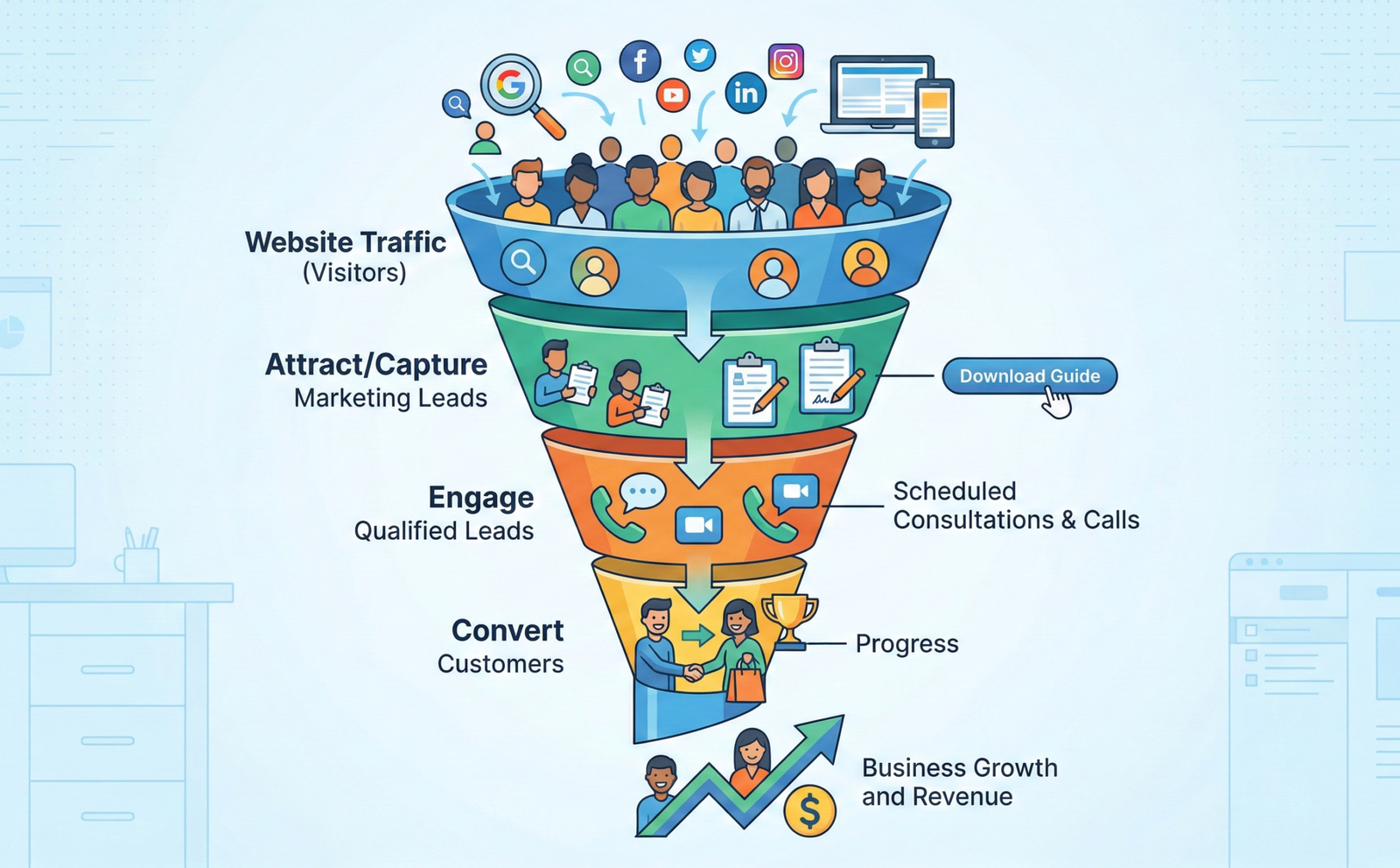
Your website should work like a 24/7 sales machine — capturing, nurturing, and converting visitors.
If you’re looking for professional help, explore our Website Development Services to see how we build conversion-focused business websites.
FAQs
What is website development for lead generation?
It is the process of building a website specifically designed to capture inquiries, generate leads, and convert visitors into potential customers.
How can I make my website generate more leads?
Improve CTAs, simplify forms, optimize speed, enhance trust signals, and focus on user experience.
Is SEO important for lead generation websites?
Yes. Without traffic, there are no leads. SEO brings targeted visitors who are actively searching for your services.
How long does it take to see results?
If SEO is implemented properly, you may start seeing inquiries within a few months depending on competition and strategy.