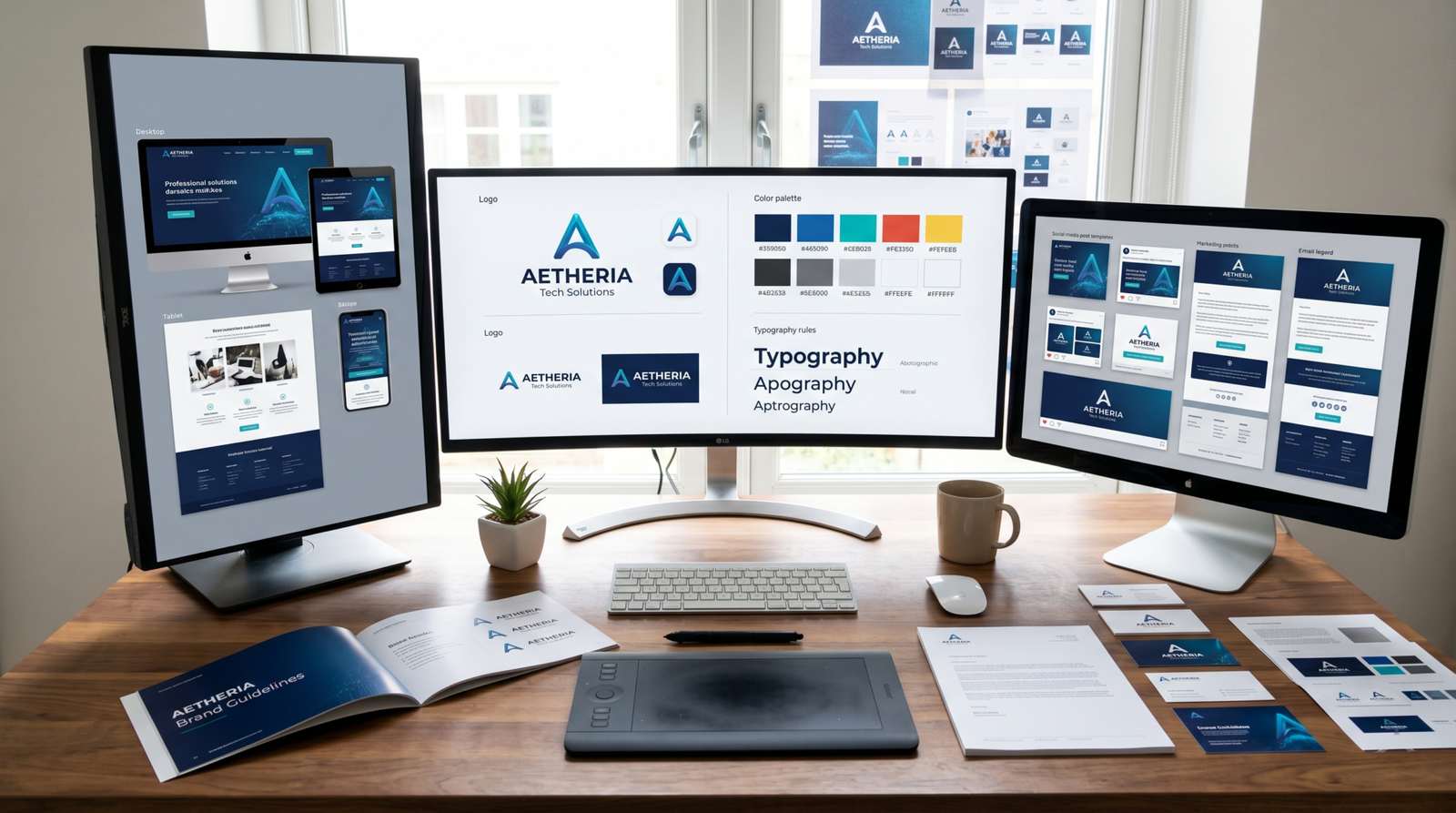
Rebranding Guide for Businesses
Every successful business evolves over time. Markets change, customer expectations shift, products expand, and competition grows stronger. While growth is positive, it can sometimes create a gap between what a business has become and how customers perceive it.
This is where rebranding becomes important.
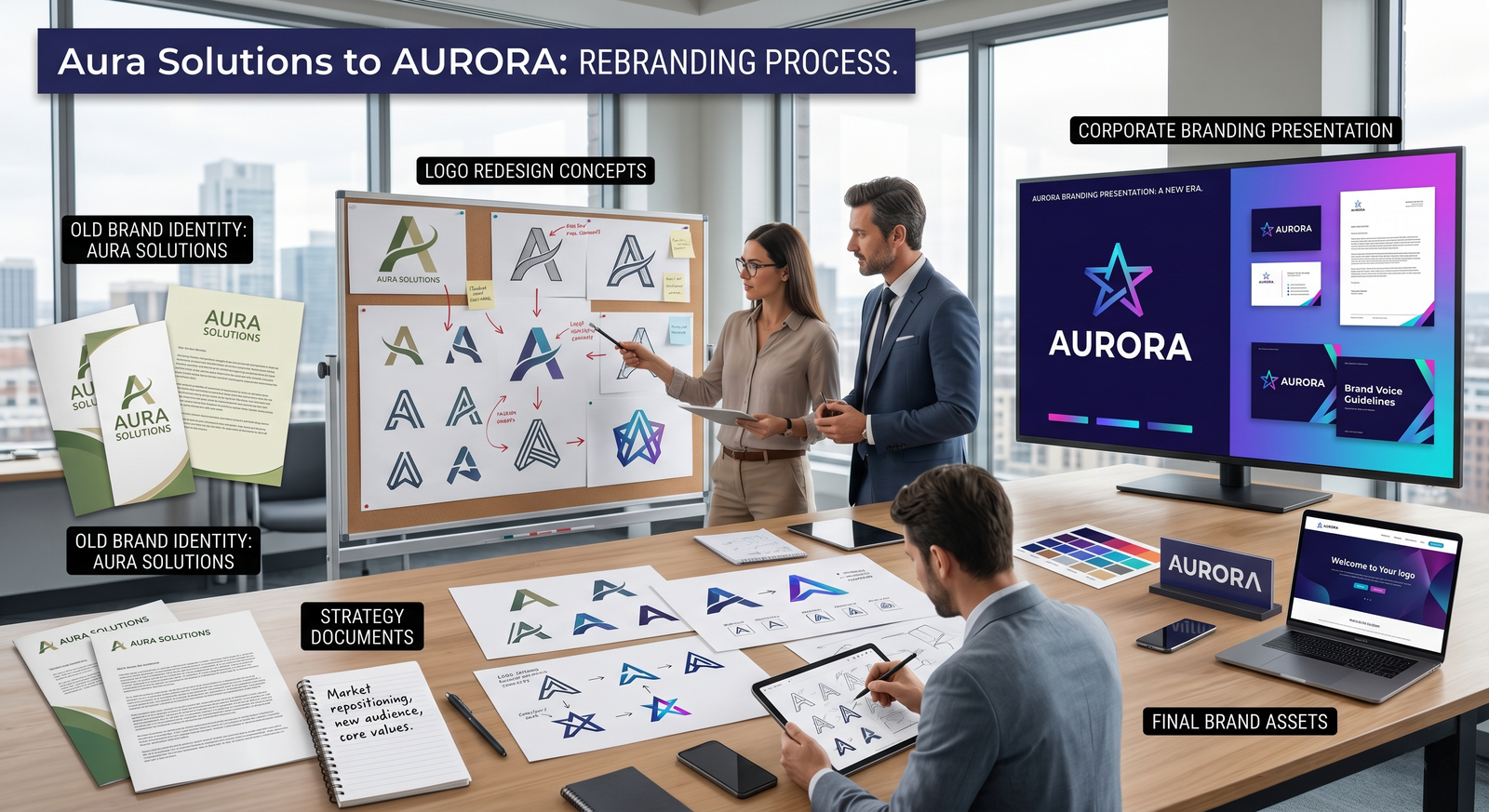
Many business owners think rebranding simply means designing a new logo. In reality, effective rebranding is a strategic process that may involve updating your visual identity, brand messaging, positioning, customer experience, and overall market perception.
Some of the world’s most recognizable companies have undergone major rebranding initiatives to remain relevant and competitive. When executed correctly, rebranding can strengthen customer trust, increase market share, attract new audiences, and support long-term growth.
In this comprehensive guide, you’ll learn when a business should consider rebranding, the different types of rebranding, step-by-step implementation strategies, common mistakes to avoid, costs involved, and real-world examples of successful brand transformations.
What Is Rebranding?
Rebranding is the process of changing how a business is perceived by its audience.
It may involve updates to:
- Logo
- Brand identity
- Brand messaging
- Positioning
- Visual design
- Company values
- Customer experience
- Marketing materials
The goal is to create a stronger connection between the business and its target market.
A successful rebrand isn’t just about looking different, it’s about becoming more relevant, memorable, and competitive.
Related Reading:
Internal Link: What Is Branding? Definition, Importance & Real Examples (2026)
Why Businesses Rebrand
Businesses rebrand for many reasons.
Common motivations include:
Business Growth
A company may outgrow its original branding.
Market Expansion
Entering new markets often requires updated positioning.
Outdated Brand Image
Visual styles that worked years ago may no longer appeal to modern customers.
Increased Competition
A stronger brand can help differentiate a business.
Mergers and Acquisitions
Combining companies often requires unified branding.
Reputation Recovery
Businesses sometimes rebrand after negative publicity.
Signs Your Business Needs Rebranding
Not every business needs a rebrand.
However, these warning signs often indicate it’s time for change.
Your Branding Looks Outdated
Design trends evolve.
An outdated brand may appear less professional or trustworthy.
Customers Don’t Understand Your Value
Confusing messaging often indicates positioning problems.
You’ve Changed Products or Services
Your brand should reflect what your business offers today.
You’re Targeting a New Audience
New customer segments may require a different brand approach.
Competitors Look More Modern
Brand perception heavily influences buying decisions.
Related Reading:
Internal Link: Signs Your Business Needs Professional Branding
Types of Rebranding
Not all rebranding projects are the same.
Partial Rebrand
Updates only selected brand elements.
Examples:
- Logo redesign
- New color palette
- Website refresh
Best for:
- Growing businesses
- Modernization efforts
Complete Rebrand
Transforms the entire brand identity.
Includes:
- New positioning
- New messaging
- New visual identity
- New customer experience
Best for:
- Major business changes
- Market repositioning
Brand Refresh vs Full Rebranding
Many businesses don’t need a complete rebrand.
| Brand Refresh | Full Rebrand |
|---|---|
| Minor visual updates | Complete transformation |
| Low risk | Higher risk |
| Faster implementation | Longer timeline |
| Lower cost | Higher investment |
| Existing positioning remains | New positioning often required |
Related Reading:
Internal Link: Brand Visual Identity: Why Consistent Design Matters in 2026
Benefits of Rebranding
When executed strategically, rebranding can generate significant business value.
Improved Brand Perception
Modern branding creates stronger first impressions.
Increased Customer Trust
Professional branding often increases credibility.
Better Market Positioning
Rebranding helps businesses differentiate themselves.
Higher Sales Opportunities
A stronger brand can influence purchase decisions.
Enhanced Brand Recognition
Consistent and memorable branding improves recall.
Related Reading:
Internal Link: How Strong Branding Increases Trust and Sales in 2026
Risks of Rebranding
Rebranding isn’t without challenges.
Potential risks include:
Losing Existing Recognition
Customers may not immediately recognize the new brand.
Customer Resistance
Long-time customers may dislike changes.
Inconsistent Rollout
Poor implementation can create confusion.
Lack of Strategy
Changing visuals without strategic planning rarely produces results.
Step-by-Step Rebranding Process
Step 1: Audit Your Current Brand
Evaluate:
- Brand perception
- Customer feedback
- Visual identity
- Competitor positioning
Questions to ask:
- What’s working?
- What’s outdated?
- What needs improvement?
Related Reading:
Internal Link: Complete Branding Checklist for Growing Businesses in 2026
Step 2: Define Rebranding Goals
Examples:
- Attract new customers
- Improve credibility
- Expand into new markets
- Increase brand awareness
Clear goals guide decision-making.
Step 3: Conduct Market Research
Understand:
- Customer expectations
- Industry trends
- Competitor strategies
Research reduces guesswork.

Step 4: Develop Brand Strategy
This includes:
- Mission
- Vision
- Values
- Positioning
- Messaging
Related Reading:
Internal Link: Brand Strategy 101: How to Build a Brand That Lasts (2026)
Step 5: Create New Brand Identity
Visual elements may include:
- Logo
- Colors
- Typography
- Imagery
- Graphic systems
Related Reading:
Internal Link: How to Build a Strong Visual Brand Identity from Scratch (2026 Guide)
Step 6: Update Brand Messaging
Ensure consistency across:
- Website
- Social media
- Advertising
- Sales materials
- Customer communications
Step 7: Create Brand Guidelines
Document:
- Logo usage
- Color standards
- Typography
- Voice and tone
- Visual rules
Related Reading:
Internal Link: How to Create a Brand Style Guide (With Structure)
Step 8: Launch the Rebrand
Communicate changes clearly.
Channels may include:
- Website announcements
- Social media
- Email campaigns
- Press releases
Transparency helps customers understand the transition.
Practical Example
Imagine a local software company originally serving small businesses.
Over time it expands into enterprise software solutions.
Old Branding
- Casual logo
- Informal messaging
- Startup-focused identity
New Branding
- Professional visual identity
- Enterprise-focused messaging
- Stronger market positioning
Result:
Improved credibility among larger organizations and higher-value clients.
Rebranding Costs Explained
Rebranding investment varies significantly.
| Business Size | Estimated Rebranding Cost |
|---|---|
| Small Business | $500 – $5,000 |
| Growing Company | $5,000 – $25,000 |
| Mid-Sized Business | $25,000 – $100,000 |
| Enterprise | $100,000+ |
Costs may include:
- Research
- Brand strategy
- Logo design
- Website updates
- Marketing materials
- Launch campaigns
Related Reading:
Internal Link: How Much Does Branding Cost in 2026? (Complete Pricing Guide)
Successful Rebranding Examples
Apple
Evolved from a niche computer company into a global lifestyle technology brand.
Airbnb
Shifted from accommodation listings to a broader belonging-focused brand experience.
Burberry
Modernized its image to appeal to younger luxury consumers.
Common Success Factors
- Clear strategy
- Consistent implementation
- Customer-focused messaging
- Strong visual identity
Related Reading:
Internal Link: Branding Examples: 25 Famous Brands and Why They Work (2026)

Common Rebranding Mistakes
Rebranding Without Research
Leads to poor decisions.
Focusing Only on the Logo
A logo alone doesn’t define a brand.
Ignoring Existing Customers
Current customers should remain part of the strategy.
Inconsistent Rollout
Mixed branding creates confusion.
Following Trends Blindly
Trendy branding can quickly become outdated.
Related Reading:
Internal Link: Top Branding Mistakes That Hurt Business Growth
Complete Rebranding Checklist
Strategy
- Define objectives
- Conduct research
- Analyze competitors
Identity
- Update logo
- Refresh colors
- Select typography
Messaging
- Refine brand voice
- Update positioning
- Rewrite key messaging
Marketing
- Update website
- Refresh social profiles
- Replace branded materials
Launch
- Announce changes
- Train team members
- Monitor customer feedback
Rebranding Timeline Example
| Phase | Duration |
|---|---|
| Research & Audit | 2–4 Weeks |
| Brand Strategy | 2–3 Weeks |
| Visual Identity Development | 3–6 Weeks |
| Website & Marketing Updates | 2–6 Weeks |
| Launch Preparation | 1–2 Weeks |
| Total Timeline | 2–5 Months |
10 Actionable Rebranding Tips
1. Rebrand for strategic reasons, not boredom.
2. Research customers before making changes.
3. Keep successful brand elements when possible.
4. Align visuals with business goals.
5. Update messaging alongside design.
6. Create comprehensive brand guidelines.
7. Communicate changes clearly.
8. Train employees on the new brand.
9. Monitor audience reactions after launch.
10. Focus on long-term brand positioning.
Conclusion
Rebranding is one of the most powerful strategic investments a business can make when growth, market changes, or evolving customer expectations create a disconnect between perception and reality. Successful rebranding goes far beyond visual updates, it aligns your identity, messaging, positioning, and customer experience with your long-term business goals.
When approached strategically, rebranding can strengthen credibility, improve differentiation, attract new customers, and support sustainable business growth in 2026 and beyond.

Call-To-Action
Thinking about rebranding your business?
Omocracy helps businesses develop powerful brand strategies, modern visual identities, positioning frameworks, and complete rebranding solutions designed to increase recognition, trust, and growth.
Contact Omocracy today and discover how a strategic rebrand can transform your business.
External Resources
FAQs
What is rebranding?
Rebranding is the process of changing a company’s identity, positioning, messaging, or visual presentation.
When should a business rebrand?
When branding no longer reflects business goals, target audiences, or market realities.
Is rebranding the same as redesigning a logo?
No. Rebranding is broader and often includes strategy, messaging, and customer experience.
How long does rebranding take?
Most projects take between two and five months.
How much does rebranding cost?
Costs vary from a few hundred dollars to hundreds of thousands depending on scope.
Can rebranding increase sales?
Yes. Stronger branding often improves trust, recognition, and conversions.
Is rebranding risky?
Yes, but risks can be minimized through research and planning.
Should small businesses consider rebranding?
Absolutely, especially if current branding no longer supports growth.
What is a brand refresh?
A brand refresh updates selected brand elements without changing overall positioning.
What is the biggest rebranding mistake?
Changing visual elements without a clear strategic reason.