Introduction
People don’t just buy products anymore they buy from people they know, trust, and connect with.
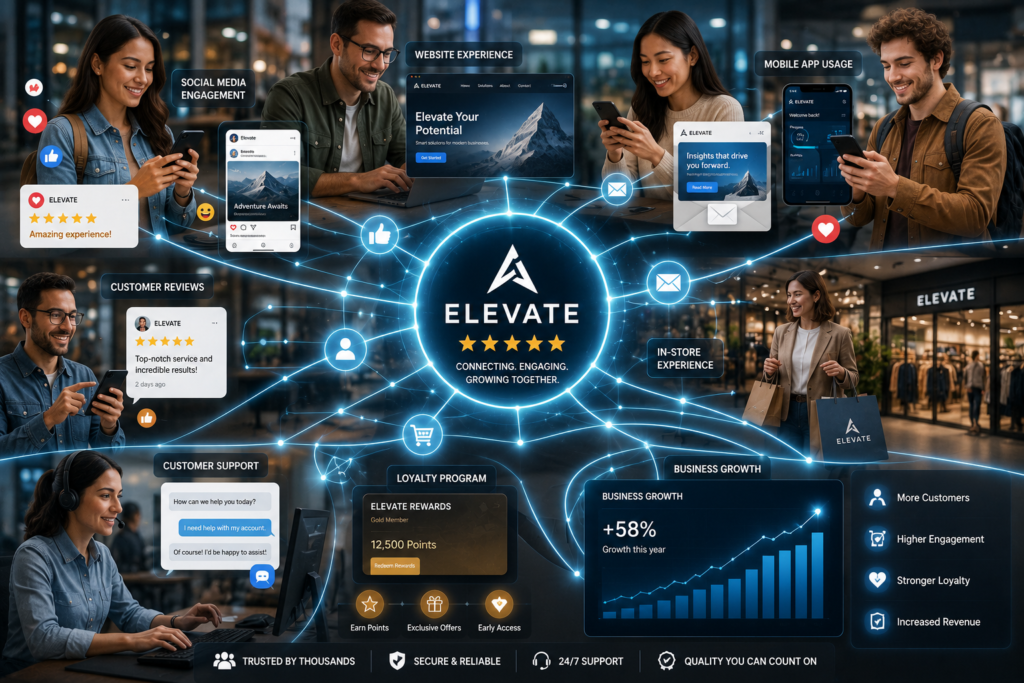
This is why personal branding for Business Owners has become one of the most powerful business growth strategies in 2026.
Whether you’re a startup founder, consultant, agency owner, coach, real estate professional, or CEO, your personal brand directly influences how customers perceive your business.
Consider some of the world’s most successful companies. Their leaders have become brands themselves. Their expertise, values, and public presence strengthen customer trust and business growth.
A strong personal brand can help you:
- Build credibility
- Generate leads
- Increase authority
- Attract partnerships
- Differentiate your business
- Create long-term opportunities
This guide explains everything business owners need to know about personal branding, from building your brand identity to growing your online presence and turning your reputation into a business asset.
What Is Personal Branding?
Personal branding is the process of intentionally shaping how people perceive you professionally.
It includes:
- Your expertise
- Your values
- Your personality
- Your communication style
- Your online presence
- Your reputation
Simply put:
Your personal brand is what people say about you when you’re not in the room.

Why Personal Branding Matters for Business Owners
Business owners often focus entirely on company branding while neglecting their own professional identity.
However, people trust people more than logos.
A strong personal brand can:
- Humanize your business
- Build customer confidence
- Make marketing easier
- Increase referrals
- Open networking opportunities
- Position you as an industry expert
Related Reading:
Internal Link: Why Branding Is More Than a Logo in 2026
Benefits of Personal Branding for Business Owners
Builds Trust Faster
Customers feel more comfortable buying from people they know.
Creates Authority
Thought leadership positions you as an expert.
Generates Leads Organically
A strong personal brand attracts opportunities naturally.
Supports Business Growth
People often choose businesses because of their founders.
Increases Media and Speaking Opportunities
Industry experts are more likely to receive invitations for interviews, podcasts, and events.
Creates Competitive Advantage
Competitors can copy products and services, but they cannot replicate your personality and experience.
Personal Brand vs Business Brand
| Personal Brand | Business Brand |
|---|---|
| Focuses on the individual | Focuses on the company |
| Builds personal credibility | Builds company recognition |
| Driven by personality | Driven by business values |
| Creates thought leadership | Creates market positioning |
| Human connection | Corporate identity |
The strongest businesses often have both.
Related Reading:
Internal Link: Logo Design vs Complete Branding: What’s the Difference?
Why Customers Trust Personal Brands
Modern consumers value:
- Authenticity
- Transparency
- Expertise
- Real human connections
People often follow business owners because they:
- Share useful information
- Provide insights
- Demonstrate expertise
- Build relationships
Trust eventually turns into business opportunities.
Related Reading:
Internal Link: How Branding Impacts Customer Trust & Buying Decisions

Essential Elements of a Strong Personal Brand
1. Clear Positioning
Answer these questions:
- What do you do?
- Who do you help?
- Why should people trust you?
Example:
“I help small businesses grow through strategic digital marketing.”
2. Expertise
Your personal brand should demonstrate:
- Industry knowledge
- Experience
- Problem-solving abilities
3. Authentic Personality
People connect with genuine personalities.
Avoid pretending to be someone you’re not.
4. Consistent Messaging
Your messaging should be similar across:
- Website
- Social media
- Public speaking
- Marketing materials
Related Reading:
Internal Link: Brand Visual Identity: Why Consistent Design Matters in 2026
5. Professional Visual Identity
This includes:
- Professional photos
- Personal logo (optional)
- Brand colors
- Typography
- Website design
How to Build a Personal Brand for Your Business
Step 1: Define Your Purpose
Ask yourself:
- Why do you want to build a personal brand?
- What impact do you want to make?
Step 2: Identify Your Target Audience
Who do you want to attract?
Examples:
- Small businesses
- Entrepreneurs
- Investors
- Corporate clients
- Job seekers
Understanding your audience shapes your messaging.
Step 3: Define Your Expertise
Identify:
- Your strengths
- Your experience
- Your niche
Specialists often build stronger personal brands than generalists.
Step 4: Create Your Brand Message
Develop a clear statement:
“I help [target audience] achieve [desired result] through [your expertise].”
Step 5: Build Your Online Presence
Your online presence should include:
Professional Website
A website acts as your digital headquarters.
Related Reading:
Internal Link: Complete Branding for Businesses (2026)

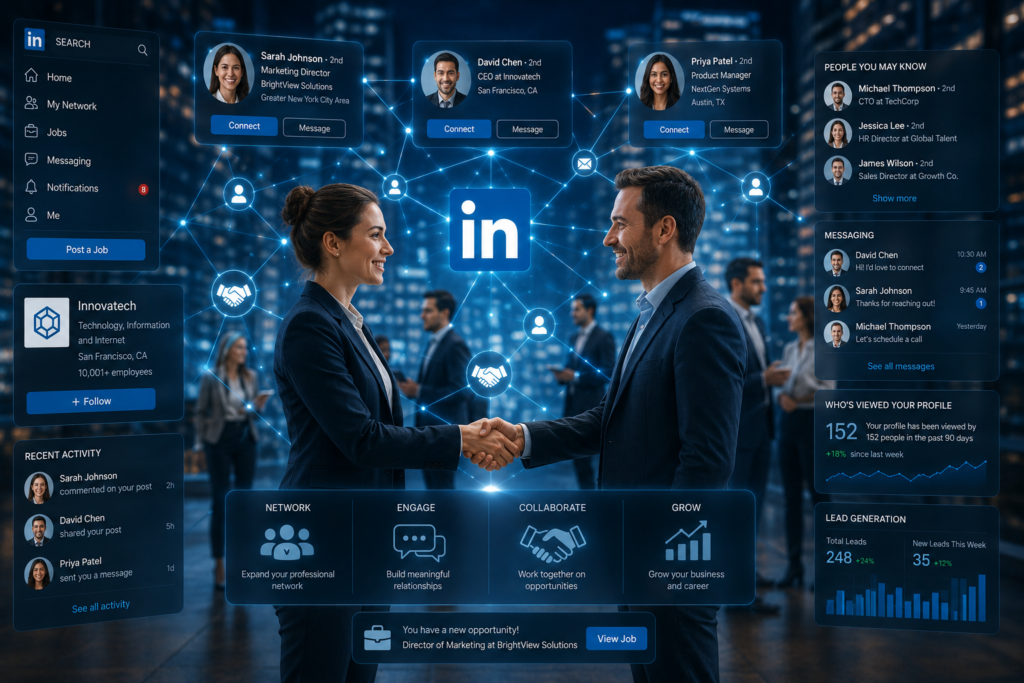
LinkedIn Profile
For many business owners, LinkedIn is the most important platform for personal branding.
Social Media Profiles
Share:
- Insights
- Experiences
- Industry trends
- Educational content
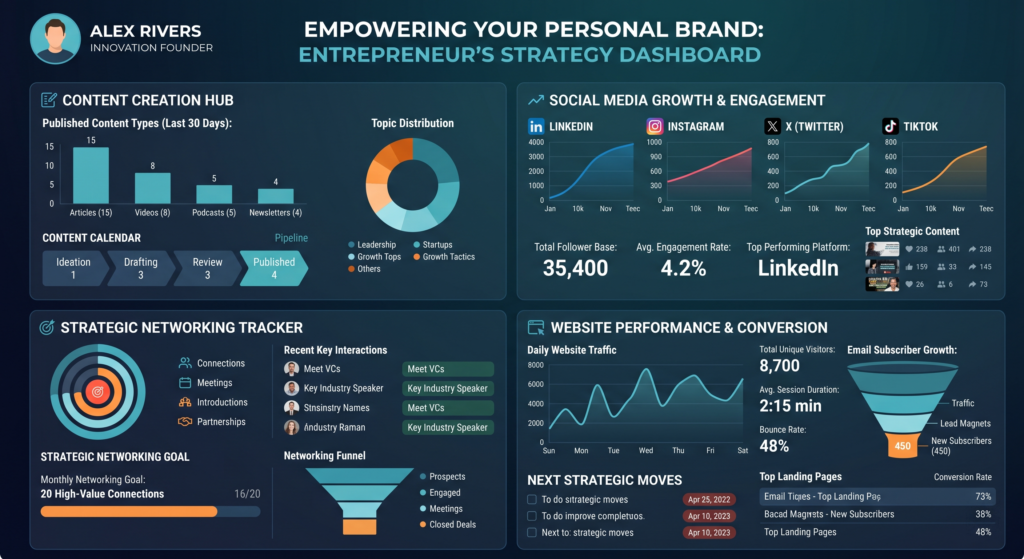
Step 6: Create Valuable Content
Content builds authority.
Examples:
- Blog posts
- Videos
- Podcasts
- LinkedIn articles
- Case studies
Related Reading:
Internal Link: Digital Branding Strategy for Online Businesses
Step 7: Share Your Story
Stories create emotional connections.
People remember stories more than facts.
Discuss:
- Challenges
- Lessons learned
- Successes
- Experiences
Step 8: Build Relationships
Networking remains essential.
Participate in:
- Industry events
- Online communities
- Conferences
- Podcasts
- Webinars
Personal Branding Platforms for Business Owners
| Platform | Best For |
|---|---|
| B2B networking | |
| Community building | |
| Visual storytelling | |
| YouTube | Educational content |
| X (Twitter) | Industry insights |
| Personal Website | Authority building |
Personal Branding Content Ideas
Educational Content
Teach your audience something useful.
Industry Opinions
Share your perspective on trends.
Case Studies
Demonstrate real-world expertise.
Behind-the-Scenes Content
Humanize your business.
Personal Experiences
Show authenticity.
Common Personal Branding Mistakes
Trying to Please Everyone
Strong brands are specific.
Inconsistent Messaging
Mixed messages confuse audiences.
Copying Other Experts
Authenticity builds trust.
Focusing Only on Selling
Provide value first.
Ignoring Professional Design
Poor presentation can weaken credibility.
Related Reading:
Internal Link: Top Branding Mistakes That Hurt Business Growth
Being Inactive
Personal brands require consistency.
Personal Branding for Different Business Owners
Agency Owners
Focus on expertise and results.
Consultants
Build authority through educational content.
Startup Founders
Share your entrepreneurial journey.
Local Business Owners
Highlight community involvement.
Related Reading:
Internal Link: Local Business Branding Strategy in US (2026)
How Personal Branding Supports Business Growth
A strong personal brand can:
- Increase website traffic
- Improve lead generation
- Build trust faster
- Increase speaking opportunities
- Improve sales conversions
- Attract partnerships
- Strengthen customer loyalty
Related Reading:
Internal Link: How Strong Branding Increases Trust and Sales in 2026
Personal Branding Examples
Successful personal brands often share these characteristics:
- Clear positioning
- Consistent messaging
- Valuable content
- Professional presentation
- Authentic communication
The goal isn’t becoming famousit’s becoming trusted.
Suggested Links
- What Is Branding? Definition, Importance & Real Examples (2026)
- Brand Strategy 101: How to Build a Brand That Lasts (2026)
- How Branding Impacts Customer Trust & Buying Decisions
- How to Build a Strong Visual Brand Identity from Scratch (2026 Guide)
- Digital Branding Strategy for Online Businesses
- Brand Positioning Strategy: How to Stand Out in a Competitive Market (2026)
- How to Create a Brand Style Guide
Conclusion
In today’s digital-first world, people connect with people before they connect with companies. A strong personal brand allows business owners to build trust, demonstrate expertise, and create opportunities that traditional marketing alone cannot achieve.
By consistently sharing your knowledge, communicating your values, and maintaining a professional online presence, you can turn your reputation into one of your business’s most valuable assets.
Call-to-Action
Ready to build a powerful personal brand that attracts customers and grows your business?
Omocracy helps entrepreneurs and business owners develop personal branding strategies, visual identities, websites, and content that establish authority and drive growth.
Contact Omocracy today and start building a personal brand that works for your business.
External Resources
- LinkedIn Business Resources
- HubSpot Personal Branding Guide
- Google Search Central Documentation
- Shopify Branding Resources
Frequently Asked Questions (FAQ)
What is personal branding?
Personal branding is the process of shaping how people perceive you professionally.
Why is personal branding important?
It builds trust, authority, and business opportunities.
Do small business owners need personal branding?
Yes. Customers increasingly prefer doing business with people they trust.
How long does personal branding take?
Building a strong personal brand usually takes months or years of consistent effort.
Which platform is best for personal branding?
LinkedIn is often the most effective platform for business owners.
Is personal branding only for influencers?
No. Every business owner can benefit from a strong personal brand.
Can personal branding generate leads?
Absolutely. Strong personal brands attract opportunities organically.
What is the biggest personal branding mistake?
Inconsistency and lack of authenticity.
Do I need a personal website?
A website greatly strengthens credibility and authority.
What’s the difference between personal and business branding?
Personal branding focuses on the individual, while business branding focuses on the company.