
Studying real-world branding examples is one of the fastest ways to understand what works. Successful brands create recognition, loyalty, and trust by combining visual identity, messaging, values, and customer experience. In 2026, looking at these examples is essential for anyone aiming to build a brand that lasts. By analyzing how global brands communicate, position themselves, and connect with audiences, businesses of all sizes can extract lessons to improve their own branding strategies.
Branding Examples from Top Global Brands
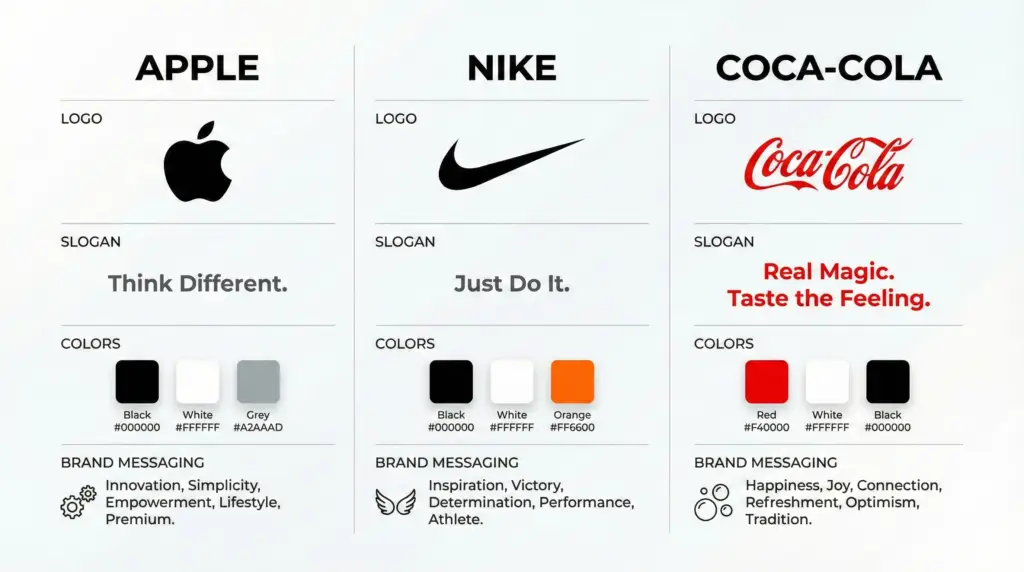
Apple focuses on simplicity, innovation, and premium experience. Every product, store, and ad reflects this strategy, making the brand instantly recognizable. Its branding communicates a lifestyle and status, not just technology.
Nike builds motivation, empowerment, and performance into every campaign. From its slogan “Just Do It” to sponsorships with elite athletes, the brand consistently communicates action and determination, inspiring loyalty and emotional connection.
Coca-Cola emphasizes happiness, nostalgia, and emotion. Its visual identity, packaging, and marketing campaigns remain consistent across the globe, creating trust and familiarity with customers of all ages.
Tesla highlights innovation, sustainability, and a future-focused mindset. Tesla’s branding extends beyond its products to a vision for sustainable living, making it aspirational and memorable.
Internal link:
What Is Branding? Definition, Importance & Real Examples (2026)
Other Notable Branding Examples
Amazon is known for convenience, reliability, and customer obsession. Its branding focuses on making the shopping experience seamless, which strengthens customer trust and loyalty.
Starbucks emphasizes experience, personalization, and community. The brand goes beyond selling coffee by offering a welcoming environment and a recognizable brand culture that resonates globally.
Google combines innovation, simplicity, and accessibility. Its branding strategy reflects openness, intelligence, and reliability, reinforcing trust across all its products, apps, and services.
McDonald’s branding focuses on consistency, speed, and family-friendly appeal. The golden arches are recognized worldwide, and the brand ensures uniform experience in every country.
Disney is synonymous with storytelling, magic, and family entertainment. Its brand identity extends across theme parks, movies, merchandise, and digital platforms, creating lifelong emotional connections.
External link:
HubSpot article on brand strategy examples
Lessons from Branding Examples
Successful brands share common traits:
- Consistency across all touchpoints
- Clear messaging and voice
- Emotional connection with their audience
- Memorable visuals and identity
By studying these examples, small businesses and startups can adopt principles that work without copying large brands directly. These lessons help shape brand strategy, improve customer loyalty, and create stronger market positioning.
Internal link:
Brand Identity vs Brand Image: Key Differences Explained
Branding for Small Businesses and Startups
Even small businesses can learn from these examples. Strong branding builds credibility, makes a company look professional, and attracts loyal customers. Following best practices from successful brands, businesses can create a strategy that drives long-term growth.
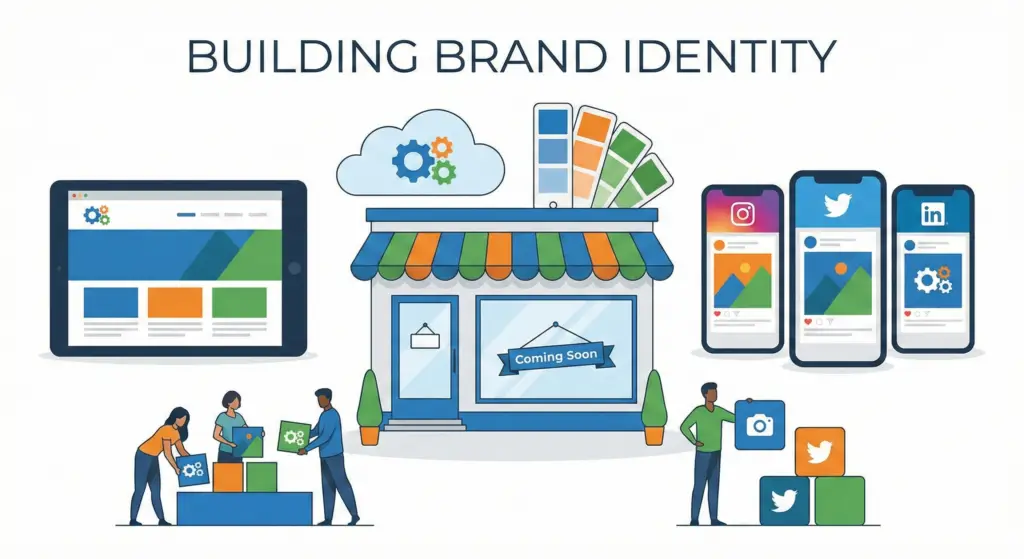
In 2026, digital platforms make branding even more critical. Websites, social media, and online ads must reflect a brand’s identity consistently. Small businesses that align their branding across all digital touchpoints increase visibility, credibility, and customer engagement, giving them a competitive advantage.
Internal link:
Complete Branding Checklist for Growing Businesses in 2026
Explore our professional branding services:
https://omocracy.com/professional-branding/
Frequently Asked Questions
What are some examples of successful branding?
Examples include Apple, Nike, Coca-Cola, Tesla, Amazon, Starbucks, and Google, all of which create strong recognition and loyalty.
Why do these branding examples work?
They work because they are consistent, emotional, memorable, and communicate clear values to their audience.
Can small businesses apply strategies from famous brands?
Yes. By adopting principles like consistency, clear messaging, and a strong brand voice, small businesses can create powerful branding.
What is the difference between brand identity and brand image?
Brand identity refers to the visual and messaging elements created by the company, while brand image is how customers perceive the brand.