In 2026, building a brand that resonates and lasts goes beyond just a logo or catchy tagline. A strong brand strategy is the backbone of every successful business, shaping customer perception, trust, and loyalty.
But what exactly is a brand strategy? Why does it matter? And how can you create one that stands the test of time? In this guide, we’ll break down brand strategy meaning, share a brand strategy framework, and provide real brand strategy examples to inspire your own long-term success.
What is Brand Strategy?
Brand strategy meaning refers to the long-term plan for the development of a successful brand in order to achieve specific goals. A well-defined brand strategy affects all aspects of a business, from visual identity and messaging to customer experience and reputation.
Think of it as your brand’s roadmap—guiding how your audience perceives you today and in the years to come.
Internal link: Learn how brand identity shapes your business in our guide: What Is Brand Identity? Complete Guide for Businesses (2026)
External link: Forbes on brand strategy importance
Why Brand Strategy Matters in 2026
A strong business branding strategy has several benefits:
- Differentiation: Stand out in a crowded market.
- Consistency: Build trust with your audience.
- Customer Loyalty: Connect emotionally with your audience.
- Long-term Growth: Make your brand adaptable yet enduring.
In today’s fast-paced digital world, a long-term brand strategy ensures your business remains relevant and memorable.
Internal link: Discover why branding is more than just a logo in: Why Branding Is More Than a Logo in 2026
External link: Harvard Business Review on brand loyalty
Elements of a Strong Brand Strategy
A brand strategy framework typically includes the following:
- Brand Purpose & Mission: Why your brand exists and what it stands for.
- Target Audience: Understanding your ideal customer.
- Brand Positioning: How you differentiate from competitors.
- Brand Personality & Voice: The tone, style, and human traits of your brand.
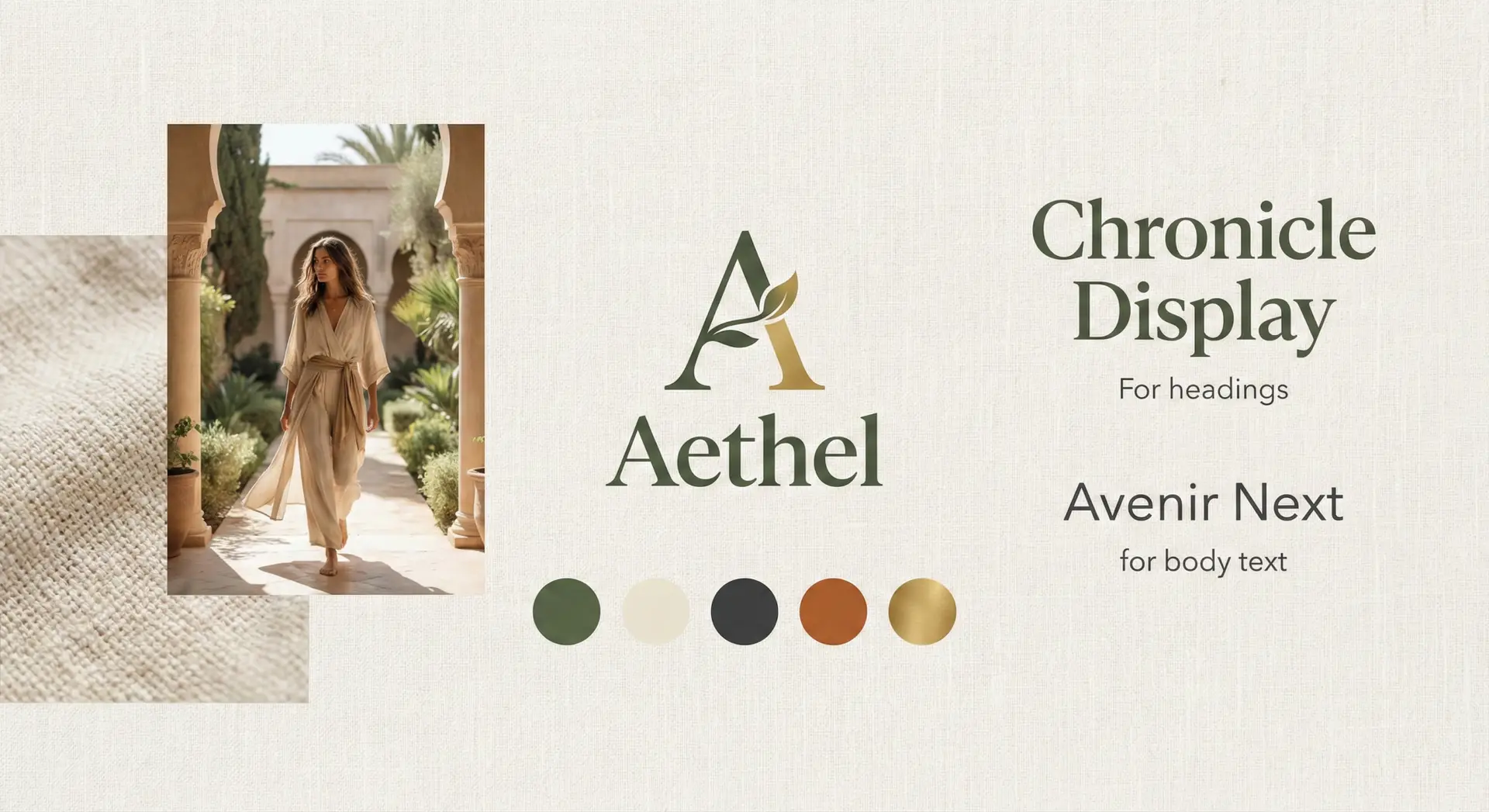
- Visual Identity: Logo, colors, typography, and design assets.
- Messaging Strategy: Taglines, slogans, and key messaging.
- Customer Experience: Every interaction that shapes perception.
Internal links:
- Explore a complete branding checklist for growing businesses: Complete Branding Checklist for Growing Businesses in 2026
- Learn how brand identity differs from brand image: Brand Identity vs Brand Image: Key Differences Explained
External link: HubSpot brand strategy guide
Steps to Build a Brand That Lasts
Here’s a step-by-step process to create a lasting brand strategy:
- Define Your Brand’s Core Values: Align your brand with principles your audience can trust.
- Research Your Market & Competitors: Identify gaps and opportunities.
- Craft Your Brand Positioning Statement: Define how your brand stands apart.
- Develop Your Visual Identity: Colors, typography, logo, and design consistency.
- Create Your Messaging & Voice Guidelines: Ensure all communications reflect your brand.
- Implement Across Channels: Website, social media, email marketing, and offline presence.
- Measure & Refine: Track engagement, perception, and growth, and adjust as needed.
Internal link: Understand how strong branding increases trust and sales: How Strong Branding Increases Trust and Sales in 2026
External link: Entrepreneur on building brand identity
Brand Strategy Examples to Inspire You
Looking at successful brands helps illustrate what works:
- Apple: Strong emotional branding, sleek design, and consistent messaging.
- Nike: Brand mission and storytelling create loyalty beyond products.
- Coca-Cola: Timeless messaging and global recognition.
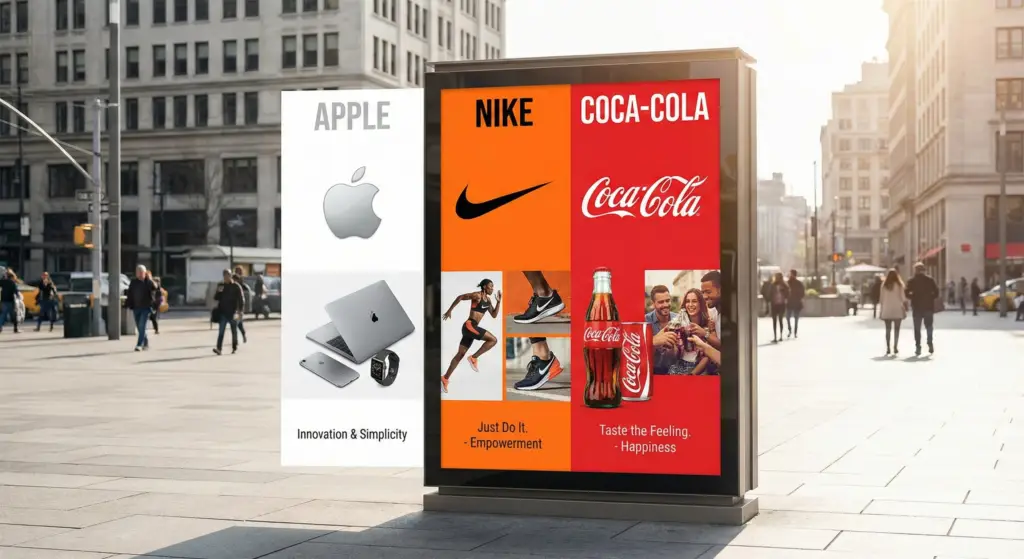
Analyze these examples to understand how they use a brand strategy framework to maintain relevance year after year.
Internal link: What Is Brand Identity? Complete Guide for Businesses (2026)
External link: Forbes list of top global brands
Conclusion
A brand strategy isn’t just a marketing tool—it’s a long-term investment in your business’s reputation, growth, and customer loyalty. By defining your purpose, understanding your audience, and creating a consistent identity, you can build a brand that lasts well into 2026 and beyond.
Start with a solid business branding strategy, stay consistent, and continuously adapt to market trends. Your brand’s legacy depends on it.
Explore our expert branding solutions here:
https://omocracy.com/service/branding/
What is the meaning of brand strategy?
Brand strategy is a long-term plan for developing a successful brand to achieve specific goals and shape customer perception, trust, and loyalty.
How do I create a long-term brand strategy?
Start by defining your brand purpose, audience, positioning, voice, visual identity, and messaging. Then implement consistently across all channels while measuring results.
Can small businesses benefit from a brand strategy?
Absolutely! A clear business branding strategy helps small businesses stand out, build trust, and create lasting customer relationships.
What are some examples of successful brand strategies?
Apple, Nike, and Coca-Cola are excellent examples, using consistent messaging, strong visual identity, and emotional branding to connect with audiences globally.