Many businesses invest heavily in branding but still struggle with trust and recognition.
The reason is often a gap between brand identity vs brand image.
Understanding the difference is important.
Learning how to align them is what builds powerful brands in 2026.
What Is Brand Identity?
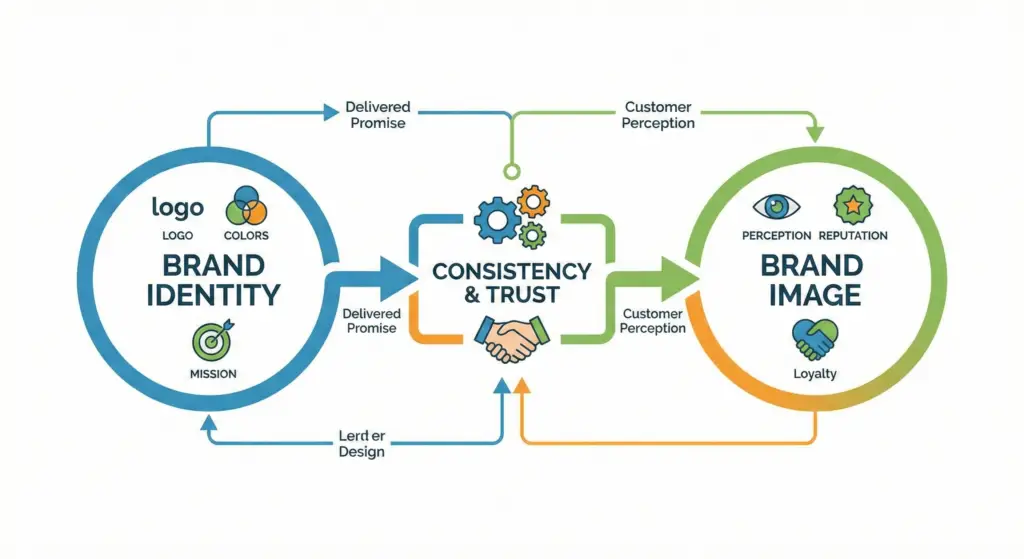
Brand identity is how a business intentionally presents itself.
It includes everything the company controls.
- Logo and visual design
- Brand colors and typography
- Brand voice and tone
- Messaging and positioning
- Values and mission
Brand identity is created internally and shared with the public.
Internal link:
What Is Brand Identity? Complete Guide for Businesses (2026)
What Is Brand Image?
Brand image is how customers actually perceive a brand.
It is shaped by experience, emotions, and interactions.
- Customer opinions
- Reviews and feedback
- Brand reputation
- Emotional connection
- Public trust
Unlike identity, brand image is controlled by the audience, not the business.
Key Differences Between Brand Identity vs Brand Image
- Brand identity is created by the business
- Brand image is formed by customers
- Brand identity is intentional
- Brand image is perception-based
- Brand identity is visual and strategic
- Brand image is emotional and experiential
Understanding this difference helps businesses fix branding gaps.
Why Brand Identity and Brand Image Often Don’t Match
Misalignment is common, especially in growing businesses.
- Inconsistent messaging across platforms
- Poor customer experience
- Weak communication of brand values
- Outdated visuals or website
- Overpromising and underdelivering
When expectations don’t match reality, brand image suffers.
Internal link:
Why Branding Is More Than a Logo in 2026
How to Align Brand Identity and Brand Image
Alignment happens when what you promise matches what customers experience.
- Keep visuals consistent everywhere
- Communicate clearly and honestly
- Deliver the same quality every time
- Train teams to represent the brand correctly
- Listen to customer feedback
Strong alignment builds trust and long-term loyalty.
Role of Brand Consistency in Alignment
Consistency connects identity and image.
- Same logo, colors, and fonts
- Same tone across marketing channels
- Same brand promise everywhere
- Same customer experience online and offline
Consistency reinforces recognition and strengthens perception.
Internal link:
Complete Branding Checklist for Growing Businesses in 2026
How Brand Image Impacts Business Growth
A positive brand image leads to:
- Higher customer trust
- Better word-of-mouth marketing
- Increased conversions
- Stronger customer loyalty
- Higher perceived value
A weak brand image does the opposite, even if identity looks good.
Internal link:
How Strong Branding Increases Trust and Sales in 2026
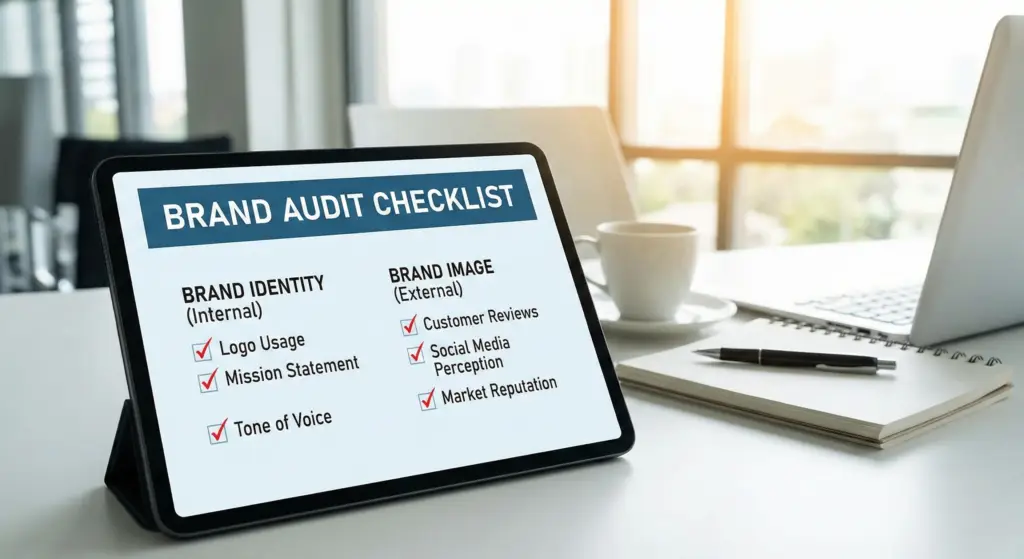
Brand Audit: Checking Identity vs Image
Regular audits help close branding gaps.
- Compare brand messaging with customer feedback
- Analyze reviews and social comments
- Check visual consistency
- Identify broken brand touchpoints
- Update outdated brand elements
Audits ensure branding stays aligned as businesses grow.
When Misalignment Signals the Need for Rebranding
Sometimes alignment requires bigger changes.
Signs include:
- Declining customer trust
- Confusing messaging
- Poor market perception
- Low engagement despite strong visuals
In these cases, rebranding may be the best solution.
Who Needs to Focus on Brand Identity and Image Alignment?
- Startups scaling fast
- Small businesses building trust
- Companies entering new markets
- Brands struggling with reputation
- Businesses planning rebranding
Alignment is critical at every growth stage.
External link: Forbes highlights that emotionally connected customers are more valuable and loyal to brands.
Do You Need Professional Branding Support?
If your brand looks good but doesn’t convert, misalignment may be the problem.
Professional branding helps align identity and image into one clear story.
Internal link:
Branding Services Page
Frequently Asked Questions
What is the main difference between brand identity and brand image?
Brand identity is how a company presents itself, while brand image is how customers perceive it.
Can a strong brand identity fix a bad brand image?
Only if customer experience and communication improve alongside visuals.
Why is alignment important in branding?
Alignment builds trust, credibility, and consistent customer experience.
How often should businesses review brand alignment?
At least once a year or during major growth phases.