LinkedIn Marketing for Businesses
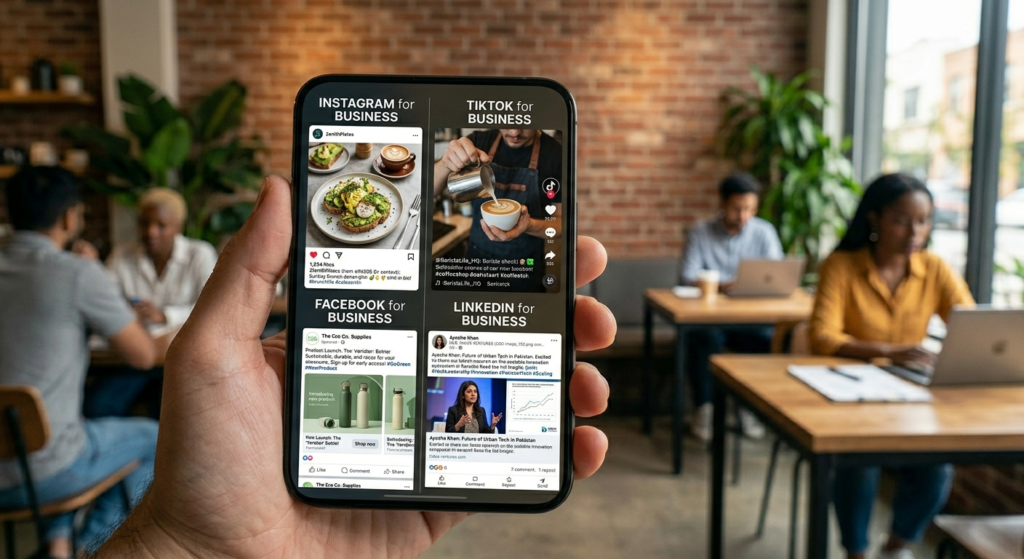
When people think about social media marketing, platforms like Facebook, Instagram, and TikTok often come to mind. However, for businesses targeting professionals, decision-makers, and other companies, LinkedIn has become one of the most powerful digital marketing platforms available. With over a billion professionals using the platform worldwide, LinkedIn offers unmatched opportunities for building brand authority, generating qualified leads, and establishing meaningful business relationships.
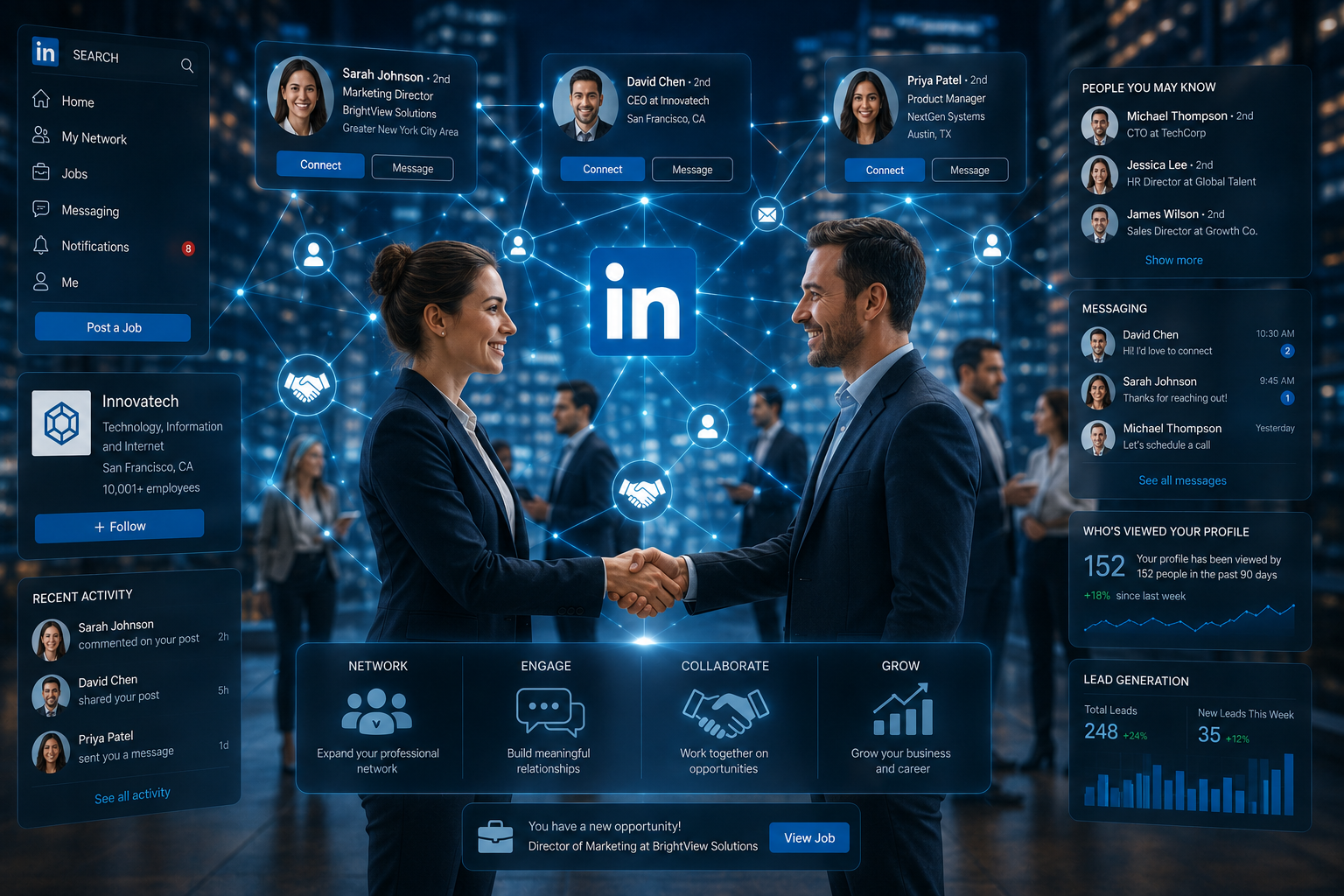
Unlike entertainment-focused social networks, LinkedIn is designed for professional networking and business growth. Companies can showcase their expertise, share valuable industry insights, recruit top talent, and connect directly with potential clients. Whether you’re a startup, a B2B company, a service provider, or an enterprise, a well-planned LinkedIn marketing strategy can significantly improve your online visibility and credibility.
If you’re developing your overall branding strategy, it’s worth reading Complete Branding for Businesses (2026) to understand how LinkedIn fits into a broader brand-building approach.
This guide explains everything you need to know about LinkedIn marketing for businesses, including its benefits, best practices, and actionable strategies to help your company succeed in 2026.
What Is LinkedIn Marketing?
LinkedIn marketing is the process of using LinkedIn to promote a business, build brand awareness, generate leads, engage with professionals, and establish industry authority.
Businesses use LinkedIn to:
- Build professional credibility
- Share educational content
- Generate B2B leads
- Recruit talented employees
- Promote products and services
- Build partnerships
- Network with industry leaders
- Drive website traffic
Unlike traditional advertising, LinkedIn marketing focuses on building trust through valuable content and professional engagement.
Why LinkedIn Marketing Is Important for Businesses
LinkedIn is more than a networking platform—it is a business growth engine.
The platform helps businesses:
- Reach decision-makers directly
- Generate high-quality leads
- Increase brand visibility
- Improve website traffic
- Strengthen industry authority
- Support recruitment efforts
- Build long-term professional relationships
- Promote thought leadership
Businesses that focus on consistent branding often see better engagement. Learn more in How Strong Branding Increases Trust and Sales in 2026, which explains why trust is essential for attracting customers.

Optimize Your LinkedIn Company Page
Your company page is often the first impression potential clients have of your business.
Ensure it includes:
- A professional logo
- High-quality banner image
- Compelling company description
- Website URL
- Contact information
- Industry selection
- Relevant keywords
- Custom CTA button
Maintain consistent branding across your website and social media profiles. If you’re creating or refreshing your brand identity, explore How to Build a Strong Visual Brand Identity from Scratch (2026 Guide) for practical advice.
Define Your Target Audience
Successful LinkedIn marketing begins with knowing exactly who you want to reach.
Identify your ideal audience based on:
- Industry
- Job titles
- Company size
- Geographic location
- Business challenges
- Decision-making authority
Creating audience personas allows you to publish content that addresses real problems and attracts qualified prospects.
For businesses refining their market position, Brand Positioning Strategy: How to Stand Out in a Competitive Market (2026) provides valuable insights.
Share Valuable Content Consistently
Content is the foundation of LinkedIn marketing.
Publish a variety of content types, including:
- Industry insights
- Educational articles
- Company updates
- Success stories
- Case studies
- Infographics
- Videos
- Polls
- Employee highlights
- Event announcements
Rather than constantly promoting your services, focus on solving problems and providing value to your audience.
Consistent, educational content establishes your business as an industry expert.
Build Thought Leadership
Thought leadership is one of LinkedIn’s greatest strengths.
Business owners and executives should regularly share:
- Personal experiences
- Industry trends
- Lessons learned
- Business insights
- Market analysis
- Predictions
- Professional advice
Authentic thought leadership builds trust and encourages meaningful engagement.
Entrepreneurs looking to strengthen their professional reputation should also read Personal Branding for Entrepreneurs in 2026.
Encourage Employee Advocacy
Your employees can become powerful brand ambassadors.
Encourage team members to:
- Share company posts
- Celebrate achievements
- Publish industry insights
- Engage with company content
- Participate in professional discussions
Employee advocacy significantly expands your organic reach while making your brand appear more authentic.
Use LinkedIn Articles and Newsletters
Long-form content performs exceptionally well on LinkedIn.
Consider publishing:
- Industry guides
- Business tips
- Research findings
- Expert opinions
- Customer success stories
- Market trends
Newsletters help keep your audience engaged while positioning your business as a trusted source of information.
Leverage LinkedIn Ads
LinkedIn Ads allow businesses to target highly specific professional audiences.
Popular campaign objectives include:
- Brand awareness
- Website visits
- Lead generation
- Event registrations
- Video views
- Job applications
Targeting options include:
- Industry
- Job title
- Company size
- Skills
- Seniority
- Education
- Interests
Although LinkedIn advertising can be more expensive than other platforms, it often delivers higher-quality B2B leads.
Engage With Your Network
LinkedIn rewards meaningful engagement.
Regularly:
- Reply to comments
- Join industry conversations
- Participate in groups
- Congratulate professional connections
- Share relevant insights
- Ask thoughtful questions
Building relationships often produces better long-term results than direct selling.
Showcase Customer Success Stories
People trust real experiences more than promotional messages.
Share:
- Client testimonials
- Before-and-after results
- Video interviews
- Case studies
- Project highlights
- Success metrics
Businesses interested in demonstrating measurable branding success should explore Branding Case Study: How Strong Branding Increased Sales.
Track Your LinkedIn Performance
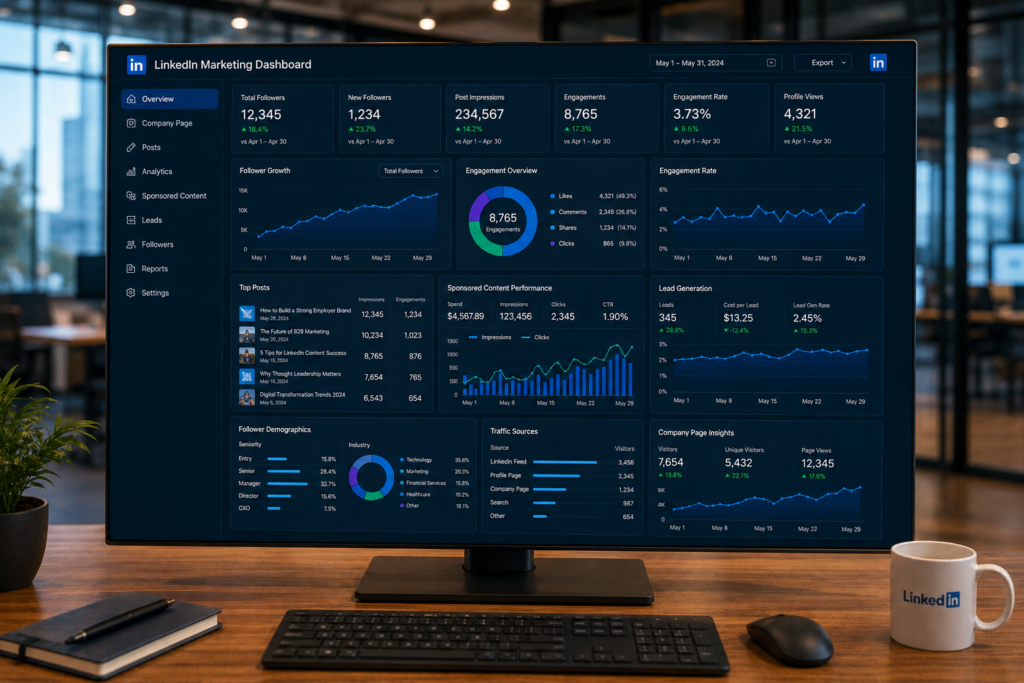
Monitor important metrics such as:
- Page followers
- Post impressions
- Engagement rate
- Website clicks
- Lead generation
- Profile visits
- Click-through rate
- Follower demographics
Regular analysis helps identify which content resonates most with your audience.
Common LinkedIn Marketing Mistakes
Avoid these common mistakes:
- Posting only promotional content
- Inconsistent branding
- Ignoring comments
- Incomplete company profiles
- Publishing irregularly
- Using low-quality visuals
- Targeting the wrong audience
- Neglecting analytics
- Overusing sales pitches
- Failing to provide value
Businesses should also read Top Branding Mistakes That Hurt Business Growth to avoid branding issues that can negatively impact LinkedIn performance.

External Resources
- LinkedIn Marketing Solutions – https://business.linkedin.com/marketing-solutions
- HubSpot Marketing Blog – https://blog.hubspot.com/
- Meta for Business – https://www.facebook.com/business
- Google Search Central – https://developers.google.com/search
Conclusion
LinkedIn has evolved into one of the most effective platforms for business marketing, particularly for B2B companies and professional service providers. By optimizing your company page, sharing valuable content, engaging with your audience, leveraging employee advocacy, and using LinkedIn Ads strategically, you can increase brand awareness, generate qualified leads, and build lasting professional relationships.
The key to success on LinkedIn is consistency. Businesses that focus on educating, engaging, and adding value to their audience rather than constantly selling are more likely to earn trust and establish themselves as industry leaders. When integrated with a strong branding strategy and ongoing performance analysis, LinkedIn marketing can become a powerful driver of sustainable business growth.
FAQs
What is LinkedIn marketing for businesses?
LinkedIn marketing involves using LinkedIn to promote a business, build brand awareness, generate leads, share valuable content, and establish professional credibility.
Is LinkedIn good for small businesses?
Yes. LinkedIn helps small businesses connect with decision-makers, build authority, network with professionals, and generate high-quality B2B leads.
How often should businesses post on LinkedIn?
Most businesses benefit from posting two to five times per week, focusing on valuable, educational, and engaging content rather than constant promotions.
What type of content performs best on LinkedIn?
Industry insights, educational articles, case studies, success stories, videos, infographics, polls, and thought leadership posts typically generate the highest engagement.
Are LinkedIn Ads worth it?
For B2B businesses targeting professionals and decision-makers, LinkedIn Ads often deliver high-quality leads despite higher advertising costs.
Can LinkedIn help generate B2B leads?
Absolutely. LinkedIn is one of the most effective platforms for B2B lead generation because of its professional audience and advanced targeting options.
How can businesses improve engagement on LinkedIn?
Publish valuable content consistently, respond to comments, encourage employee advocacy, join industry discussions, and use compelling visuals.
Should employees share company content?
Yes. Employee advocacy increases brand reach, improves credibility, and exposes your business to a broader professional audience.
What metrics should businesses track on LinkedIn?
Track follower growth, impressions, engagement rate, website clicks, lead generation, profile views, click-through rate, and audience demographics.
Is LinkedIn only useful for B2B companies?
While LinkedIn is strongest for B2B marketing, B2C businesses, educational institutions, nonprofits, recruiters, consultants, and personal brands can also benefit from a strong LinkedIn presence.