Organic vs Paid Social Media Marketing
Social media is no longer optional for businesses — it’s essential. Yet, a common question keeps coming up: should businesses focus on organic social media growth, invest in paid advertising, or both? The answer depends on your goals, audience, and growth stage.
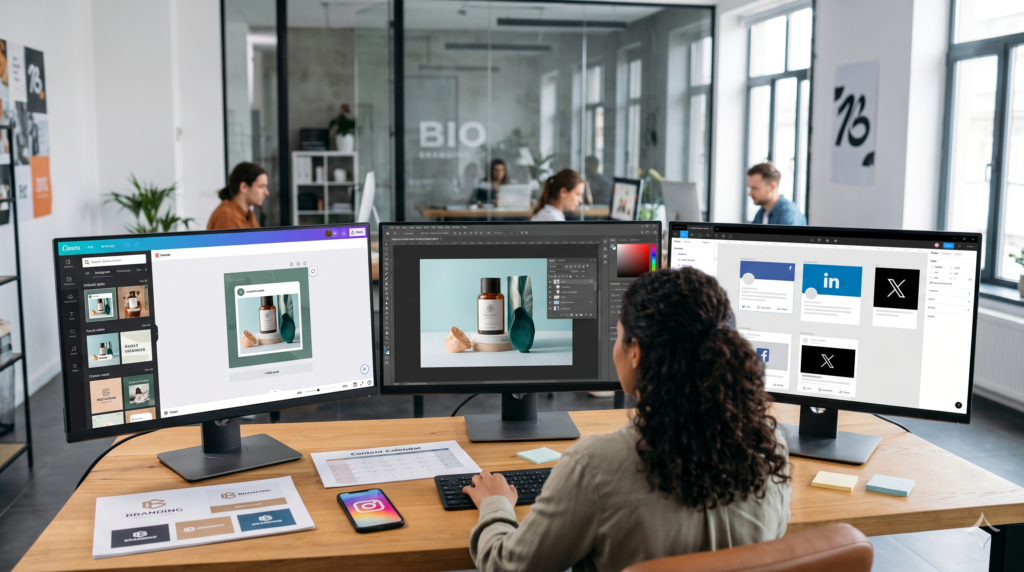
Organic social media marketing revolves around building a brand naturally. It includes posting regular content, creating engaging reels and stories, and interacting with followers. Platforms like Instagram and Facebook reward consistency and value. Over time, organic content builds credibility, authority, and trust. For startups and small businesses, focusing on organic strategies is often the first step toward creating a loyal audience.
You can explore more strategies here:
Social Media Marketing for Businesses: Complete Growth Guide (2026)
Paid social media marketing works differently. Platforms like Meta Platforms allow businesses to target audiences by location, interests, and behavior, reaching people instantly. Paid campaigns are ideal for driving fast results — generating leads, promoting offers, and scaling campaigns quickly.
For detailed instructions, see:
Facebook & Meta Ads Guide for Small Businesses in Pakistan (2026)
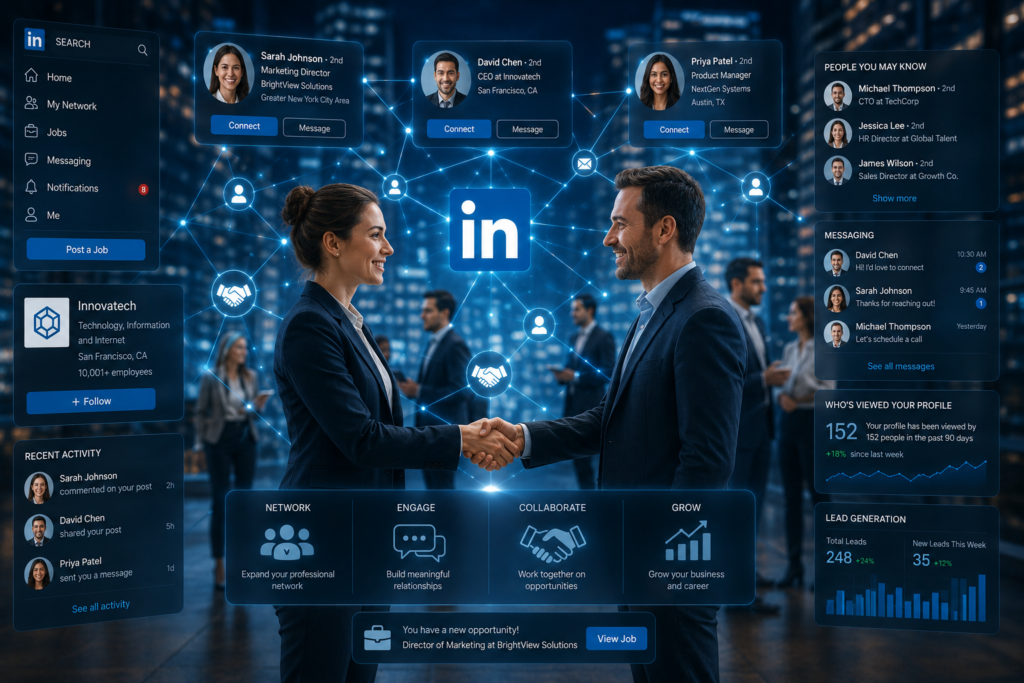
Many businesses make the mistake of treating organic and paid marketing separately. Running ads without a strong organic presence can backfire; potential customers click an ad, land on a profile with minimal content or engagement, and lose trust. Conversely, relying solely on organic growth is often slow and may not deliver the immediate results needed to scale a business.
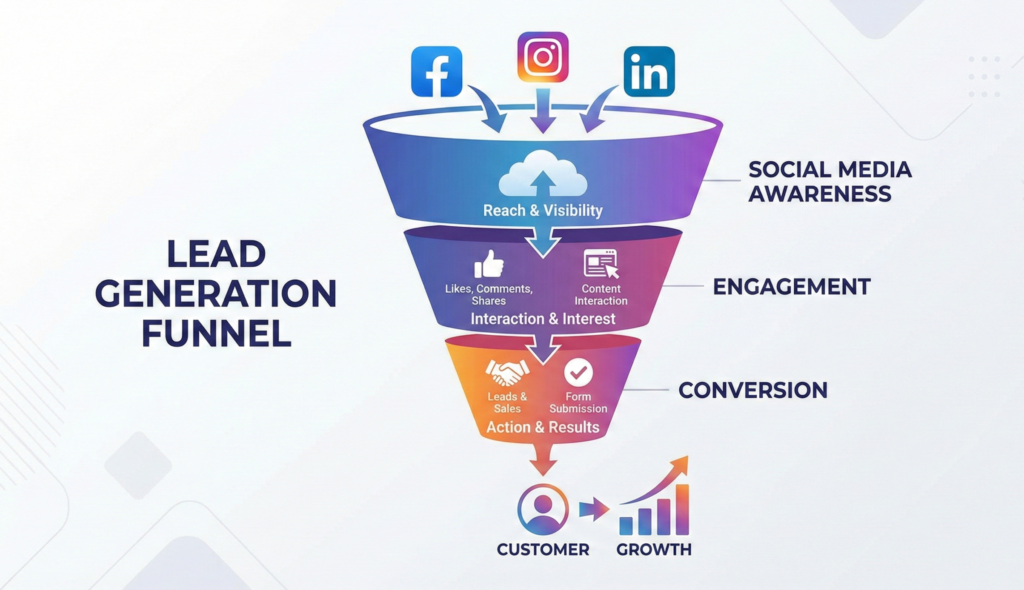
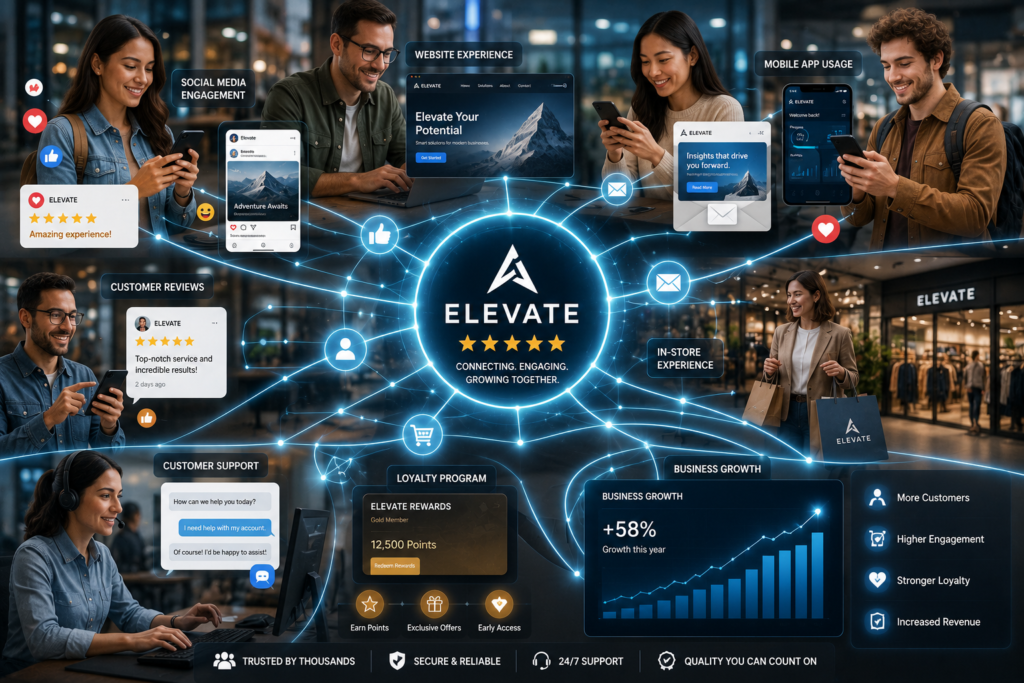
The most effective approach combines both strategies. Organic content nurtures your audience and builds trust, while paid ads amplify your reach and speed up conversions. For instance, sharing educational posts or engaging videos organically and then promoting the best-performing content through paid campaigns reduces ad costs and improves results.
This integrated approach is explained in:
Social Media Management vs Ads: What Should Businesses Invest In?
When Organic Marketing Works Best
Organic marketing shines when your goal is to establish credibility and authority. It’s particularly useful for service-based businesses, educational content, or brands aiming to create long-term relationships. Organic efforts also allow you to experiment with content types, observe what resonates with your audience, and adjust messaging without spending heavily on ads. This approach is ideal for startups or businesses with limited budgets.
For a practical checklist, see:
Social Media Marketing Checklist for 2026 (Step-by-Step for Businesses)
When Paid Marketing Works Best
Paid campaigns are the go-to solution when speed and precision matter. If you’re launching a new service, running a promotion, or targeting a very specific audience, paid ads deliver immediate visibility and measurable results. Combining paid campaigns with well-crafted landing pages and retargeting strategies can dramatically improve lead generation.
You can read more about ad strategy on:
Combining Organic and Paid Marketing for Maximum Impact
The real power lies in integration. Start by building organic authority, then amplify your most engaging content with paid campaigns. This not only improves conversions but also enhances your brand credibility. Brands that successfully integrate both strategies are able to reduce costs, scale campaigns efficiently, and create sustainable growth.
For businesses looking to implement a combined approach, professional services can guide strategy and execution.
Explore more here:
Social Media Marketing Services for Small Businesses
Final Thoughts
Organic marketing builds trust. Paid marketing builds speed. Businesses that rely solely on one risk either slow growth or wasted ad spend. In 2026, the most successful brands use both strategically — building credibility organically and leveraging paid campaigns to scale faster.
By understanding the strengths of each, you can allocate resources wisely, connect with your audience, and generate measurable results without overspending.
FAQs
Can small businesses rely only on organic marketing?
Yes, but growth may be slower. Paid campaigns accelerate visibility and lead generation when you want faster results.
How does paid marketing complement organic content?
Paid ads amplify content that already performs well organically, retarget engaged users, and improve conversions.
Which social media platforms are best for paid campaigns?
Facebook and Instagram (Meta) are ideal for small to medium businesses due to their targeting precision and audience reach.
How much should businesses budget for social media ads?
Budgets vary by industry, goals, and audience size. Even small campaigns can deliver measurable results if targeted effectively.