What Is Graphic Design? Graphic design is the art and practice of creating visual content to communicate messages clearly and effectively. It combines images, typography, colors, and layout to deliver ideas that inform, inspire, and persuade audiences.
In today’s digital-first world, graphic design is not just about making things look good — it plays a critical role in branding, marketing, and business growth.
Businesses use graphic design to:
- Build brand identity
- Increase trust and credibility
- Improve user experience
- Drive conversions and sales
This is why professional graphic design has become essential for companies of all sizes in 2026.
Why Graphic Design Is Important for Businesses
Graphic design directly impacts how customers perceive your brand.
A strong design:
- Creates a memorable first impression
- Makes your brand recognizable
- Communicates professionalism
- Increases engagement on websites & social media
According to branding studies, people remember visuals 65% more than text alone, which makes graphic design a powerful business tool.
Internal Link:
How Professional Graphic Design Helps Businesses Grow Faster (2026)
(professional graphic design for business growth)
Types of Graphic Design
There are multiple types of graphic design, each serving a specific purpose:
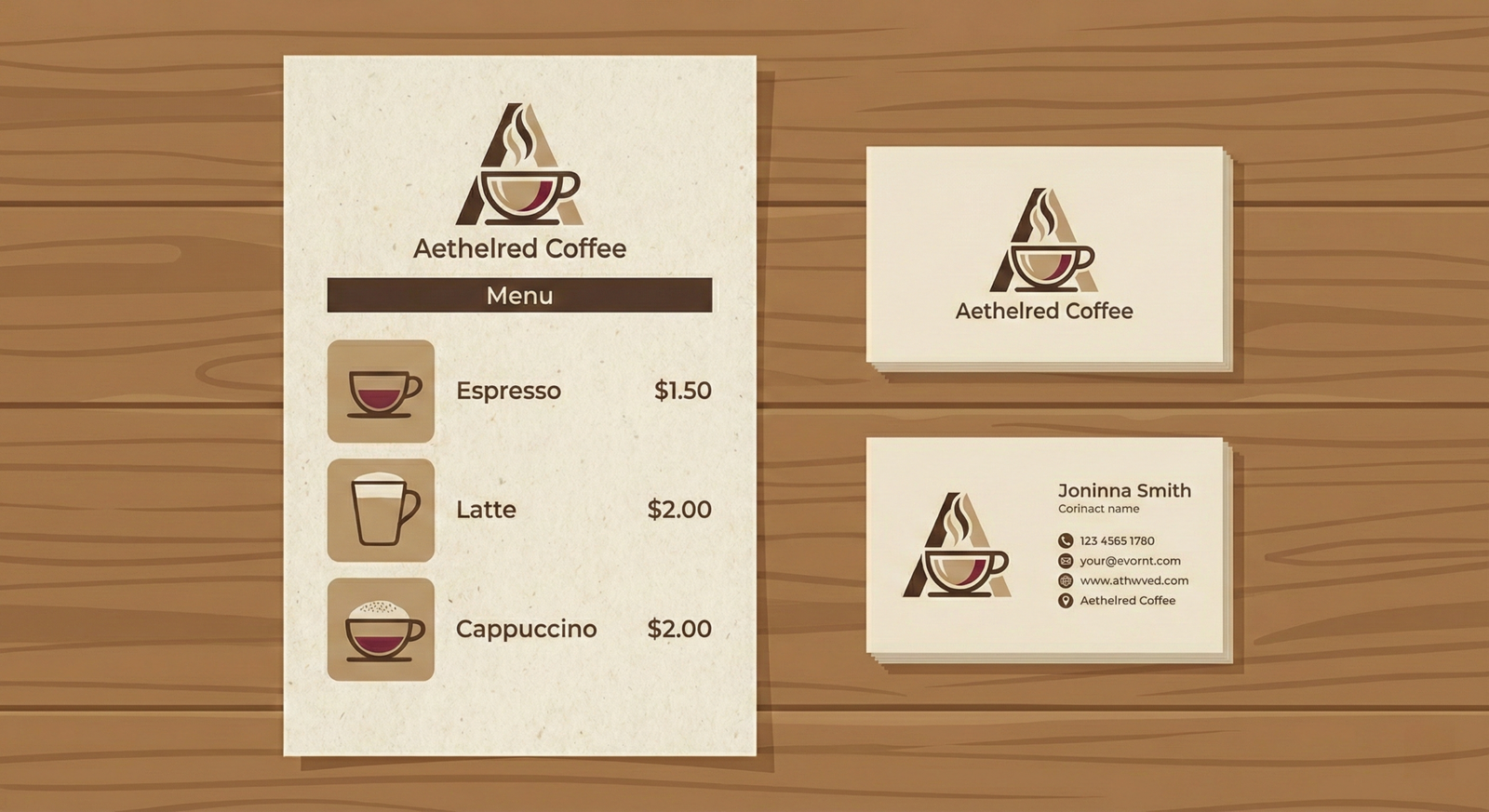
Logo & Brand Identity Design
This includes logos, brand colors, typography, and brand guidelines that define how a business looks across all platforms.
Internal Link:
Graphic Designing Services in Pakistan – Complete Guide for Businesses (2026)
(graphic designing services)
Marketing & Advertising Design
Used for:
- Social media posts
- Flyers & brochures
- Online ads
- Banners
This type of design focuses on attracting attention and driving action.
Digital & UI/UX Design
Covers website layouts, mobile apps, dashboards, and user experience. Good UI design improves usability and conversion rates.
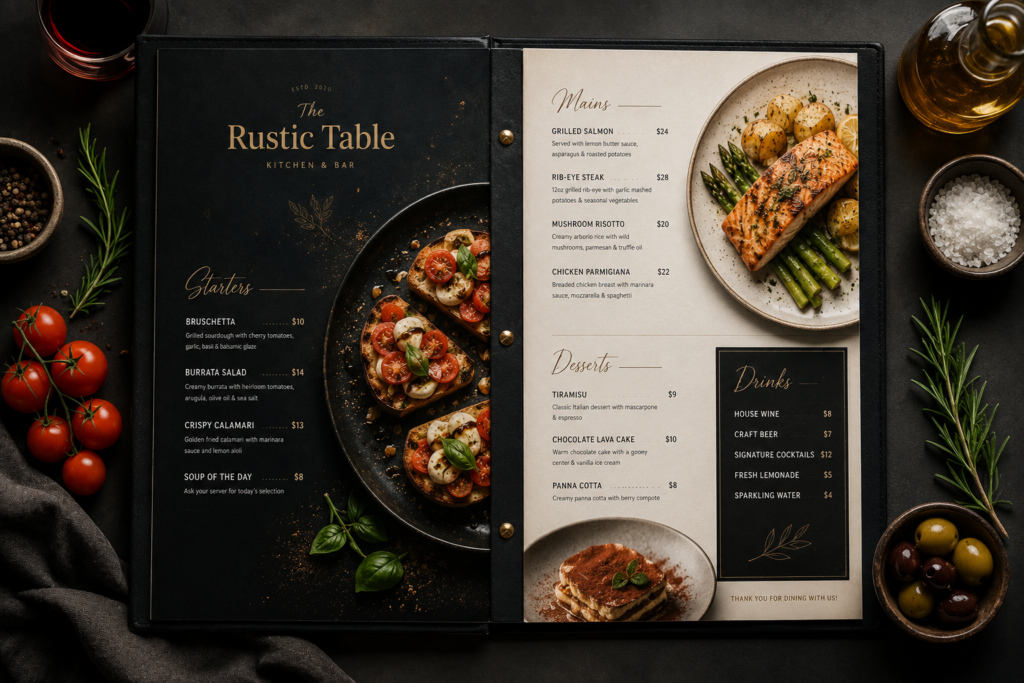
Print & Packaging Design
Includes business cards, packaging, magazines, and promotional materials that create a tangible brand presence.
Core Elements of Graphic Design
Every graphic design project is built using these key elements:
- Color – sets mood and brand personality
- Typography – affects readability and tone
- Images & Icons – visual storytelling
- Layout & Spacing – clarity and balance
- Consistency – builds brand trust
When these elements work together, the result is a strong, professional design that communicates clearly.
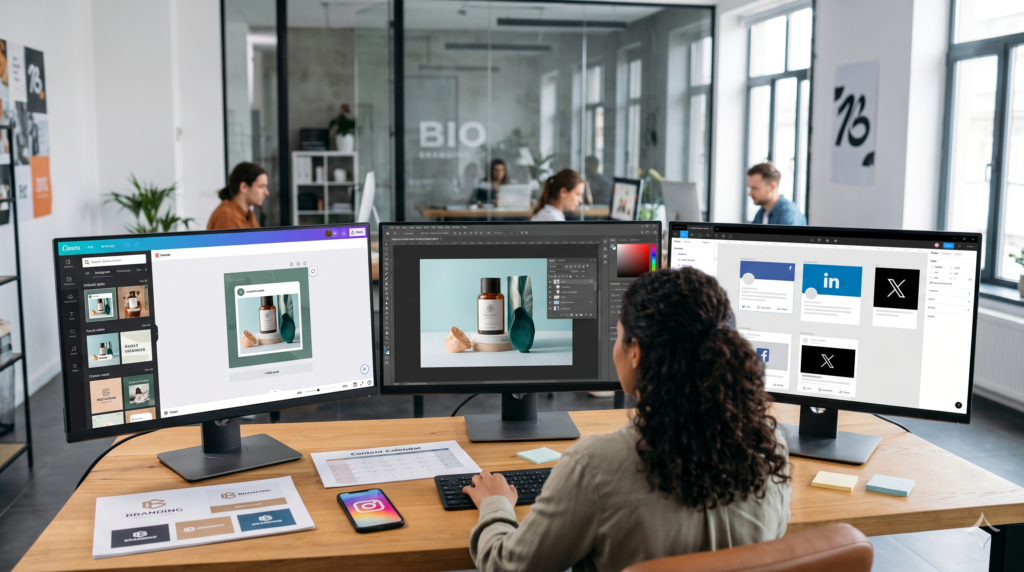
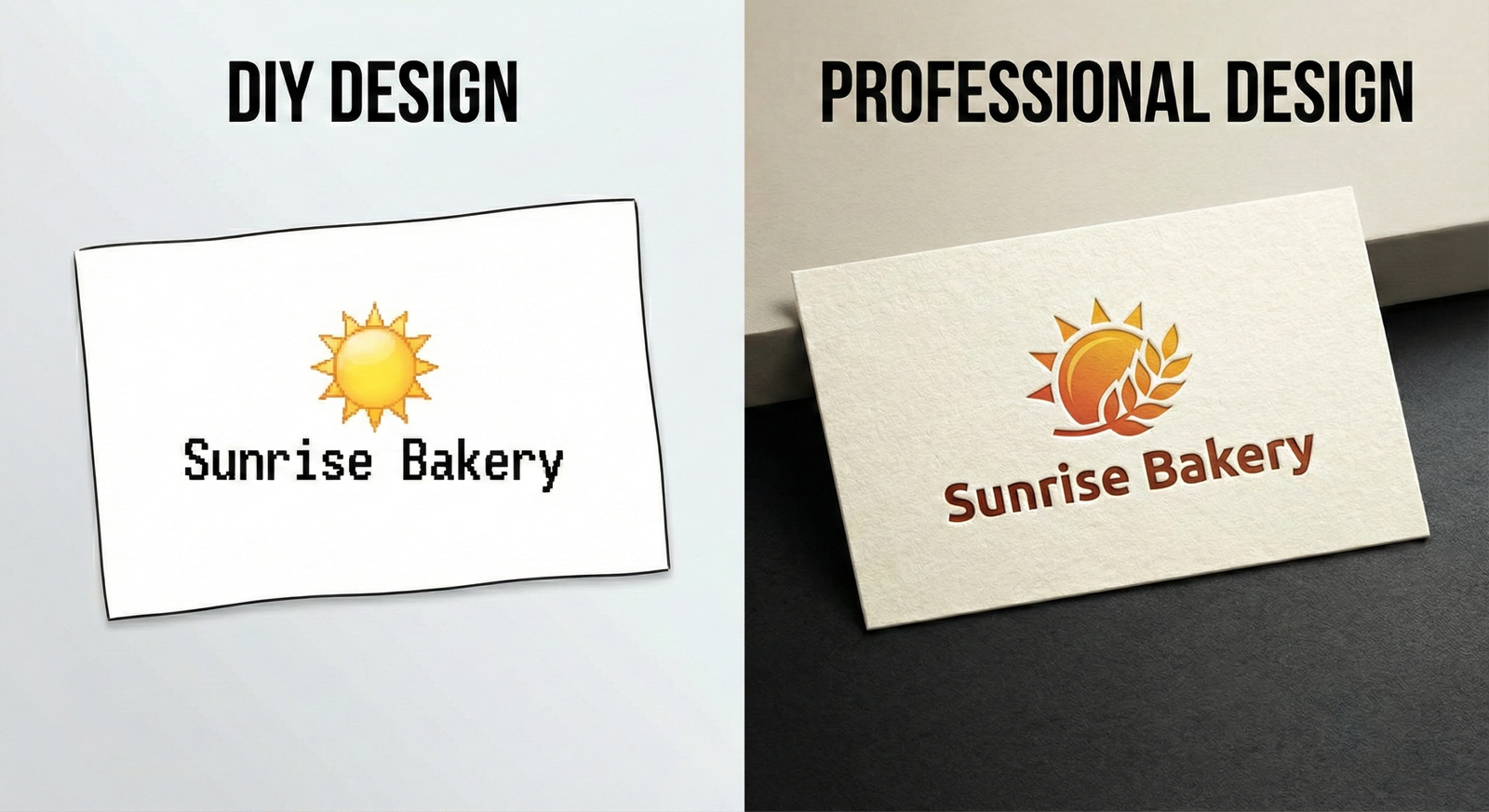
Graphic Design vs DIY Tools (Canva, Templates)
DIY tools like Canva are useful for beginners, but they have limitations:
| DIY Design | Professional Design |
|---|---|
| Generic templates | Custom brand visuals |
| Limited flexibility | Strategic design approach |
| Short-term use | Long-term brand growth |
For businesses aiming to scale, professional graphic designers deliver better consistency and ROI.
Internal Link:
Graphic Designing Cost in Pakistan & USA – 2026 Pricing Guide
(graphic design cost)
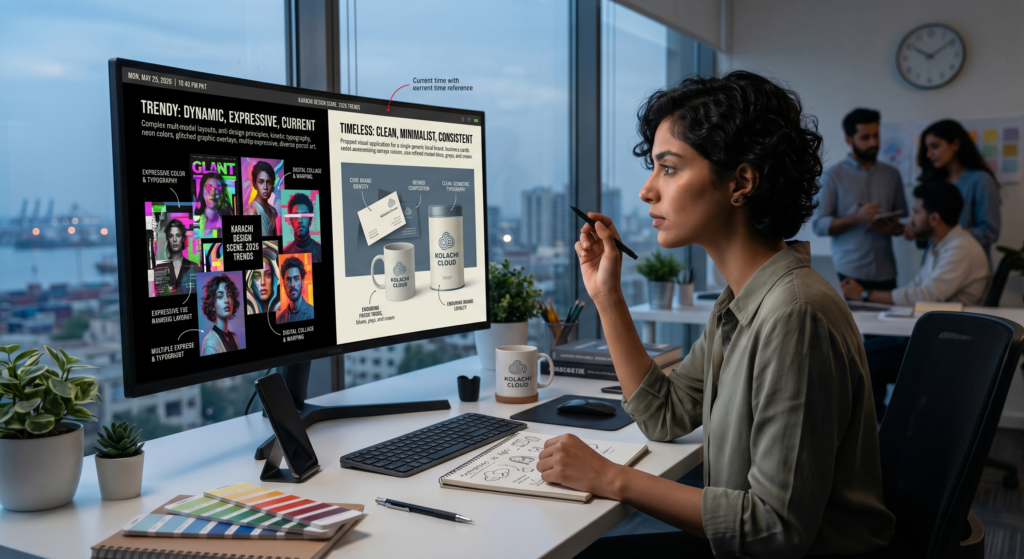
How Graphic Design Is Evolving in 2026
Graphic design trends now focus on:
- Minimal & clean layouts
- Motion graphics
- AI-assisted creativity
- Brand storytelling
Internal Link:
Graphic Design Trends Businesses Should Follow in 2026
(graphic design trends 2026)
Should Businesses Invest in Graphic Design?
Yes — graphic design is no longer optional.
Businesses that invest in quality design:
- Look more credible
- Convert more customers
- Stand out from competitors
- Build long-term brand value
External Authority Links:
- Wikipedia – Graphic Design (graphic design definition)
- Adobe – What Is Graphic Design? (professional graphic design)
FAQs
What is graphic design in simple words?
Graphic design is the process of creating visual content using images, colors, and text to communicate ideas clearly.
Why is graphic design important for businesses?
It helps businesses build trust, attract customers, and communicate their brand message effectively.
What are the main types of graphic design?
Logo design, branding, marketing design, UI/UX design, and print design.
Is professional graphic design worth the cost?
Yes, professional design improves brand credibility, conversions, and long-term growth.