
A beautiful website is useless if no one can find it. In today’s competitive digital space, SEO friendly website design is not optional — it’s essential. Search engines like Google don’t just rank content; they rank user experience, performance, and structure.
If you want your website to appear on Google, attract organic traffic, and convert visitors into customers, your website must be designed with SEO in mind from day one.
This guide explains the best practices for SEO-friendly website design and how businesses can use them to rank higher and grow faster.
What Is SEO-Friendly Website Design?
SEO-friendly website design means building a website that is easy for search engines to crawl and easy for users to navigate. It combines design, structure, speed, and content into one optimized system.
An SEO-friendly website includes:
- Fast loading speed
- Mobile responsiveness
- Clean URL structure
- Optimized images
- Proper heading hierarchy
- User-focused navigation
When these elements work together, Google rewards your website with better visibility and higher rankings.
Why SEO-Friendly Design Matters for Business
A website designed without SEO often struggles to get traffic, even with paid ads. On the other hand, SEO-friendly websites:
- Rank higher on Google
- Attract consistent organic traffic
- Improve user experience
- Increase conversion rates
- Reduce dependency on paid ads
If you want to understand how a website contributes to business growth, read our guide:
How a Professional Website Helps Grow Your Business
Best Practices for SEO-Friendly Website Design
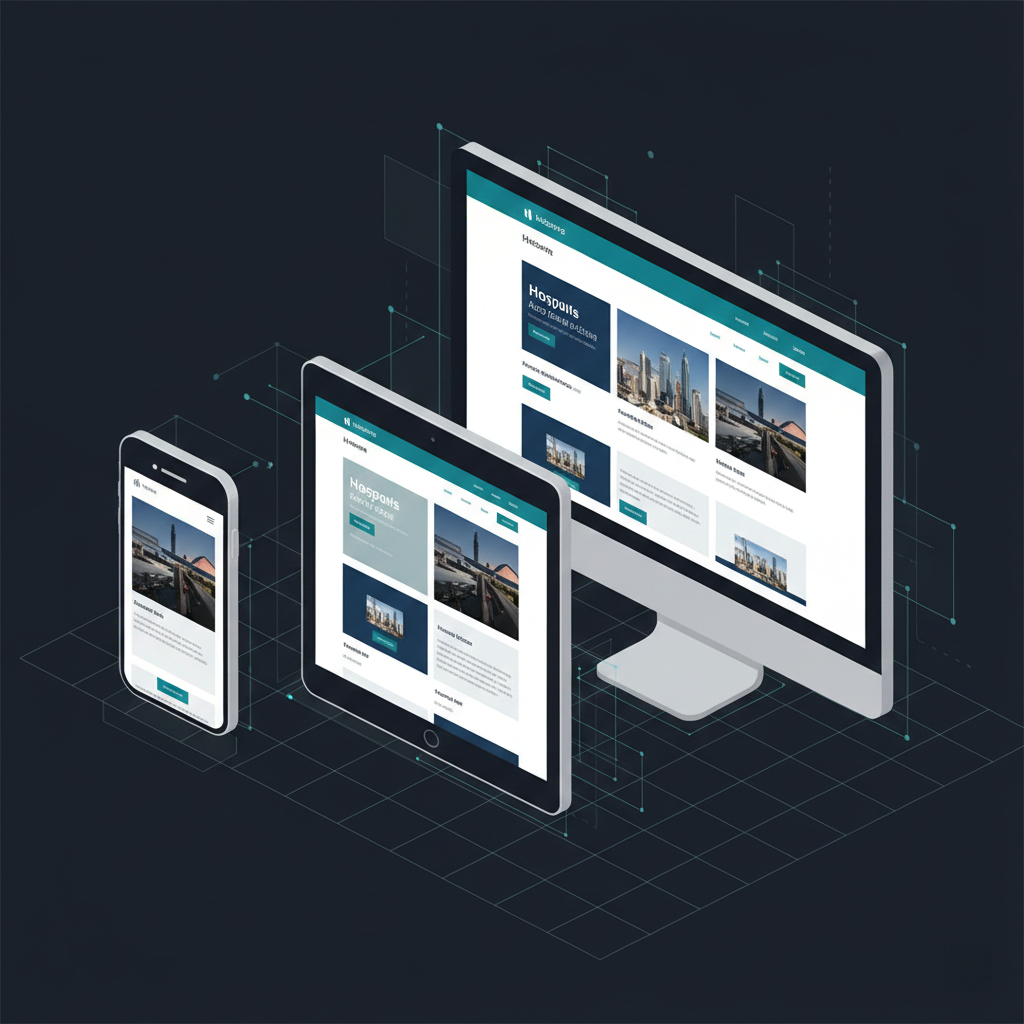
1. Mobile-First & Responsive Design
Google uses mobile-first indexing, meaning it evaluates your website’s mobile version before desktop.
Best practices:
- Responsive layouts
- Easy navigation on mobile
- Clickable buttons and readable text
A mobile-friendly website improves rankings and user engagement.
2. Website Speed Optimization
Slow websites lose visitors and rankings.
To improve speed:
- Optimize images
- Use caching and compression
- Minimize unnecessary scripts
- Choose reliable hosting
According to Google Web.dev, page speed directly affects user experience and SEO.
https://web.dev/fast/
3. Clean URL Structure
SEO-friendly URLs are:
- Short
- Descriptive
- Keyword-focused
Example:
/seo-friendly-website-design/
Avoid long, messy URLs with random numbers or symbols.
4. Proper Heading Structure (H1–H6)
Search engines use headings to understand content hierarchy.
Best practices:
- One H1 per page
- Use H2 for main sections
- Use H3 for sub-points
This improves both SEO and readability.
5. Optimized Images with ALT Text
Images should:
- Be compressed for speed
- Have descriptive ALT text
- Match the content context
Example ALT text:
seo friendly website design for business growth
This helps with image search rankings and accessibility.
6. Internal Linking Strategy
Internal linking strengthens SEO by passing authority between pages.
Your SEO-friendly design should link to:
- Related blog posts
- Core service pages
For example:
- Learn about pricing in our guide:
Website Development Cost in Pakistan & UAE - Compare platforms here:
WordPress vs Custom Website: Which One Should You Choose?
7. SEO-Friendly Navigation & UX
A clean navigation helps both users and search engines.
Best practices:
- Clear menu structure
- Fewer clicks to important pages
- Visible CTAs
Good UX reduces bounce rate and increases dwell time — strong SEO signals.
Common Website Design Mistakes That Hurt SEO
Many websites fail to rank due to simple mistakes:
- Slow loading pages
- Non-responsive design
- Poor internal linking
- Duplicate content
- Ignoring on-page SEO
Avoiding these mistakes saves you from costly redesigns later.
Why Choose Omocracy for SEO-Friendly Website Development?
At Omocracy, we build websites that are not just visually appealing but engineered for SEO, performance, and conversions.
Our professional website development services include:
- SEO-friendly design structure
- Mobile-first development
- Speed optimization
- Conversion-focused layouts
Explore our Website Development Services
Trusted Resources & References
- Google Website Performance Guidelines: https://web.dev/fast/
- SEO & UX insights by HubSpot: https://blog.hubspot.com/marketing/seo
- Digital optimization tools & strategies: https://omoadware.com
FAQ’s
What is SEO-friendly website design?
SEO-friendly website design means creating a website that is easy for both search engines and users to navigate. It includes fast loading speed, mobile responsiveness, clean URLs, optimized images, proper heading structure, and user-focused navigation for better rankings and user experience.
Why is SEO-friendly design important for business growth?
A well-designed SEO-friendly website attracts organic traffic, improves user experience, increases conversion rates, and reduces reliance on paid ads. Websites without SEO-friendly design often struggle to rank on Google, even with high-quality content or advertising.
What are the best practices for SEO-friendly website design?
Key practices include mobile-first responsive design, fast page speed, clean URL structure, proper heading hierarchy, optimized images with ALT text, internal linking strategy, and user-friendly navigation. Following these ensures higher rankings and better user engagement.
How does internal linking improve SEO on a website?
Internal linking connects related pages and passes SEO authority across your website. It helps search engines crawl your site efficiently, improves user navigation, and boosts rankings by signaling important pages and content hierarchy.